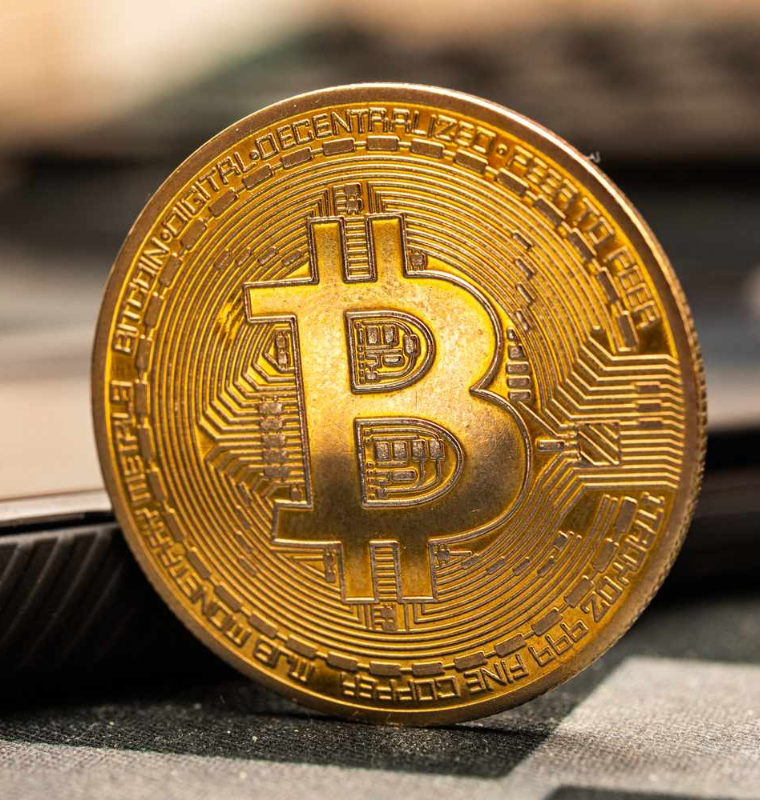
Bitcoin Holds Near Seventy Thousand as Investors Await Critical Inflation Data

Bitcoin Holds Near Seventy Thousand as Investors Await Critical Inflation Data
By
Calder Monroe
Last updated:
March 24, 2026
First Published:
March 24, 2026

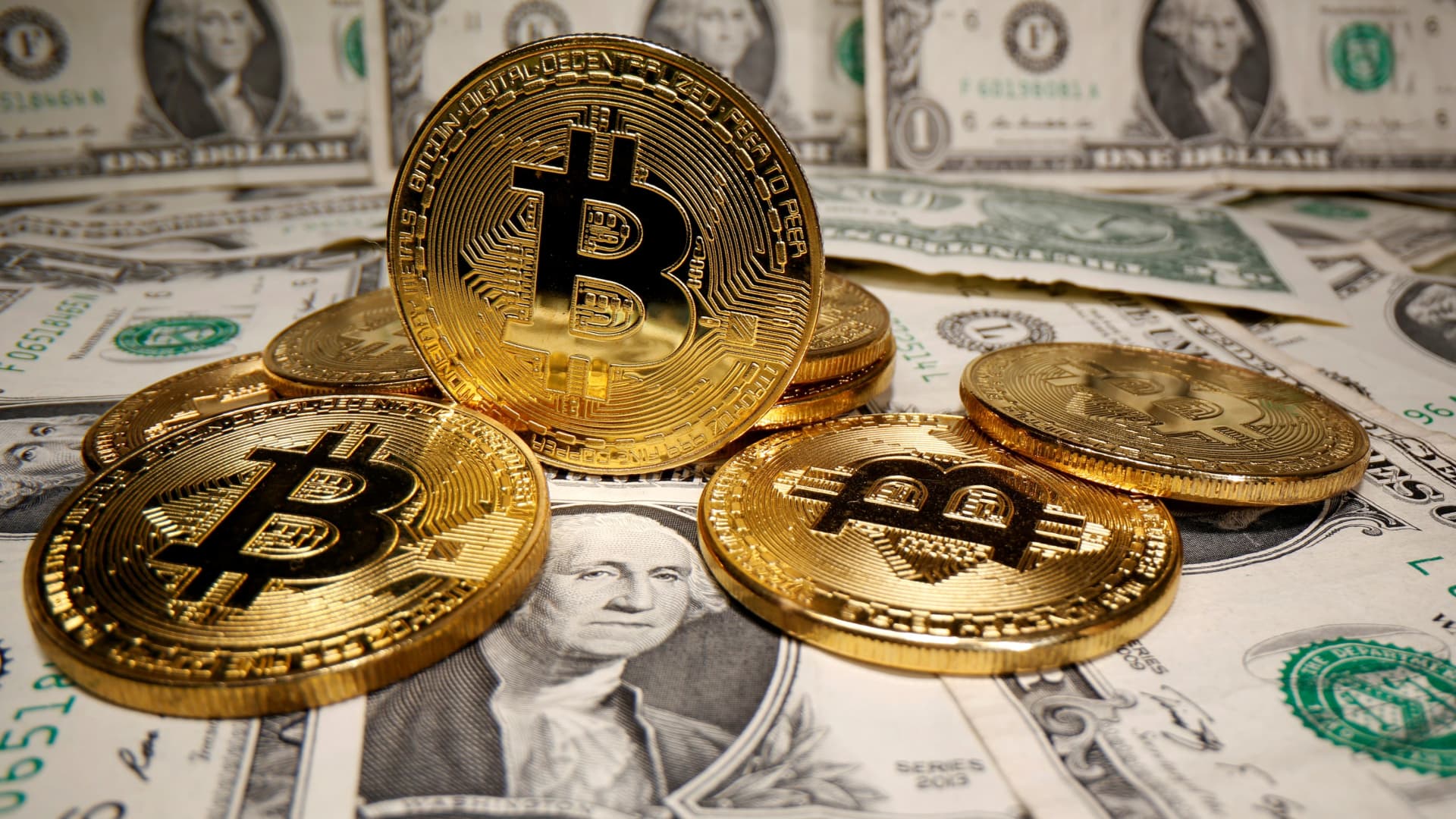
Photo: CNBC
The cryptocurrency market is currently navigating a tense period as Bitcoin hovers near the seventy thousand level, reflecting a balance between cautious optimism and underlying uncertainty. On March 25, 2026, traders and investors are closely monitoring upcoming inflation data, which is expected to play a decisive role in shaping short term market direction. This phase highlights how deeply interconnected crypto has become with traditional economic indicators.
A Market in Waiting Mode
Unlike the sharp movements seen in previous sessions, the current environment is defined by hesitation. Bitcoin’s price action suggests that both buyers and sellers are waiting for clearer signals before committing to large positions. This pause in momentum often precedes significant volatility, as pent up energy in the market eventually leads to decisive moves in either direction.
Inflation Data Takes Center Stage
Inflation remains one of the most influential factors affecting global financial markets. For cryptocurrency investors, it holds particular importance because it directly impacts central bank policies. If inflation data comes in higher than expected, it could reinforce the case for prolonged tight monetary conditions, which typically puts pressure on risk assets like Bitcoin.
Interest Rate Expectations Shape Behavior
Closely tied to inflation is the outlook for interest rates. Investors are increasingly focused on how central banks will respond to economic data. Higher rates tend to reduce liquidity in the system, making speculative investments less attractive. This dynamic is evident in the cautious positioning seen across crypto markets, where traders are avoiding excessive risk ahead of major announcements.
Volatility Beneath the Surface
Although Bitcoin appears relatively stable near the seventy thousand mark, underlying volatility remains significant. Small price movements are triggering large reactions in derivatives markets, indicating that leverage is still a major factor. This hidden instability suggests that the market could experience rapid swings once new information becomes available.
Institutional Players Remain Active
Institutional investors continue to influence market dynamics, even during periods of uncertainty. Their strategies often involve adjusting exposure based on macroeconomic forecasts rather than short term price movements. As inflation data approaches, many institutions are likely rebalancing portfolios to manage potential risks, contributing to the current state of equilibrium.
Retail Investors Show Mixed Sentiment
Retail participation presents a mixed picture. Some traders are taking advantage of the sideways movement to engage in short term trading strategies, while others are stepping back to avoid unpredictability. This divergence in behavior reflects the broader uncertainty surrounding the market’s next move.
Technical Indicators Suggest a निर्णायक Moment
From a technical standpoint, Bitcoin’s consolidation near a major price level is often a precursor to a breakout or breakdown. Key resistance and support zones are being tested repeatedly, indicating that the market is building pressure. Analysts are closely watching volume patterns and momentum indicators to identify potential الاتجاه changes.
Global Events Add to Market Complexity
Beyond economic data, geopolitical developments continue to add layers of complexity. Global tensions and shifts in energy markets can influence investor sentiment, indirectly affecting crypto prices. These external variables make it increasingly challenging to predict market behavior with precision.
Strategic Opportunities for Investors
Periods of uncertainty can present strategic opportunities for disciplined investors. Accumulating assets during consolidation phases has historically been a common approach among long term participants. However, such strategies require patience and a strong understanding of risk management, particularly in a volatile asset class like cryptocurrency.
What Comes Next for Bitcoin
As the market awaits crucial inflation data, the next move for Bitcoin remains uncertain but highly anticipated. A positive economic signal could reignite bullish momentum, while unfavorable data might trigger renewed selling pressure. In either case, volatility is expected to increase, making this a pivotal moment for the market.
Ultimately, this phase underscores the evolving nature of cryptocurrency as an asset class. No longer isolated from global financial systems, Bitcoin now responds to the same economic forces that drive traditional markets. For investors, staying informed and adaptable is essential in navigating this increasingly complex landscape.

Popular articles



Subscribe to unlock premium content
Disney’s Timeless Magic and How the Entertainment Giant Continues to Shape Culture and Innovation

Imran Khan’s Economic Missteps Amid Political Chaos in Pakistan

The Philippines’ Digital Shift How Remittances and BPO Are Fueling Growth

Disney’s Timeless Magic and How the Entertainment Giant Continues to Shape Culture and Innovation
Imran Khan’s Economic Missteps Amid Political Chaos in Pakistan
Disney’s Timeless Magic and How the Entertainment Giant Continues to Shape Culture and Innovation