

Nearly Half of All Bitcoin Holdings Now Underwater
By
Leah Rosenfeld
Last updated:
March 30, 2026
First Published:
March 30, 2026

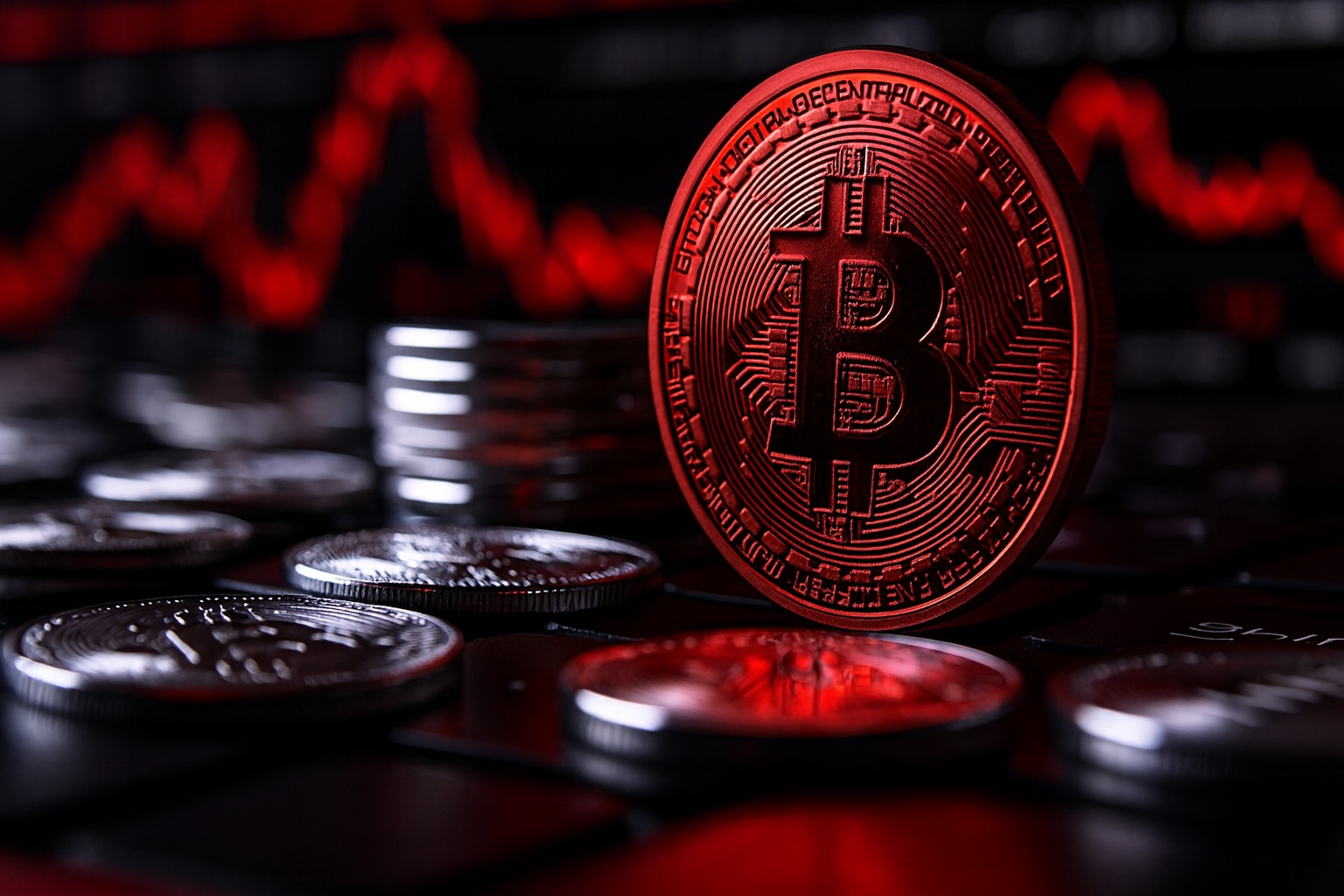
Photo: CoinMarketCap
Recent data reveals that nearly half of all Bitcoin holdings are currently underwater, meaning investors purchased their coins at prices higher than the current market value. This phenomenon is affecting long-term holders and raising questions about the resilience of cryptocurrency portfolios during volatile periods.
The concept of underwater holdings highlights the challenges faced by investors in the cryptocurrency market. While some traders experience gains through strategic timing, others are facing unrealized losses as prices fluctuate. Long-term holders are particularly impacted because their entry points were often during periods of significant optimism.
Market analysts point out that being underwater is not inherently negative. Many experienced investors view temporary losses as part of the long-term investment cycle. Holding through market volatility can result in eventual gains, especially for assets like Bitcoin that have historically recovered after downturns.
The psychology of investors plays a crucial role in market dynamics. When a substantial portion of holdings is underwater, sentiment can shift between fear and hope. Some investors may sell to minimize losses, while others use the dip as an opportunity to accumulate additional coins at lower prices, reinforcing accumulation patterns.
Institutional involvement has been significant in moderating these trends. Large-scale investors with diversified portfolios are less likely to panic sell, providing stability to the market. Their continued participation signals confidence in the long-term viability of Bitcoin, despite temporary underwater positions.
Retail investors, however, are more susceptible to emotional reactions. Social media forums and trading communities report debates about whether to hold or sell during this period. Education and awareness about market cycles are critical for helping individual investors make rational decisions rather than impulsive ones.
Global economic conditions contribute to the current scenario. Interest rate changes, inflation concerns, and geopolitical tensions can influence the willingness of investors to commit additional capital. Cryptocurrencies are becoming increasingly sensitive to macroeconomic events, reflecting their growing integration with broader financial markets.
Technological factors also play a role in investor confidence. Bitcoin’s blockchain infrastructure continues to evolve, providing enhanced security, faster transactions, and more reliable network performance. These improvements reassure holders that their assets remain protected, even when market prices temporarily dip.
The prevalence of underwater holdings may also encourage innovative financial strategies. Investors are exploring options such as staking, lending, and other decentralized finance tools to generate passive returns while waiting for market recovery. These approaches can mitigate losses and create additional value in a volatile environment.
In conclusion, nearly half of Bitcoin holdings being underwater underscores the inherent volatility of the cryptocurrency market. While long-term investors face temporary losses, market resilience, institutional support, and technological progress provide reasons for optimism. Understanding market psychology and employing strategic approaches can help investors navigate this challenging but potentially rewarding environment.

Popular articles



Subscribe to unlock premium content
Disney’s Timeless Magic and How the Entertainment Giant Continues to Shape Culture and Innovation

Imran Khan’s Economic Missteps Amid Political Chaos in Pakistan

The Philippines’ Digital Shift How Remittances and BPO Are Fueling Growth

Disney’s Timeless Magic and How the Entertainment Giant Continues to Shape Culture and Innovation
Imran Khan’s Economic Missteps Amid Political Chaos in Pakistan
Disney’s Timeless Magic and How the Entertainment Giant Continues to Shape Culture and Innovation