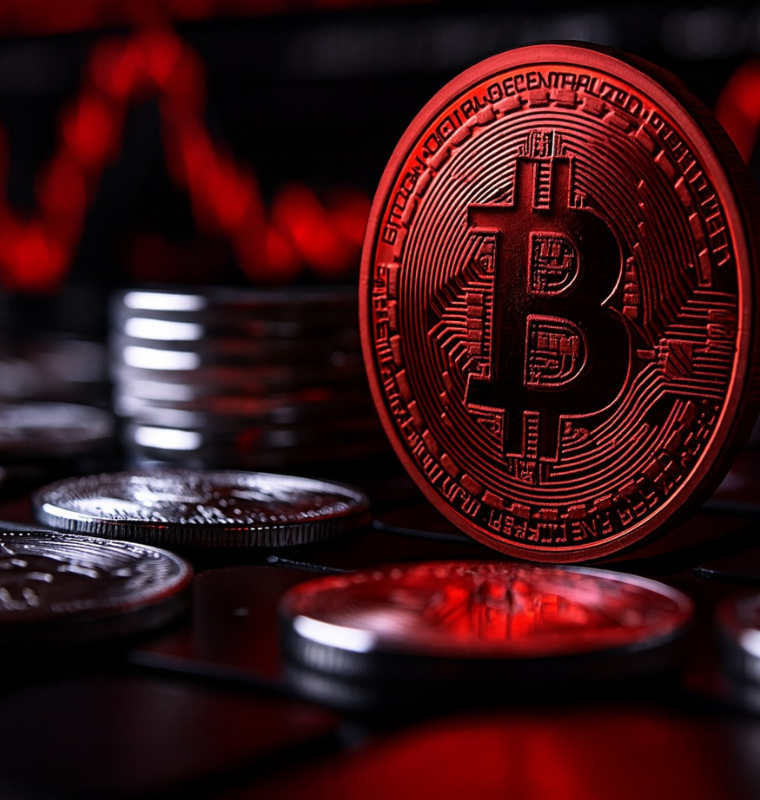
FTX Creditor Payouts Create Pressure on Crypto Market Supply
By
Rachel Steinberg
Last updated:
March 30, 2026
First Published:
March 30, 2026

Getty Images
The cryptocurrency market is facing renewed pressure as FTX creditor payouts totaling over two point two billion dollars are being processed. These settlements have significant implications for the overall supply of digital assets and the behavior of investors, both retail and institutional.
The release of such a substantial amount of capital into the market creates ripple effects. Investors who receive payouts may choose to reinvest, hold, or liquidate their assets. Each of these choices has the potential to influence trading volumes and price movements, making the market more sensitive to shifts in investor sentiment.
Institutional investors are carefully analyzing the situation. Large financial entities are evaluating whether to absorb the additional supply into their portfolios or take advantage of short-term price fluctuations. Their actions often set the tone for broader market behavior and influence how other investors respond.
Retail investors are also monitoring developments closely. News of significant payouts can trigger varied responses, ranging from optimism about potential reinvestment to caution due to fear of oversupply. These reactions are reflected in trading activity across major cryptocurrency exchanges.
Market analysts suggest that while the influx of assets may create temporary downward pressure, it also presents opportunities. Investors who strategically acquire digital assets during periods of heightened supply may position themselves for gains when the market stabilizes and demand resumes.
The FTX payouts also highlight the interconnectedness of the cryptocurrency ecosystem. Events affecting one major platform can have wide-reaching consequences across multiple exchanges and trading venues. This emphasizes the importance of diversification and careful risk management for all participants.
Global economic factors further compound the impact. Interest rates, inflation trends, and geopolitical developments influence investor decisions alongside the FTX payouts. Cryptocurrencies, though decentralized, are increasingly sensitive to these macroeconomic conditions, reflecting the maturity of the market.
Technological infrastructure supports the absorption of these assets without causing systemic disruptions. Blockchain networks are equipped to handle high transaction volumes efficiently, ensuring that the market can process significant movements of funds while maintaining security and transparency.
Psychological factors also play a role. Investors must navigate the tension between fear of oversupply and the potential for strategic accumulation. Understanding these dynamics allows traders to make more informed decisions and reduces the likelihood of panic-driven market swings.
In conclusion, the FTX creditor payouts totaling over two point two billion dollars have created notable pressure on the cryptocurrency market. While the immediate effect may involve fluctuations in supply and pricing, strategic investors who understand market dynamics and maintain long-term perspectives can capitalize on emerging opportunities. The event underscores the importance of careful analysis, risk management, and awareness of both technological and economic factors in navigating the cryptocurrency landscape.

Popular articles



Subscribe to unlock premium content
Disney’s Timeless Magic and How the Entertainment Giant Continues to Shape Culture and Innovation

Imran Khan’s Economic Missteps Amid Political Chaos in Pakistan

The Philippines’ Digital Shift How Remittances and BPO Are Fueling Growth

Disney’s Timeless Magic and How the Entertainment Giant Continues to Shape Culture and Innovation
Imran Khan’s Economic Missteps Amid Political Chaos in Pakistan
Disney’s Timeless Magic and How the Entertainment Giant Continues to Shape Culture and Innovation