Meta Expands Crypto Push with USDC Payouts for Creators in Emerging Markets

Meta Expands Crypto Push with USDC Payouts for Creators in Emerging Markets
By
Rachel Steinberg
Last updated:
April 29, 2026
First Published:
April 29, 2026


Getty Images
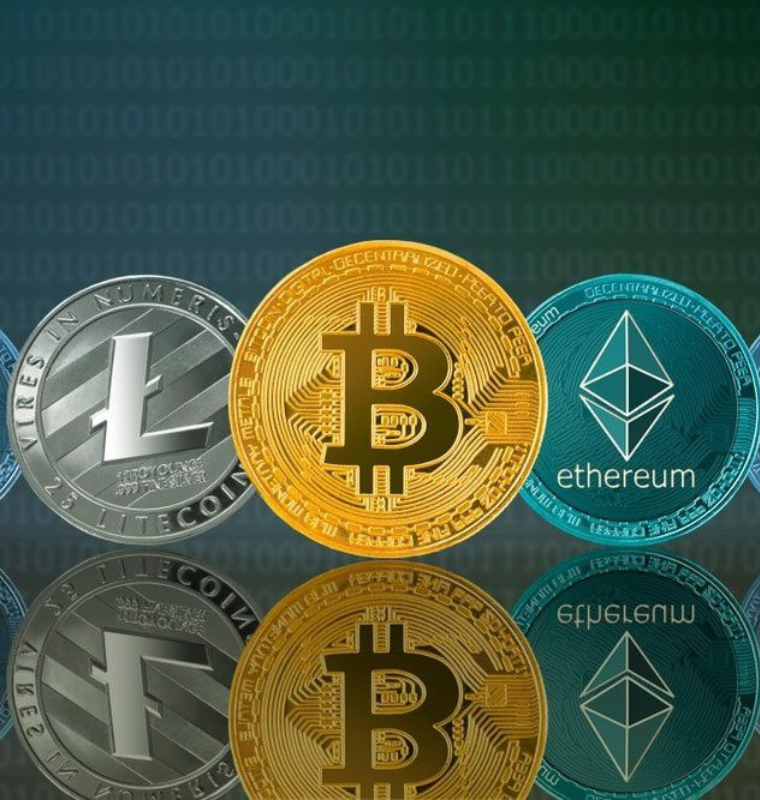
The global digital economy is witnessing a notable shift as Meta accelerates its integration of cryptocurrency based payment systems, introducing USDC payouts for content creators in selected emerging markets. This development marks a significant step in the company’s evolving financial infrastructure strategy, which increasingly blends social media monetization with digital asset settlement mechanisms.
At the center of this initiative is the stablecoin USDC, which is being used as a direct payout method for eligible creators. The goal is to streamline cross border payments, reduce transaction friction, and provide faster access to earnings for users operating in regions where traditional banking systems may be less efficient. This approach reflects a broader trend of leveraging digital currencies to improve financial accessibility.
The rollout initially focuses on markets such as Colombia and the Philippines, where creator economies have grown rapidly in recent years. These regions represent strong engagement bases for short form video, digital content creation, and influencer driven monetization models. By introducing stablecoin payouts, Meta aims to address long standing challenges related to payment delays and currency conversion inefficiencies.
For many creators, the shift to USDC based payouts introduces a new level of financial flexibility. Earnings can be received more quickly and potentially used across digital platforms without the delays associated with conventional banking transfers. This is particularly relevant for freelancers and independent creators who rely on consistent cash flow from multiple content streams.
The decision also reflects Meta’s broader strategy of expanding its role in digital commerce infrastructure. Rather than functioning solely as a social networking platform, the company is increasingly positioning itself as a facilitator of financial interactions within its ecosystem. This includes advertising revenue distribution, creator monetization tools, and now blockchain enabled payout systems.
Industry analysts view this move as part of a wider convergence between social media platforms and decentralized financial technologies. As digital economies mature, platforms are exploring ways to reduce reliance on traditional financial intermediaries. Stablecoins offer a bridge between conventional currency systems and blockchain based settlement layers, making them an attractive option for global payouts.
However, the initiative also introduces regulatory considerations. Digital asset based payments must comply with local financial regulations, anti money laundering frameworks, and cross border transaction rules. Meta is expected to work closely with regulatory authorities in each participating region to ensure compliance and operational transparency.
User adoption will play a critical role in determining the success of this rollout. While many creators are open to faster and more efficient payment systems, others may be cautious about receiving earnings in digital assets. Education and onboarding processes will therefore be essential in helping users understand how to manage and utilize stablecoin based funds effectively.
Another important factor is volatility perception, even though USDC is designed to maintain a stable value relative to traditional currencies. Trust in digital financial instruments remains a key barrier in some regions, particularly where familiarity with cryptocurrency systems is still developing. Meta will need to address these concerns through clear communication and user support mechanisms.
From a technological perspective, integrating stablecoin payouts into a large scale social platform requires robust infrastructure. Transaction processing, wallet integration, security protocols, and compliance monitoring must all operate seamlessly to ensure reliability. Any disruption in payment systems could significantly impact creator trust and platform engagement.
This development also highlights the growing importance of creator economies in shaping the future of digital platforms. As more individuals rely on online content creation as a primary income source, payment efficiency becomes a central component of platform competitiveness. Companies that can offer faster and more flexible monetization systems are likely to attract stronger creator ecosystems.
In conclusion, Meta’s introduction of USDC payouts represents a strategic evolution in how digital platforms approach global payments. By combining social media infrastructure with stablecoin technology, the company is positioning itself at the intersection of content creation and financial innovation. The success of this initiative will depend on regulatory alignment, user adoption, and the overall stability of the digital payment ecosystem in emerging markets.

Popular articles



Subscribe to unlock premium content
Imran Khan’s Economic Missteps Amid Political Chaos in Pakistan

The Philippines’ Digital Shift How Remittances and BPO Are Fueling Growth

Is the Era of Globalization Over or Just Evolving?
Imran Khan’s Economic Missteps Amid Political Chaos in Pakistan
The Philippines’ Digital Shift How Remittances and BPO Are Fueling Growth
Imran Khan’s Economic Missteps Amid Political Chaos in Pakistan