Czech Central Bank Signals Openness to Bitcoin in National Reserves Strategy

Czech Central Bank Signals Openness to Bitcoin in National Reserves Strategy
By
Augusta Parker
Last updated:
April 29, 2026
First Published:
April 29, 2026


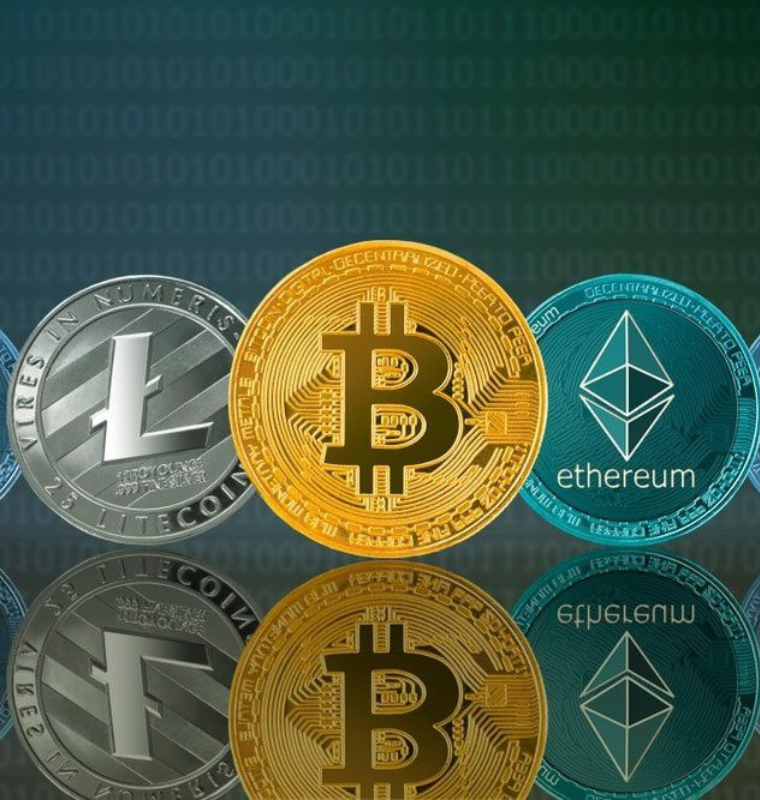
The global financial landscape is experiencing a notable shift as the leadership of the Czech National Bank expresses support for exploring Bitcoin as part of sovereign reserve strategies. This position reflects a broader reassessment of how digital assets may fit within traditional macroeconomic frameworks.
At the center of this discussion is Bitcoin, which continues to gain attention as both a speculative asset and a potential store of value. The idea of incorporating it into national reserves signals a growing willingness among some policymakers to reconsider long standing assumptions about reserve composition.
Historically, central bank reserves have been dominated by foreign currencies such as the US dollar and euro, along with gold as a stable hedge asset. The suggestion that Bitcoin could complement these holdings represents a significant conceptual shift. It highlights an evolving perception of digital assets within sovereign financial planning.
Supporters of this approach argue that Bitcoin offers diversification benefits due to its low correlation with traditional asset classes. In times of currency volatility or geopolitical uncertainty, alternative reserve assets can provide additional layers of financial resilience. This argument has gained traction among certain monetary policy thinkers in recent years.
However, the proposal also introduces important concerns regarding volatility. Bitcoin is known for sharp price fluctuations, which raises questions about its suitability as a reserve asset that typically prioritizes stability and liquidity. Critics argue that such volatility could complicate balance sheet management for central banks.
Another key issue is regulatory clarity. While Bitcoin operates on a decentralized network, its integration into sovereign reserves would require clear legal and operational frameworks. Central banks would need to establish custody solutions, risk controls, and accounting standards that align with existing financial regulations.
Despite these challenges, the discussion itself signals a broader normalization of digital assets within mainstream financial institutions. What was once considered a fringe concept is now being evaluated at the highest levels of monetary policy. This shift reflects the increasing maturity of the cryptocurrency ecosystem.
Market participants have responded to the comments with cautious interest. While no immediate policy changes have been implemented, the acknowledgment from a central banking authority adds symbolic weight to ongoing debates about the role of Bitcoin in global finance. Symbolic endorsements often influence long term investor sentiment.
Institutional investors are particularly attentive to such developments. Sovereign interest in Bitcoin can be interpreted as a signal of long term legitimacy, potentially encouraging broader adoption across pension funds, asset managers, and other large scale capital allocators. This dynamic reinforces Bitcoin’s position within the macro financial system.
The discussion also highlights differences in global policy approaches. Some countries remain highly restrictive toward digital assets, while others are actively exploring integration into financial infrastructure. The position expressed by the Czech monetary authority places it closer to the experimental end of this spectrum.
Risk management remains a central theme in the debate. Even proponents of Bitcoin reserves acknowledge the need for strict allocation limits and careful portfolio balancing. Any exposure would likely represent a small percentage of total reserves, designed to capture upside potential while limiting downside risk.
Technological considerations also play a role in this discussion. Secure custody solutions, institutional grade wallets, and advanced monitoring systems would be required to manage sovereign holdings of digital assets. These infrastructure components are increasingly available but still evolving in terms of global standards.
In conclusion, the openness expressed by the Czech central banking authority toward Bitcoin reserves marks an important moment in the ongoing evolution of global monetary thinking. While significant barriers remain, the conversation itself reflects a gradual shift in how digital assets are perceived within the highest levels of financial governance.
Popular articles



Subscribe to unlock premium content
Imran Khan’s Economic Missteps Amid Political Chaos in Pakistan

The Philippines’ Digital Shift How Remittances and BPO Are Fueling Growth

Is the Era of Globalization Over or Just Evolving?
Imran Khan’s Economic Missteps Amid Political Chaos in Pakistan
The Philippines’ Digital Shift How Remittances and BPO Are Fueling Growth
Imran Khan’s Economic Missteps Amid Political Chaos in Pakistan