
Institutional Demand and Crypto ETFs Continue to Shape Market Sentiment Despite Volatility

Institutional Demand and Crypto ETFs Continue to Shape Market Sentiment Despite Volatility
By
Leah Rosenfeld
Last updated:
December 10, 2025
First Published:
December 10, 2025


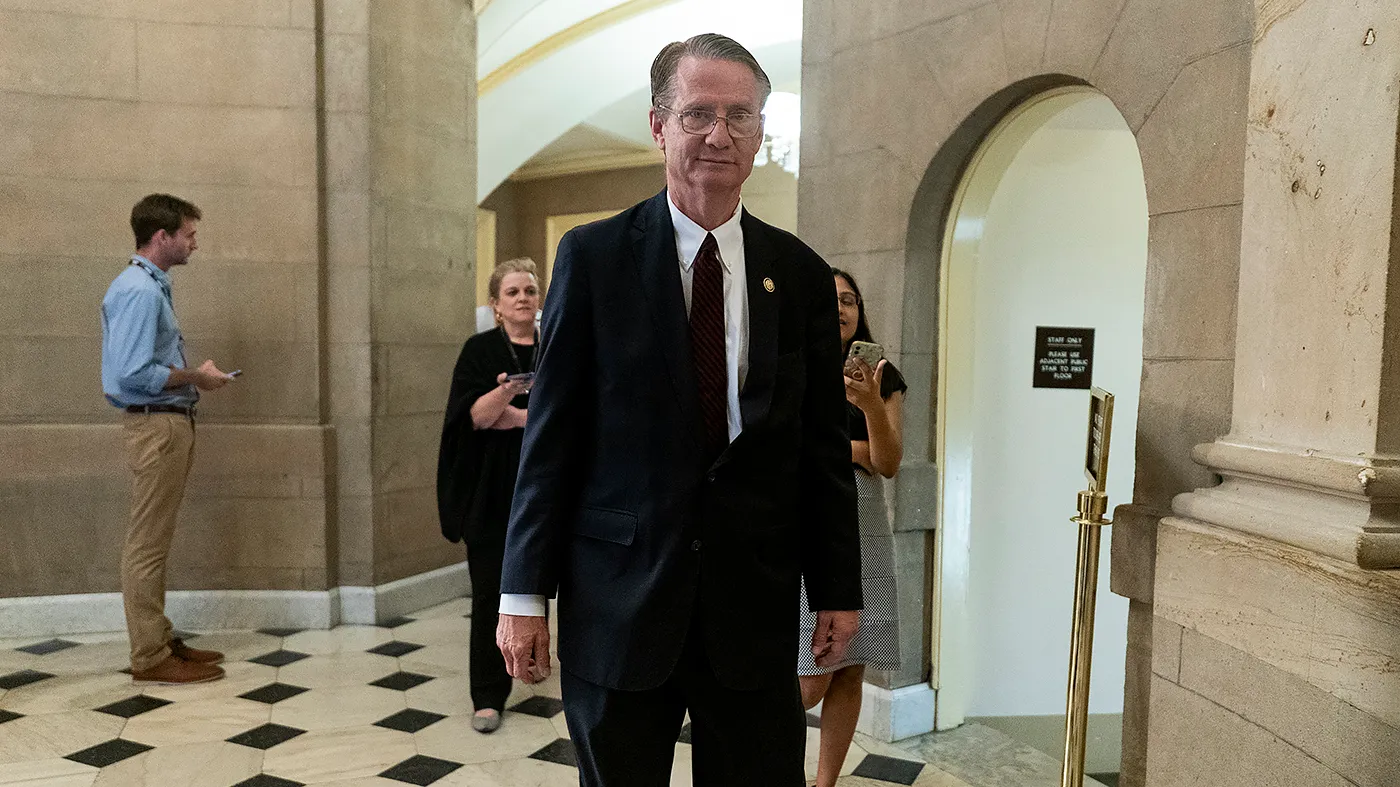
Photo: Wealth Management
Ongoing Institutional Interest in Digital Assets
Despite periods of market turbulence, institutional investors continue to demonstrate significant interest in cryptocurrency. The growth of crypto exchange traded funds and other structured investment vehicles has provided institutions with safer avenues to access digital assets. This development reinforces the perception of cryptocurrencies as increasingly mainstream financial instruments.
Volatility and Market Response
Recent fluctuations in Bitcoin and Ethereum have underscored the market’s sensitivity to macroeconomic factors. Interest rate decisions, inflation data, and global economic indicators continue to influence investor behavior. While retail sentiment remains reactive, institutions tend to focus on long term strategies and risk management frameworks that can withstand temporary volatility.
Crypto ETFs Gain Traction
Exchange traded funds tied to cryptocurrency have emerged as a preferred channel for institutional exposure. These ETFs offer regulated access to digital assets, reducing counterparty and custody risks. Their growing adoption signals a maturation of the market and aligns digital assets with more traditional investment vehicles.
Role of Risk Management in Investment Strategies
Institutional investors emphasize robust risk management in digital asset portfolios. Diversification, position sizing, and hedging strategies are key components of their approach. The presence of sophisticated risk protocols allows these investors to maintain exposure even amid significant price swings, contributing to market stability.
Correlation With Broader Financial Markets
Analysis indicates a growing correlation between cryptocurrency performance and traditional financial markets. Events that affect equities or bond yields often have a pronounced impact on crypto valuations. Institutions monitor these correlations closely to align digital asset exposure with overall portfolio objectives and macroeconomic outlooks.
Long Term Adoption Trends Remain Positive
Despite short term uncertainty, the structural growth of digital assets continues. Institutional inflows, corporate adoption, and technological improvements in blockchain infrastructure support a positive long term narrative. Analysts note that these fundamentals differentiate cryptocurrencies from purely speculative instruments.
Investor Sentiment and Market Psychology
Sentiment metrics reveal that market psychology is evolving as participants gain more experience with digital assets. Institutions contribute to more rational pricing by integrating data analysis, historical trends, and macroeconomic insights. This contrasts with retail behavior, which often amplifies volatility during periods of uncertainty.
Regulatory Developments Influence Market Perceptions
Ongoing regulatory updates affect both investor confidence and market access. Clarity regarding legal frameworks for crypto ETFs, custodial solutions, and reporting obligations is central to institutional adoption. Positive regulatory signals tend to attract capital, while uncertainty can lead to short term adjustments in positioning.
Strategic Positioning for Future Growth
Institutions are increasingly positioning themselves for long term engagement with digital assets. Strategic partnerships, product development, and market research inform decision making. These actions help firms navigate volatility while taking advantage of opportunities presented by the growing adoption of cryptocurrencies.
Digital Assets as a Risk Asset Tied to Macro Conditions
The ongoing participation of institutional investors and the growth of regulated investment vehicles underscore the evolving nature of cryptocurrency markets. While volatility remains a factor, digital assets are increasingly integrated into broader financial systems. Their trajectory will likely continue to reflect macroeconomic developments, investment sentiment, and the maturation of the ecosystem.
Popular articles



Subscribe to unlock premium content
Disney’s Timeless Magic and How the Entertainment Giant Continues to Shape Culture and Innovation

Imran Khan’s Economic Missteps Amid Political Chaos in Pakistan

The Philippines’ Digital Shift How Remittances and BPO Are Fueling Growth

Disney’s Timeless Magic and How the Entertainment Giant Continues to Shape Culture and Innovation
Imran Khan’s Economic Missteps Amid Political Chaos in Pakistan
Disney’s Timeless Magic and How the Entertainment Giant Continues to Shape Culture and Innovation