Institutional Buyers Re Enter Bitcoin as Liquidity and Network Strength Reach New Highs

Institutional Buyers Re Enter Bitcoin as Liquidity and Network Strength Reach New Highs
By
Calder Monroe
Last updated:
December 28, 2025
First Published:
December 28, 2025


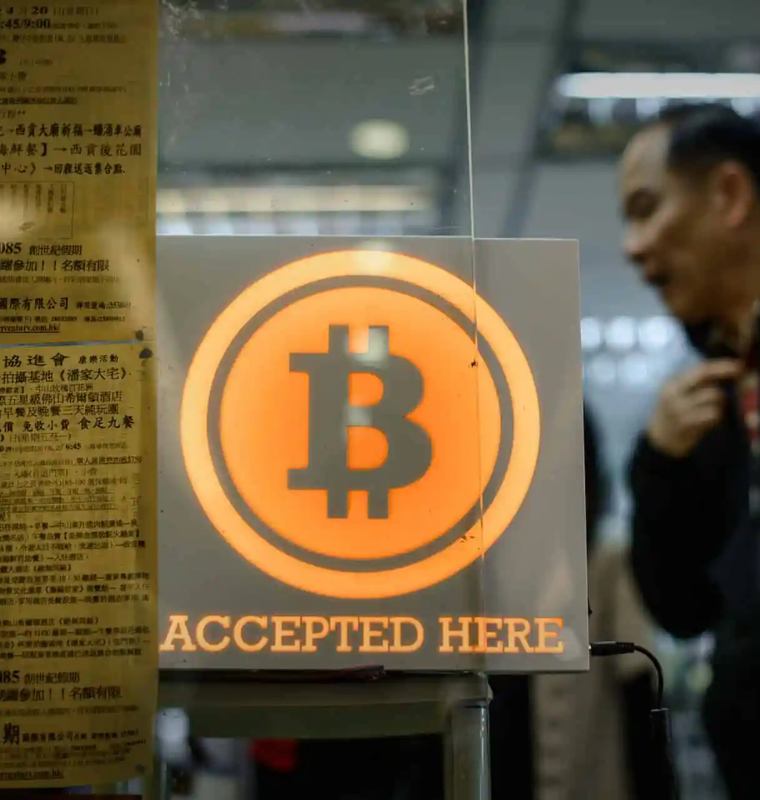
Photo: Bankrate
A Shift in Institutional Sentiment
Bitcoin is witnessing a notable transformation as institutional buyers return to the market with renewed intent. After a prolonged phase of caution driven by regulatory uncertainty and macroeconomic tightening, large financial entities are once again allocating capital into Bitcoin. This shift signals a recalibration of risk appetite and a growing belief that Bitcoin has entered a more structurally resilient phase of its lifecycle.
Liquidity Conditions Strengthen Across Markets
The re entry of institutional investors has had an immediate impact on liquidity. Order books across major trading venues have deepened, bid ask spreads have narrowed, and large transactions are being absorbed with reduced price disruption. These developments suggest that the market is becoming more efficient and better equipped to handle significant capital flows without excessive volatility.
Bitcoin Hashrate Reflects Long Term Confidence
Alongside capital inflows, Bitcoin network hashrate has climbed to historic levels. This increase reflects miner confidence in the network future profitability and stability. Institutions often view hashrate growth as a proxy for network health, reinforcing the narrative that Bitcoin infrastructure remains robust even during price consolidation phases.
Strategic Accumulation Over Speculation
Unlike previous cycles dominated by speculative frenzy, institutional participation in late 2025 appears methodical. Asset managers and corporate treasuries are focusing on gradual accumulation rather than short term trading. This disciplined approach reduces market fragility and contributes to steadier price discovery.
The Role of Regulated Investment Vehicles
Regulated investment products such as spot based funds and custodial trusts have played a critical role in enabling institutional re engagement. These structures provide compliance clarity and operational simplicity, making Bitcoin exposure viable for pension funds insurers and conservative capital pools that were previously sidelined.
Macroeconomic Pressures Drive Portfolio Diversification
Persistent concerns around currency debasement sovereign debt expansion and long term inflation risks are pushing institutions to diversify beyond traditional assets. Bitcoin is increasingly viewed as a non sovereign monetary asset with asymmetric upside potential, fitting neatly into broader portfolio hedging strategies.
Reduced Retail Dominance Alters Market Behavior
With institutional capital accounting for a larger share of market activity, Bitcoin price behavior has evolved. Sharp intraday swings driven by retail sentiment have moderated, replaced by slower more deliberate movements. This structural change enhances Bitcoin appeal to professional investors seeking predictability and risk managed exposure.
Custody and Infrastructure Improvements Matter
Advancements in institutional grade custody solutions have removed one of the biggest barriers to adoption. Secure multi layer storage insurance backed reserves and enhanced governance frameworks now align Bitcoin ownership with traditional asset management standards.
Regulatory Clarity Encourages Long Term Positions
While global regulation remains fragmented, clearer frameworks in key financial jurisdictions have reduced legal ambiguity. Institutions are more willing to hold Bitcoin on balance sheets when compliance obligations are well defined and enforcement risks are understood rather than arbitrary.
Implications for Bitcoin Market Maturity
The return of institutional buyers marks a critical step in Bitcoin evolution from a speculative asset to a recognized financial instrument. Sustained institutional involvement strengthens market depth reinforces network security and lays the groundwork for broader financial integration.
Looking Ahead to the Next Market Phase
As 2025 draws to a close, Bitcoin stands at a crossroads shaped by professional capital and infrastructure maturity. If institutional engagement continues at its current pace, the next phase of growth is likely to be driven less by hype and more by fundamentals, positioning Bitcoin as a permanent fixture within global financial markets.

Popular articles



Subscribe to unlock premium content
Disney’s Timeless Magic and How the Entertainment Giant Continues to Shape Culture and Innovation

Imran Khan’s Economic Missteps Amid Political Chaos in Pakistan

The Philippines’ Digital Shift How Remittances and BPO Are Fueling Growth

Disney’s Timeless Magic and How the Entertainment Giant Continues to Shape Culture and Innovation
Imran Khan’s Economic Missteps Amid Political Chaos in Pakistan
Disney’s Timeless Magic and How the Entertainment Giant Continues to Shape Culture and Innovation