Global Regulatory Breakthroughs Signal a New Phase for Cryptocurrency Adoption

Global Regulatory Breakthroughs Signal a New Phase for Cryptocurrency Adoption
By
Leah Rosenfeld
Last updated:
January 11, 2026
First Published:
January 11, 2026


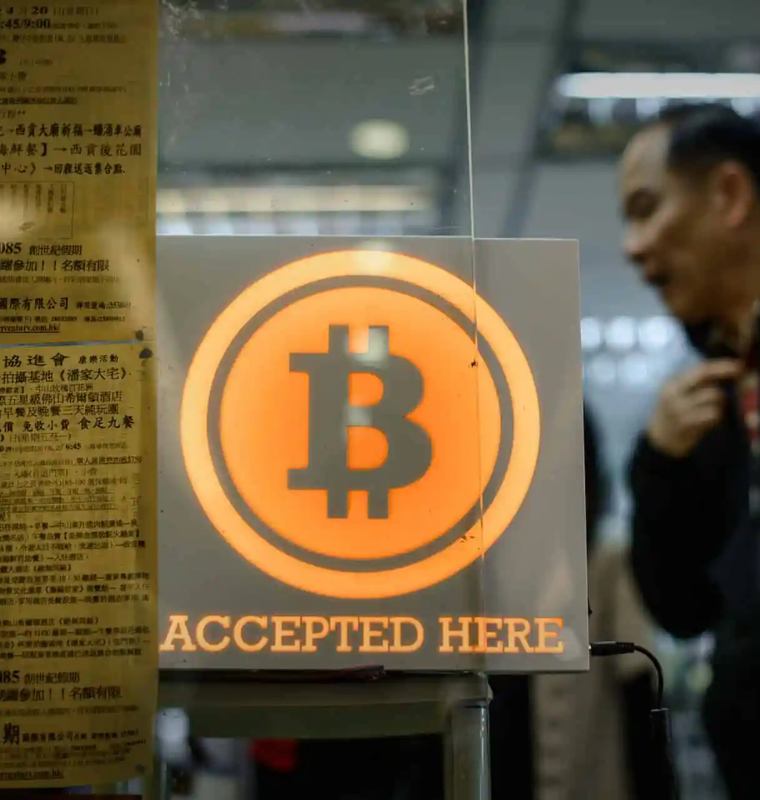
Photo: Newsweek
A turning point in international crypto policy
The global cryptocurrency industry is entering a new phase as regulatory clarity expands across major financial hubs. Recent developments involving Ripple in the United Kingdom and Bitcoin exchange traded fund plans in South Korea highlight a growing willingness among regulators to formally integrate digital assets into existing financial systems. These moves suggest that crypto is steadily transitioning from a speculative frontier into a regulated component of global markets.
Ripple’s progress within the UK financial framework
Ripple’s advancement in the United Kingdom reflects the country’s pragmatic approach toward blockchain innovation. UK regulators have increasingly emphasized balanced oversight that supports innovation while maintaining financial stability. Ripple’s ability to operate more confidently within this environment strengthens its position as a provider of blockchain based payment solutions. This progress also reinforces the UK’s ambition to remain competitive as a global fintech hub.
Why the UK market matters for crypto firms
The United Kingdom holds strategic importance due to its deep financial infrastructure and international connectivity. Approval or regulatory comfort in this market often serves as a signal to other jurisdictions. For crypto firms like Ripple success in the UK can open pathways to partnerships with banks payment providers and institutional clients. It also demonstrates that compliance focused crypto models can coexist with traditional finance.
South Korea’s evolving stance on Bitcoin investment products
In parallel South Korea is signaling a potential shift in its approach to crypto investment vehicles. Plans to explore Bitcoin exchange traded funds represent a significant policy evolution in a market known for active retail participation. Regulators appear to be recognizing that regulated investment products may offer safer exposure compared to unregulated trading platforms. This move could reshape how Korean investors access digital assets.
The significance of Bitcoin ETFs for mainstream adoption
Bitcoin ETFs play a critical role in bridging traditional finance and crypto markets. They allow investors to gain exposure through familiar structures without directly holding digital assets. South Korea’s consideration of such products suggests growing confidence in Bitcoin’s market maturity. If approved these ETFs could attract institutional capital and expand participation among conservative investors.
Investor confidence and market sentiment effects
Regulatory progress in major economies often has a direct impact on market sentiment. Positive signals from the UK and South Korea may strengthen global investor confidence. Markets tend to respond favorably when uncertainty is reduced and long term participation becomes more viable. These developments contribute to the perception that crypto markets are stabilizing rather than remaining purely speculative.
Implications for exchanges and service providers
Exchanges and custodial services stand to benefit from clearer regulatory pathways. Approval of regulated products and compliance focused operations encourages professionalization across the industry. Service providers may invest more heavily in infrastructure security and transparency. This can lead to healthier competition and improved user protection over time.
A broader trend toward regulatory normalization
These developments are not isolated events but part of a broader global trend. Governments are increasingly shifting from restrictive or unclear stances toward structured oversight. Rather than banning crypto activity regulators are focusing on integration and risk management. This approach reflects recognition that digital assets are unlikely to disappear and are better managed within formal frameworks.
Challenges that still remain
Despite progress challenges persist. Regulatory alignment across borders remains inconsistent and policy timelines can be unpredictable. Market volatility and technological risks continue to concern regulators. However incremental approvals and pilot programs suggest that authorities prefer gradual integration over abrupt disruption.
What this means for the future of crypto markets
As more jurisdictions adopt measured regulatory strategies crypto markets may experience deeper liquidity and broader participation. Institutional involvement could increase as compliance risks decline. For projects like Ripple and assets like Bitcoin these developments reinforce long term relevance rather than short term hype.
A signal of maturing global acceptance
The combined progress in the United Kingdom and South Korea signals a maturing attitude toward digital assets worldwide. Crypto is increasingly viewed as infrastructure and investment rather than an experiment. These regulatory steps mark another milestone in the industry’s evolution toward global legitimacy and sustained growth.

Popular articles



Subscribe to unlock premium content
Disney’s Timeless Magic and How the Entertainment Giant Continues to Shape Culture and Innovation

Imran Khan’s Economic Missteps Amid Political Chaos in Pakistan

The Philippines’ Digital Shift How Remittances and BPO Are Fueling Growth

Disney’s Timeless Magic and How the Entertainment Giant Continues to Shape Culture and Innovation
Imran Khan’s Economic Missteps Amid Political Chaos in Pakistan
Disney’s Timeless Magic and How the Entertainment Giant Continues to Shape Culture and Innovation