
Global Regulators Move Toward Unified Stablecoin Framework as Financial Stability Concerns Intensify

Global Regulators Move Toward Unified Stablecoin Framework as Financial Stability Concerns Intensify
By
Alina Sinclair
Last updated:
April 20, 2026
First Published:
April 20, 2026

.jpg)
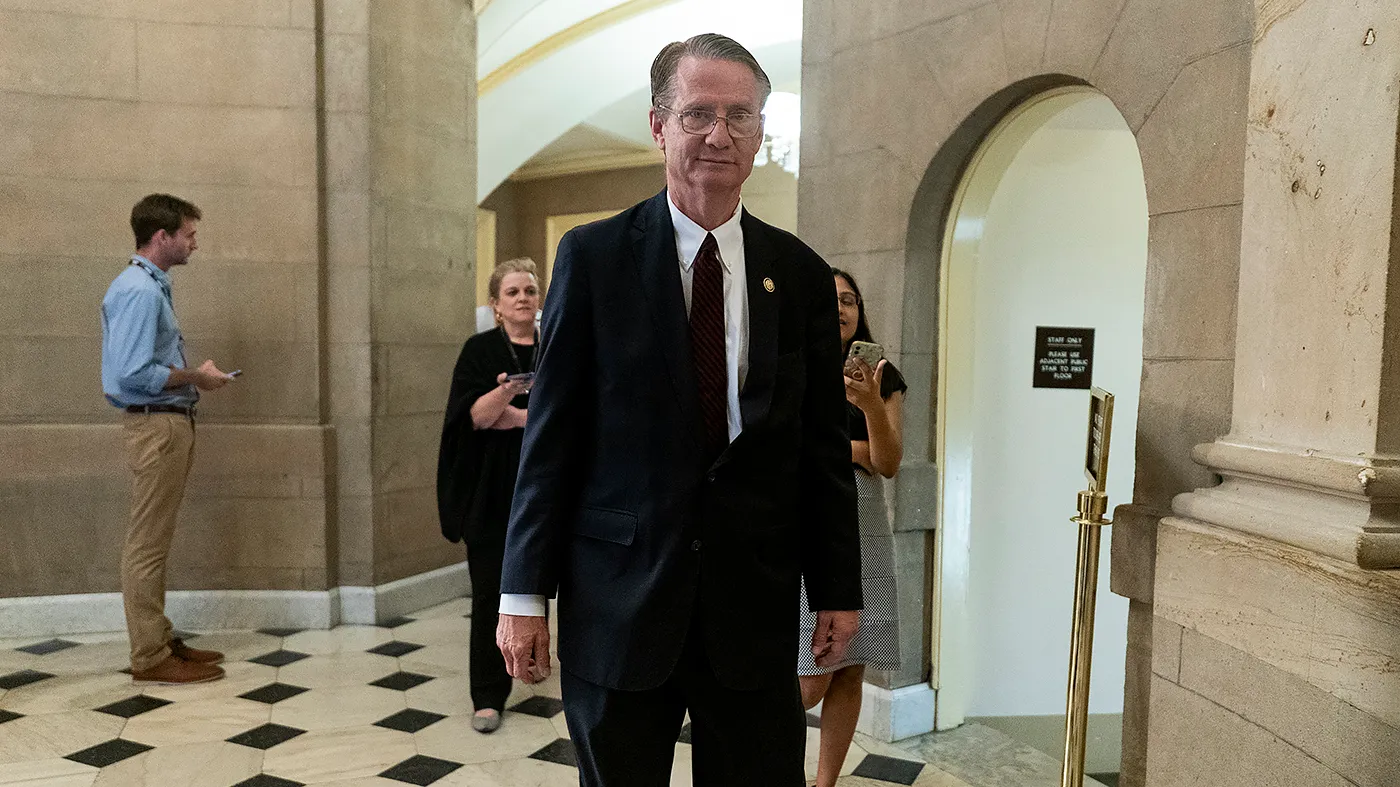
Photo: Forbes
A Turning Point for Stablecoin Regulation
The global financial landscape is entering a decisive phase as regulators intensify efforts to establish a unified framework for stablecoins. These digital assets, designed to maintain a fixed value by being pegged to traditional currencies, have grown rapidly in both adoption and influence. What was once considered a niche innovation is now deeply intertwined with global payment systems, cross border transactions, and decentralized finance ecosystems. This rapid expansion has prompted authorities to reassess the potential systemic risks associated with stablecoins.
Why Stablecoins Are Under Scrutiny
Stablecoins offer efficiency, speed, and accessibility, making them attractive for both retail users and institutional players. However, their promise of stability depends heavily on the reserves backing them and the transparency of their issuers. Concerns have emerged around whether these reserves are sufficiently liquid and whether redemption mechanisms can withstand periods of market stress. Regulators are increasingly focused on ensuring that these digital assets do not become weak links in the broader financial system.
The Push for Global Coordination
One of the most significant challenges in regulating stablecoins is their borderless nature. Unlike traditional financial institutions that operate within clearly defined jurisdictions, stablecoins can be issued in one country and used globally within seconds. This has led to calls for international cooperation among regulators. Policymakers believe that fragmented rules could create loopholes that undermine financial stability, making coordinated oversight essential.
Balancing Innovation and Risk Management
While the risks are evident, regulators are also aware of the innovation that stablecoins bring to the financial sector. They enable faster settlements, reduce transaction costs, and expand financial inclusion. The goal is not to stifle innovation but to create a regulatory environment where growth can occur without compromising security. This balancing act is at the core of ongoing discussions among global financial authorities.
Institutional Interest Adds Pressure
The increasing involvement of large financial institutions has added urgency to the regulatory conversation. As banks, payment providers, and fintech firms explore stablecoin integration, the potential impact on traditional financial systems becomes more pronounced. Regulators are keen to ensure that these integrations do not introduce hidden risks that could ripple across markets during periods of volatility.
Transparency and Reserve Standards Take Center Stage
A key area of focus is the establishment of clear standards for reserve management. Regulators are advocating for high quality liquid assets to back stablecoins, along with regular audits and disclosures. Transparency is seen as critical in maintaining user trust and preventing sudden loss of confidence, which could trigger large scale redemptions and market disruptions.
The Role of Central Banks
Central banks are closely monitoring the rise of stablecoins as they explore their own digital currency initiatives. The emergence of central bank digital currencies adds another layer to the regulatory landscape. Authorities are evaluating how stablecoins can coexist with these government backed digital currencies while ensuring that monetary policy remains effective and financial stability is preserved.
Market Reactions and Industry Response
The crypto industry has shown mixed reactions to the push for stricter regulations. Some market participants welcome clear guidelines, viewing them as a pathway to mainstream adoption and institutional trust. Others express concerns that overly rigid rules could limit innovation and reduce competitiveness. This ongoing dialogue between regulators and industry players is shaping the future direction of the stablecoin market.
Potential Impact on Global Finance
If implemented effectively, a unified regulatory framework could strengthen the role of stablecoins in global finance. It could reduce risks, enhance transparency, and foster greater confidence among users and investors. At the same time, it may lead to consolidation within the industry, as smaller issuers struggle to meet stricter compliance requirements.
Looking Ahead
The coming months are likely to be pivotal for stablecoin regulation. As discussions evolve into concrete policies, the industry will need to adapt quickly to new standards. The outcome of these efforts will determine whether stablecoins can fulfill their promise as reliable digital representations of traditional currencies or face limitations due to regulatory constraints.
Popular articles



Subscribe to unlock premium content
Disney’s Timeless Magic and How the Entertainment Giant Continues to Shape Culture and Innovation

Imran Khan’s Economic Missteps Amid Political Chaos in Pakistan

The Philippines’ Digital Shift How Remittances and BPO Are Fueling Growth

Disney’s Timeless Magic and How the Entertainment Giant Continues to Shape Culture and Innovation
Imran Khan’s Economic Missteps Amid Political Chaos in Pakistan
Disney’s Timeless Magic and How the Entertainment Giant Continues to Shape Culture and Innovation