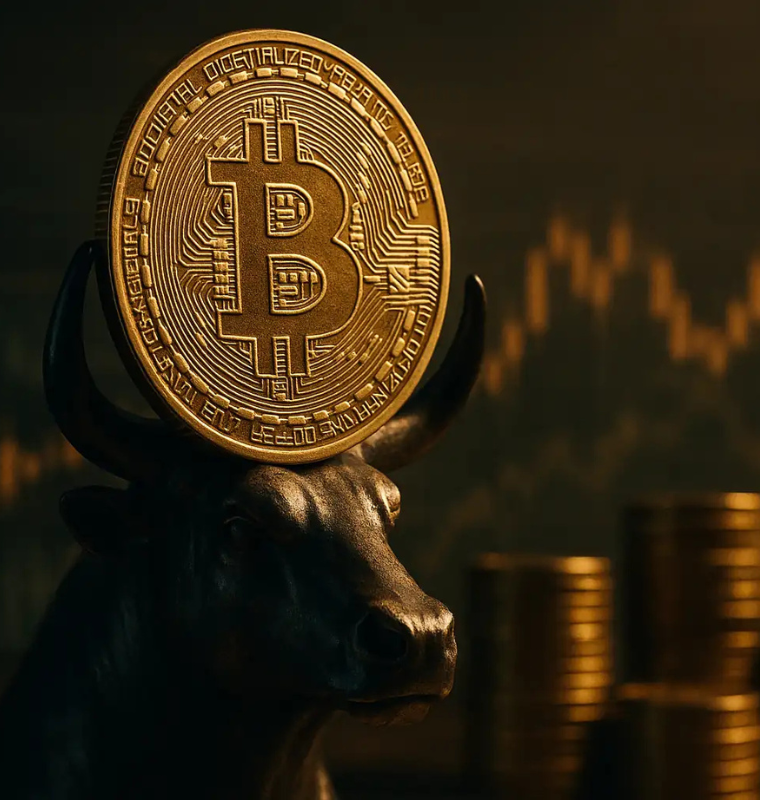
Institutional Demand Strengthens as Crypto Market Stabilizes After Early 2026 Correction Phase

Institutional Demand Strengthens as Crypto Market Stabilizes After Early 2026 Correction Phase
By
Rachel Steinberg
Last updated:
April 20, 2026
First Published:
April 20, 2026


Photo: Crypto-Corner
A Gradual Return to Stability
After experiencing volatility earlier in the year, the cryptocurrency market has entered a phase of relative stabilization. Price fluctuations have become more contained compared to previous swings, suggesting that the market may be transitioning from reactive trading behavior toward a more structured growth pattern driven by institutional participation.
Institutional Investors Step Back Into the Market
Large financial institutions, including asset managers, hedge funds, and corporate treasuries, have shown renewed interest in digital assets. This return of institutional demand is often interpreted as a signal of confidence in the long term viability of the crypto sector, especially after periods of correction when valuations become more attractive.
Accumulation Strategy Over Speculative Trading
Unlike retail investors who often respond to short term price movements, institutional participants tend to adopt accumulation strategies. This means gradually building positions over time rather than reacting to daily volatility. Such behavior contributes to market stability and reduces the intensity of sharp price swings.
Improving Market Infrastructure Supports Confidence
The continued development of regulated exchanges, custody solutions, and compliance frameworks has played a key role in attracting institutional capital. Improved infrastructure reduces operational risks and makes it easier for large entities to enter and manage exposure to digital assets.
Post Correction Market Behavior
Following the earlier correction phase in 2026, many cryptocurrencies entered consolidation ranges. This period of sideways movement is often viewed as a healthy market phase where excess speculation is reduced and stronger price foundations are formed. Institutional investors often take advantage of such conditions to increase exposure.
Bitcoin Remains the Primary Institutional Entry Point
Bitcoin continues to dominate institutional allocation strategies due to its liquidity, market capitalization, and established track record. Many large investors prefer Bitcoin as their first exposure to the crypto market before considering diversification into other digital assets.
Risk Management Remains a Central Focus
Even as institutional demand increases, risk management remains a priority. Volatility, regulatory uncertainty, and macroeconomic conditions are all carefully evaluated before capital deployment. This disciplined approach helps reduce the likelihood of large scale forced exits during downturns.
Long Term Confidence in Digital Asset Class
The continued participation of institutional players reflects growing confidence in digital assets as a long term investment class. While short term volatility remains a characteristic feature, the underlying narrative is shifting toward digital assets becoming a permanent component of diversified portfolios.
Impact on Market Liquidity and Depth
Institutional involvement has also improved overall market liquidity. Higher liquidity generally leads to smoother price discovery and reduced slippage during large trades. This development is gradually making the crypto market more resilient compared to its earlier stages.
Regulatory Clarity as a Supporting Factor
Greater clarity in regulatory approaches across multiple jurisdictions has encouraged institutional engagement. As compliance expectations become more defined, institutions are more willing to allocate capital into crypto markets with reduced legal uncertainty.
Retail and Institutional Dynamics Diverge
A noticeable trend is the divergence between retail and institutional behavior. While retail traders often react to short term sentiment, institutions tend to focus on macro trends and long term adoption patterns. This divergence contributes to more layered and complex market dynamics.
Outlook for Continued Growth Phase
If institutional inflows continue at a steady pace, the market may enter a more sustained growth phase characterized by lower volatility and higher structural support levels. However, external shocks and macroeconomic changes will still play a decisive role in shaping the trajectory of the market.
Popular articles



Subscribe to unlock premium content
Disney’s Timeless Magic and How the Entertainment Giant Continues to Shape Culture and Innovation

Imran Khan’s Economic Missteps Amid Political Chaos in Pakistan

The Philippines’ Digital Shift How Remittances and BPO Are Fueling Growth

Disney’s Timeless Magic and How the Entertainment Giant Continues to Shape Culture and Innovation
Imran Khan’s Economic Missteps Amid Political Chaos in Pakistan
Disney’s Timeless Magic and How the Entertainment Giant Continues to Shape Culture and Innovation