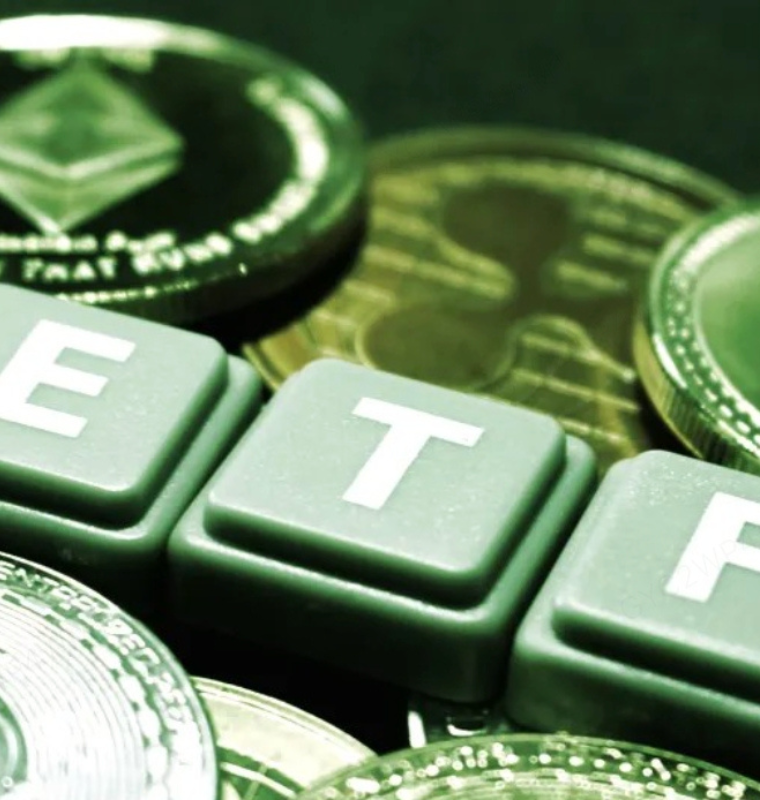
Ghana Unveils Comprehensive Cryptocurrency Regulatory Framework
By
Augusta Parker
Last updated:
May 22, 2026
First Published:
May 22, 2026


Photo: CediRates
A Landmark Moment for Cryptocurrency Regulation in Africa
Ghana has taken a significant step toward shaping the future of digital finance by introducing a comprehensive cryptocurrency regulatory framework designed to address the growing influence of digital assets within the country's economy. The initiative represents one of the most ambitious efforts by an African nation to create a structured environment for cryptocurrency activities while encouraging innovation and protecting investors.
As cryptocurrencies continue to gain popularity across emerging and developed markets alike, governments are increasingly faced with the challenge of balancing innovation with oversight. Ghana's latest framework seeks to achieve that balance by establishing clear rules for businesses, investors, exchanges, and digital asset service providers operating within the country.
The move has attracted attention from financial institutions, blockchain developers, technology entrepreneurs, and international investors who view Africa as one of the fastest growing regions for cryptocurrency adoption.
Why Ghana Decided to Act Now
Over the past several years, cryptocurrency usage has expanded rapidly across many African nations. Factors such as mobile technology adoption, increasing internet access, demand for alternative financial services, and cross border payment needs have contributed to the growth of digital assets throughout the continent.
In Ghana, cryptocurrencies have become increasingly popular among young investors, freelancers, technology professionals, and entrepreneurs seeking new financial opportunities. However, the absence of clear regulations created uncertainty for both businesses and consumers.
Authorities recognized that without a dedicated legal framework, investors could be exposed to fraud, market manipulation, and operational risks. At the same time, legitimate blockchain companies often faced challenges because they lacked regulatory clarity.
The new framework seeks to address these concerns while supporting the development of a sustainable digital asset ecosystem.
Creating Clear Rules for Crypto Businesses
One of the most important aspects of the framework is the introduction of licensing requirements for cryptocurrency related businesses. Digital asset exchanges, wallet providers, brokerage platforms, and other service providers will now be expected to comply with established standards before offering services within the country.
Clear licensing procedures help establish accountability within the industry. Businesses that meet regulatory requirements can operate with greater legitimacy, while consumers gain confidence knowing that approved companies are subject to oversight.
The framework is also expected to improve transparency throughout the cryptocurrency sector by requiring businesses to maintain operational standards related to financial reporting, customer protection, and risk management.
This approach aligns with a broader global trend where regulators are seeking to bring cryptocurrency activities under formal supervision without eliminating innovation.
Strengthening Investor Protection Measures
Investor protection remains one of the central goals of the new regulatory structure. Cryptocurrency markets offer significant opportunities, but they can also expose participants to risks ranging from extreme volatility to fraudulent schemes.
The framework introduces mechanisms designed to improve consumer awareness and reduce the likelihood of financial misconduct. Service providers may be required to disclose relevant risks associated with digital asset investments and maintain procedures that protect customer funds.
Educational initiatives are also expected to play an important role. As cryptocurrency adoption expands, regulators recognize the importance of helping citizens understand both the opportunities and risks associated with digital assets.
By promoting transparency and accountability, Ghana aims to build trust among individuals who may be interested in participating in the cryptocurrency economy but remain cautious due to concerns about security and fraud.
Combating Financial Crime in the Digital Asset Sector
One of the primary motivations behind cryptocurrency regulation worldwide is the need to address financial crime risks. Digital assets can facilitate innovation and financial inclusion, but regulators must also ensure that they are not used for illicit activities.
Ghana's framework includes measures focused on anti money laundering compliance and customer verification procedures. Cryptocurrency businesses operating within the country will likely be expected to maintain robust compliance systems that identify suspicious activities and support financial integrity.
These measures are intended to align the country's digital asset sector with international financial standards while maintaining a supportive environment for legitimate innovation.
Effective compliance frameworks also improve confidence among international investors and financial institutions that may wish to engage with Ghana's growing digital economy.
Supporting Blockchain Innovation Beyond Cryptocurrency
While much of the public discussion focuses on cryptocurrencies themselves, the regulatory framework also highlights the broader potential of blockchain technology.
Blockchain applications extend far beyond digital currencies and can be used in areas such as supply chain management, identity verification, healthcare records, property registration, and financial services.
By providing regulatory clarity, Ghana hopes to encourage technology startups and entrepreneurs to explore innovative blockchain solutions across multiple industries.
A predictable legal environment often serves as a catalyst for investment because businesses can plan their operations with greater confidence. This may contribute to the growth of local technology ecosystems and attract international blockchain companies seeking expansion opportunities within Africa.
The Economic Opportunities Ahead
Many analysts believe that digital assets and blockchain technologies could play a significant role in future economic development. For emerging economies, these technologies offer opportunities to improve financial inclusion, increase efficiency, and expand access to global markets.
In Ghana, the regulatory framework could help create new business opportunities while supporting employment growth in technology and financial services sectors. Entrepreneurs may find it easier to launch innovative products and services once regulatory expectations become more clearly defined.
The country also has the potential to position itself as a regional hub for blockchain innovation. Nations that establish balanced regulatory environments often become attractive destinations for investment, talent, and technological development.
As global interest in digital assets continues to expand, countries that provide clarity and stability may gain competitive advantages in attracting emerging industries.
Challenges Regulators Must Continue to Address
Although the new framework represents an important milestone, implementation will be critical to its long term success. Cryptocurrency markets evolve rapidly, and regulators must remain flexible enough to adapt to technological changes and emerging business models.
Authorities will need to monitor market developments carefully while ensuring that regulations remain effective without becoming overly restrictive. Excessive regulatory burdens could discourage innovation, while insufficient oversight could expose consumers to unnecessary risks.
Achieving the right balance will require ongoing collaboration between regulators, industry participants, technology experts, and financial institutions.
Education will also remain a priority, as many consumers are still developing their understanding of digital assets and blockchain technology.
International Significance of Ghana's Approach
The introduction of a comprehensive cryptocurrency framework places Ghana among a growing group of countries actively shaping the future of digital asset regulation.
As governments around the world explore different regulatory models, Ghana's approach may provide valuable lessons for other emerging economies seeking to encourage innovation while protecting consumers.
International observers are paying close attention to how nations navigate the challenges associated with cryptocurrency adoption. Successful implementation could strengthen Ghana's reputation as a forward thinking participant in the global digital economy.
The framework may also encourage greater cooperation between regional regulators as African countries continue developing their own approaches to digital asset governance.
The Future of Cryptocurrency in Ghana
The launch of the regulatory framework does not mark the end of Ghana's cryptocurrency journey. Instead, it represents the beginning of a new phase characterized by greater structure, accountability, and opportunity.
Businesses operating within the sector will have clearer expectations regarding compliance and operations. Investors will benefit from enhanced protections and increased transparency. Technology innovators will gain a more stable environment in which to develop new blockchain based solutions.
As digital assets become increasingly integrated into global finance, countries that establish thoughtful and adaptive regulatory systems may be better positioned to participate in the next generation of financial innovation.
Ghana's comprehensive cryptocurrency regulatory framework marks a major development in the evolution of digital finance across Africa. By introducing clear rules for cryptocurrency businesses, strengthening investor protections, enhancing compliance standards, and encouraging technological innovation, the country is taking meaningful steps toward building a sustainable digital asset ecosystem.
The initiative reflects a growing recognition that cryptocurrencies and blockchain technologies are becoming important components of the global financial landscape. While challenges remain, Ghana's commitment to balancing innovation with responsible oversight could serve as a model for other nations seeking to embrace the opportunities of the digital economy.
As implementation progresses, the world will be watching closely to see how this ambitious regulatory effort shapes the future of cryptocurrency adoption, investment, and innovation throughout the region and beyond.

Popular articles



Subscribe to unlock premium content
Imran Khan’s Economic Missteps Amid Political Chaos in Pakistan

The Philippines’ Digital Shift How Remittances and BPO Are Fueling Growth

Is the Era of Globalization Over or Just Evolving?
Imran Khan’s Economic Missteps Amid Political Chaos in Pakistan
The Philippines’ Digital Shift How Remittances and BPO Are Fueling Growth
Imran Khan’s Economic Missteps Amid Political Chaos in Pakistan