Crypto ETFs and Regulatory Momentum Continue to Shape the Future of Digital Asset Markets

Crypto ETFs and Regulatory Momentum Continue to Shape the Future of Digital Asset Markets
By
Leah Rosenfeld
Last updated:
May 22, 2026
First Published:
May 22, 2026

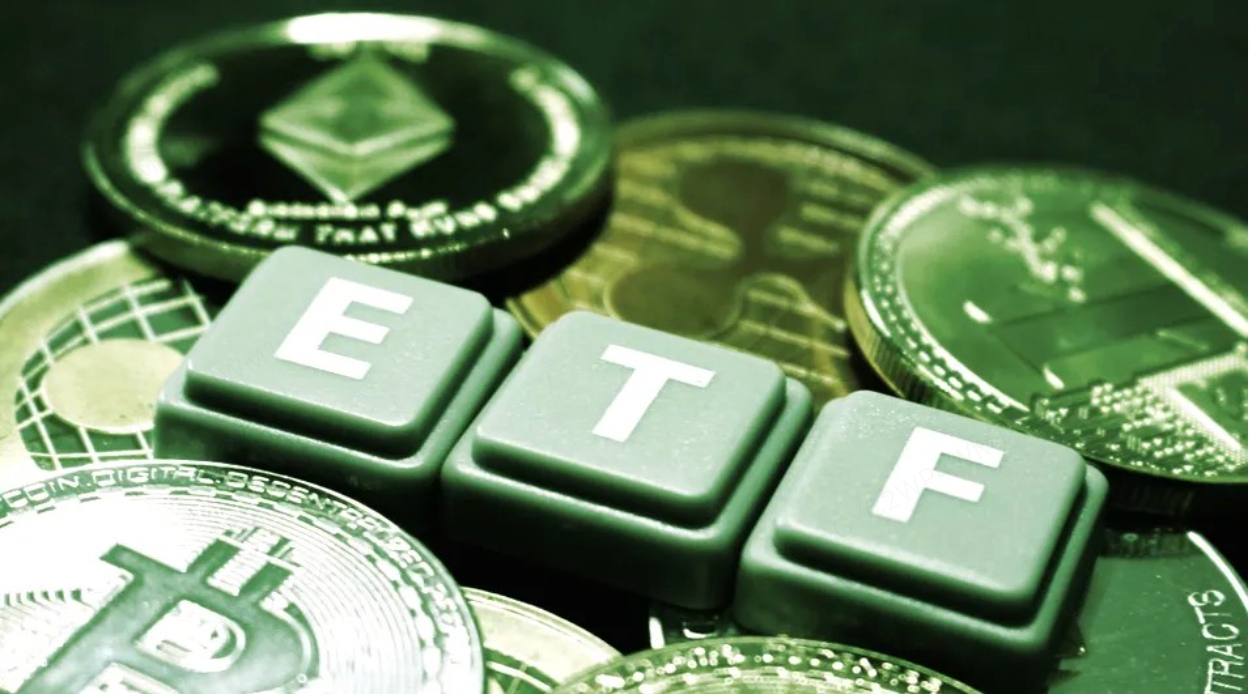
Photo: KuCoin
The Cryptocurrency Market Enters a More Mature Era
The cryptocurrency industry is experiencing a significant transformation as regulatory developments and growing demand for crypto exchange traded funds continue to reshape the digital asset landscape. What was once considered a niche sector driven largely by retail speculation is increasingly evolving into a mature financial ecosystem that attracts institutional investors, wealth managers, corporations, and traditional financial institutions.
Throughout 2026, the relationship between regulation and institutional adoption has become one of the most influential forces affecting cryptocurrency markets. Investors are paying close attention to policy decisions, regulatory frameworks, and ETF related developments because these factors increasingly determine how capital flows into the digital asset sector.
The combination of improved regulatory clarity and expanding access to investment products is helping create a foundation for the next stage of industry growth.
Why Crypto ETFs Have Become So Important
Exchange traded funds have emerged as one of the most significant developments in modern cryptocurrency investing. These financial products allow investors to gain exposure to digital assets through traditional investment accounts without directly purchasing or managing cryptocurrencies themselves.
For many institutional investors, pension funds, wealth management firms, and individual investors, ETFs provide a familiar structure that simplifies access to digital assets. Rather than navigating cryptocurrency wallets, private keys, and exchange accounts, investors can gain exposure through regulated investment vehicles.
This convenience has contributed to growing demand for crypto related ETFs across multiple markets.
As capital continues flowing into these products, their influence on market dynamics becomes increasingly significant. Large inflows often reflect growing investor confidence and can contribute to broader market participation.
Institutional Capital Continues to Enter the Market
One of the most important trends shaping the cryptocurrency industry is the steady increase in institutional involvement. Large investment firms are no longer treating digital assets as experimental investments. Instead, many are evaluating cryptocurrencies as a legitimate asset class worthy of strategic consideration.
Institutional investors typically operate with long term investment horizons and rigorous risk management frameworks. Their participation often introduces greater stability and liquidity into financial markets.
The expansion of crypto ETFs has made it easier for these organizations to allocate capital toward digital assets. As a result, cryptocurrency markets are becoming more integrated with traditional financial systems than ever before.
This integration is helping bridge the gap between conventional finance and the emerging digital economy.
Regulation Is Becoming a Major Market Driver
Regulatory developments now play a central role in shaping cryptocurrency market sentiment. Investors increasingly recognize that policy decisions can influence adoption rates, investment flows, and the long term viability of blockchain based businesses.
Governments around the world are working to establish frameworks that address issues such as investor protection, market integrity, taxation, compliance, and operational transparency.
While regulatory announcements can sometimes create uncertainty in the short term, many industry participants view clear regulations as a necessary step toward broader adoption.
A well defined regulatory environment provides businesses with greater confidence when developing products and services. It also reassures institutional investors that the market is operating within established legal boundaries.
This growing emphasis on regulatory clarity is helping transform cryptocurrencies from a largely unregulated sector into a more structured financial marketplace.
Bitcoin Remains the Primary Institutional Asset
Although the cryptocurrency ecosystem includes thousands of digital assets, Bitcoin continues to dominate institutional interest. Its market leadership, liquidity, brand recognition, and long operating history make it the preferred entry point for many professional investors.
Most crypto ETFs remain heavily focused on Bitcoin because it is widely viewed as the most established and resilient digital asset. For institutions entering the market, Bitcoin often serves as the foundation of broader cryptocurrency exposure.
The continued demand for Bitcoin related investment products highlights its unique position within the digital asset landscape.
Many investors view Bitcoin as a potential store of value, while others see it as a strategic diversification tool within modern investment portfolios.
Regardless of perspective, Bitcoin remains central to discussions surrounding institutional adoption.
Ethereum and Alternative Digital Assets Gain Attention
While Bitcoin remains dominant, investors are gradually expanding their focus to include other digital assets. Ethereum continues attracting significant interest due to its role as the foundation for decentralized finance, blockchain applications, tokenization initiatives, and smart contract infrastructure.
The success of Ethereum has encouraged investors to explore additional blockchain ecosystems and emerging technologies.
This diversification trend reflects the increasing sophistication of cryptocurrency markets. Rather than viewing digital assets as a single category, investors are beginning to distinguish between different sectors, use cases, and technological capabilities.
As ETF offerings evolve, exposure to a broader range of blockchain based assets may become increasingly common.
Such developments could further accelerate institutional participation across multiple segments of the industry.
Traditional Finance and Crypto Are Becoming More Connected
One of the most remarkable developments of recent years has been the growing relationship between traditional finance and cryptocurrency markets.
Major financial institutions that once approached digital assets cautiously are now developing products, services, and investment strategies focused on blockchain technology. Banks, asset managers, brokerage firms, and investment platforms are increasingly integrating cryptocurrency related offerings into their operations.
This convergence is creating new opportunities for investors while contributing to the legitimacy of the digital asset sector.
As financial institutions become more involved, cryptocurrency markets gain access to additional expertise, infrastructure, and capital resources.
The result is an ecosystem that increasingly resembles other established financial markets while maintaining its unique technological foundations.
Challenges Still Remain
Despite the positive momentum surrounding ETFs and regulatory progress, the cryptocurrency industry continues to face important challenges.
Market volatility remains a defining characteristic of digital assets. Regulatory approaches differ across jurisdictions, creating complexity for businesses operating internationally. Security concerns, technological risks, and market competition also require ongoing attention.
Furthermore, policymakers must balance innovation with consumer protection. Excessive restrictions could limit growth, while insufficient oversight could expose investors to unnecessary risks.
Successfully navigating these challenges will require cooperation among regulators, industry participants, technology developers, and financial institutions.
The industry's long term success depends on achieving a balance that encourages innovation while maintaining trust and stability.
Investor Confidence Continues to Strengthen
One reason the cryptocurrency market has demonstrated resilience throughout 2026 is the growing confidence among investors regarding the industry's future.
Institutional participation, expanding ETF availability, technological advancement, and improving regulatory clarity are collectively creating a more supportive environment for long term growth.
Many investors who once viewed cryptocurrencies as speculative assets are beginning to recognize their broader economic and technological significance.
This shift in perception may ultimately prove as important as any individual regulatory decision or ETF approval.
Confidence often serves as the foundation upon which sustainable markets are built.
The Future of Digital Asset Investing
The increasing influence of crypto ETFs and regulatory frameworks suggests that digital asset investing is entering a new phase of development. Access to cryptocurrency markets is becoming easier, more transparent, and more integrated with traditional financial systems.
Future growth will likely depend on continued innovation, responsible regulation, and expanding institutional participation. As infrastructure improves and investor education increases, digital assets may become a standard component of diversified investment portfolios.
The next generation of financial products could include a broader range of blockchain based investment opportunities that extend beyond today's offerings.
Such developments would further strengthen the connection between traditional finance and the digital asset economy.
The growing importance of crypto ETFs and regulatory developments is reshaping the cryptocurrency industry in profound ways. These forces are attracting institutional capital, increasing market accessibility, and helping establish a more mature and structured investment environment.
As policymakers continue refining regulations and investors gain access to a wider range of financial products, the digital asset sector is becoming more integrated into the global financial system.
Bitcoin remains at the center of this transformation, but interest is steadily expanding across the broader blockchain ecosystem. The combination of institutional demand, regulatory clarity, and financial innovation is creating conditions that could support long term industry growth.
For investors, businesses, and market observers, the evolution of crypto ETFs and regulation represents one of the most important developments influencing the future of digital assets. As the market continues to mature, these factors will likely remain among the primary drivers shaping the next chapter of cryptocurrency adoption worldwide.

Popular articles



Subscribe to unlock premium content
Imran Khan’s Economic Missteps Amid Political Chaos in Pakistan

The Philippines’ Digital Shift How Remittances and BPO Are Fueling Growth

Is the Era of Globalization Over or Just Evolving?

Imran Khan’s Economic Missteps Amid Political Chaos in Pakistan
The Philippines’ Digital Shift How Remittances and BPO Are Fueling Growth
Imran Khan’s Economic Missteps Amid Political Chaos in Pakistan