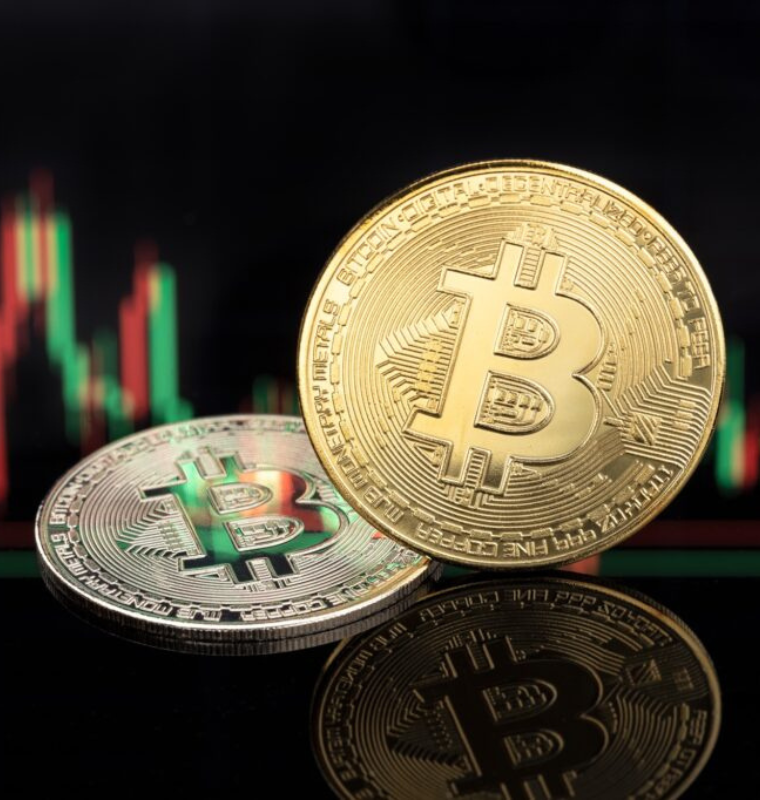
Ethereum Drops to Weekly Low Around 2300 Amid Oil Price Surge and Global Uncertainty

Ethereum Drops to Weekly Low Around 2300 Amid Oil Price Surge and Global Uncertainty
By
Leah Rosenfeld
Last updated:
April 28, 2026
First Published:
April 28, 2026


Photo: Bitget
Ethereum faces renewed selling pressure
On April 28 and 29, Ethereum declined to a weekly low near the 2300 level, reflecting a broader wave of caution across financial markets. The drop did not occur in isolation but rather as part of a wider pullback affecting multiple risk driven assets. This movement highlights how sensitive Ethereum has become to global economic signals.
Oil price surge creates ripple effects across markets
A key driver behind the recent decline has been the sharp rise in global oil prices. Higher energy costs tend to increase inflationary pressure, which in turn affects central bank policy expectations. As inflation concerns grow, investors often reduce exposure to assets like Ethereum that are perceived as volatile.
Macroeconomic uncertainty weighs on sentiment
Beyond energy markets, broader economic uncertainty has also contributed to Ethereum’s decline. Concerns about interest rates, economic growth, and geopolitical stability have created a risk averse environment. In such conditions, traders typically move toward safer investments, leaving cryptocurrencies under pressure.
Short term traders accelerate the downward move
The recent drop was intensified by short term traders who responded quickly to changing market signals. Profit taking and automated trading strategies added to the selling momentum. This type of activity often amplifies price movements, especially during periods of uncertainty.
Long term holders remain relatively stable
Despite the decline, long term investors in Ethereum have shown resilience. There has been no widespread panic selling among this group, suggesting continued confidence in Ethereum’s long term potential. This behavior helps stabilize the market and limits deeper corrections.
Network fundamentals remain intact
Importantly, Ethereum’s underlying fundamentals have not changed. The network continues to support a wide range of decentralized applications, financial services, and blockchain innovations. Development activity remains strong, reinforcing the platform’s position as a leader in the smart contract ecosystem.
Comparison with Bitcoin performance
While Ethereum has declined, Bitcoin has shown relatively stronger stability. This difference reflects Bitcoin’s role as a more established store of value, whereas Ethereum is still viewed as a growth oriented asset with higher sensitivity to market shifts.
Altcoin market follows Ethereum’s lead
Ethereum’s movement often influences the broader altcoin market, and this instance is no exception. Many smaller cryptocurrencies have experienced similar or even larger declines. This pattern underscores Ethereum’s central role in shaping sentiment across the digital asset space.
Outlook for recovery and key levels to watch
Looking ahead, the ability of Ethereum to recover will depend on both macroeconomic developments and market sentiment. Stabilization in oil prices and clearer signals from central banks could provide support. Key technical levels will play an important role in determining the next phase of price action.
Conclusion and market implications
The drop in Ethereum to a weekly low reflects the growing impact of global economic forces on cryptocurrency markets. While short term volatility may continue, the long term outlook remains supported by strong fundamentals and ongoing innovation. For investors, this phase serves as a reminder that even leading digital assets are not immune to external pressures, but they continue to adapt within an evolving financial landscape.

Popular articles



Subscribe to unlock premium content
Imran Khan’s Economic Missteps Amid Political Chaos in Pakistan

The Philippines’ Digital Shift How Remittances and BPO Are Fueling Growth

Is the Era of Globalization Over or Just Evolving?
Imran Khan’s Economic Missteps Amid Political Chaos in Pakistan
The Philippines’ Digital Shift How Remittances and BPO Are Fueling Growth
Imran Khan’s Economic Missteps Amid Political Chaos in Pakistan