Altcoins Show Mixed Performance as Capital Rotates Within the Crypto Market

Altcoins Show Mixed Performance as Capital Rotates Within the Crypto Market
By
Augusta Parker
Last updated:
April 28, 2026
First Published:
April 28, 2026


Photo: Cash2Bitcoin
A fragmented altcoin landscape emerges
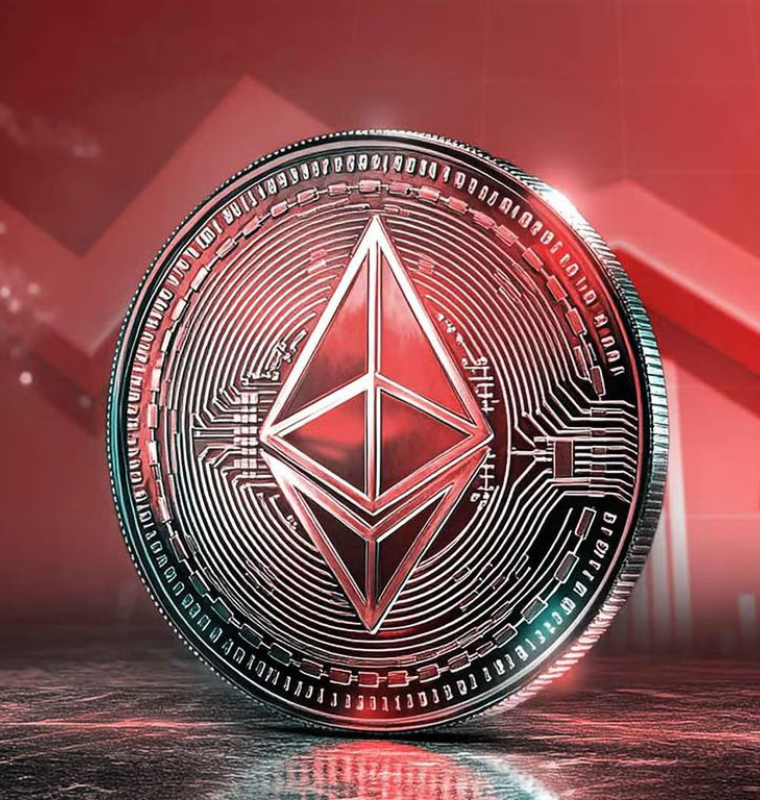
During April 28 and 29, the cryptocurrency market showed a clear divergence in performance across different asset classes. While major cryptocurrencies such as Bitcoin and Ethereum experienced mild corrections, several altcoins delivered mixed and highly selective performance. This uneven behavior highlights a market increasingly driven by rotation rather than uniform rallies.
Understanding capital rotation in crypto markets
Capital rotation refers to the movement of investor funds between different segments of the market. In this case, profits from large cap assets are being partially reallocated into smaller, higher risk tokens. This creates a scenario where some altcoins surge while others stagnate or decline. The result is a fragmented market structure rather than a synchronized trend.
Bitcoin and Ethereum set the overall tone
The performance of Bitcoin continues to influence overall sentiment. As it consolidates after recent gains, many traders adopt a cautious stance. Similarly, Ethereum has shown short term weakness, which further tempers enthusiasm across the broader market. These movements often act as a benchmark for risk appetite.
Selective strength in emerging narratives
Despite the cautious environment, certain altcoin sectors have shown notable strength. Tokens tied to artificial intelligence, decentralized infrastructure, and real world asset tokenization have attracted renewed interest. This suggests that investors are becoming more selective, focusing on specific narratives rather than broad market exposure.
Weakness among high volatility tokens
At the same time, many speculative and low liquidity altcoins have struggled. These assets tend to be more sensitive to market sentiment shifts and often experience sharper declines during periods of uncertainty. The contrast between strong and weak performers highlights the growing importance of fundamentals even within the altcoin space.
Institutional influence on market segmentation
Institutional participation is increasingly shaping how capital flows across the crypto ecosystem. Larger investors tend to concentrate on established assets like Bitcoin and Ethereum, while retail driven speculation dominates smaller tokens. This divide contributes to uneven performance across the market.
Trading volumes reflect cautious optimism
Despite mixed price action, trading activity remains relatively strong. This indicates that investors are still engaged but are deploying capital more selectively. Liquidity is not concentrated evenly, with certain altcoin sectors attracting disproportionate attention compared to others.
Market psychology shifting toward precision investing
The current environment reflects a broader psychological shift among traders. Instead of chasing broad market rallies, participants are increasingly focusing on timing, narrative strength, and risk adjusted returns. This more disciplined approach is contributing to the uneven but structured nature of altcoin performance.
Implications for short term and long term trends
In the short term, continued volatility and divergence are likely as the market searches for direction. However, in the long term, this selective behavior may help strengthen the ecosystem by rewarding projects with real utility and sustained development. Weak projects may gradually lose relevance as capital becomes more discerning.
Conclusion and market outlook
The mixed performance of altcoins alongside stable behavior from Bitcoin and Ethereum reflects a maturing market structure. Capital rotation, selective investment strategies, and narrative driven growth are becoming defining features of the current cycle. For investors, this phase emphasizes the importance of research driven decision making rather than broad market speculation.

Popular articles



Subscribe to unlock premium content
Imran Khan’s Economic Missteps Amid Political Chaos in Pakistan

The Philippines’ Digital Shift How Remittances and BPO Are Fueling Growth

Is the Era of Globalization Over or Just Evolving?
Imran Khan’s Economic Missteps Amid Political Chaos in Pakistan
The Philippines’ Digital Shift How Remittances and BPO Are Fueling Growth
Imran Khan’s Economic Missteps Amid Political Chaos in Pakistan