Crypto Political Action Committees Strengthen Influence as Pro Cryptocurrency Candidates Score Key Primary Victories

Crypto Political Action Committees Strengthen Influence as Pro Cryptocurrency Candidates Score Key Primary Victories
By
David Goldfarb
Last updated:
June 3, 2026
First Published:
June 3, 2026

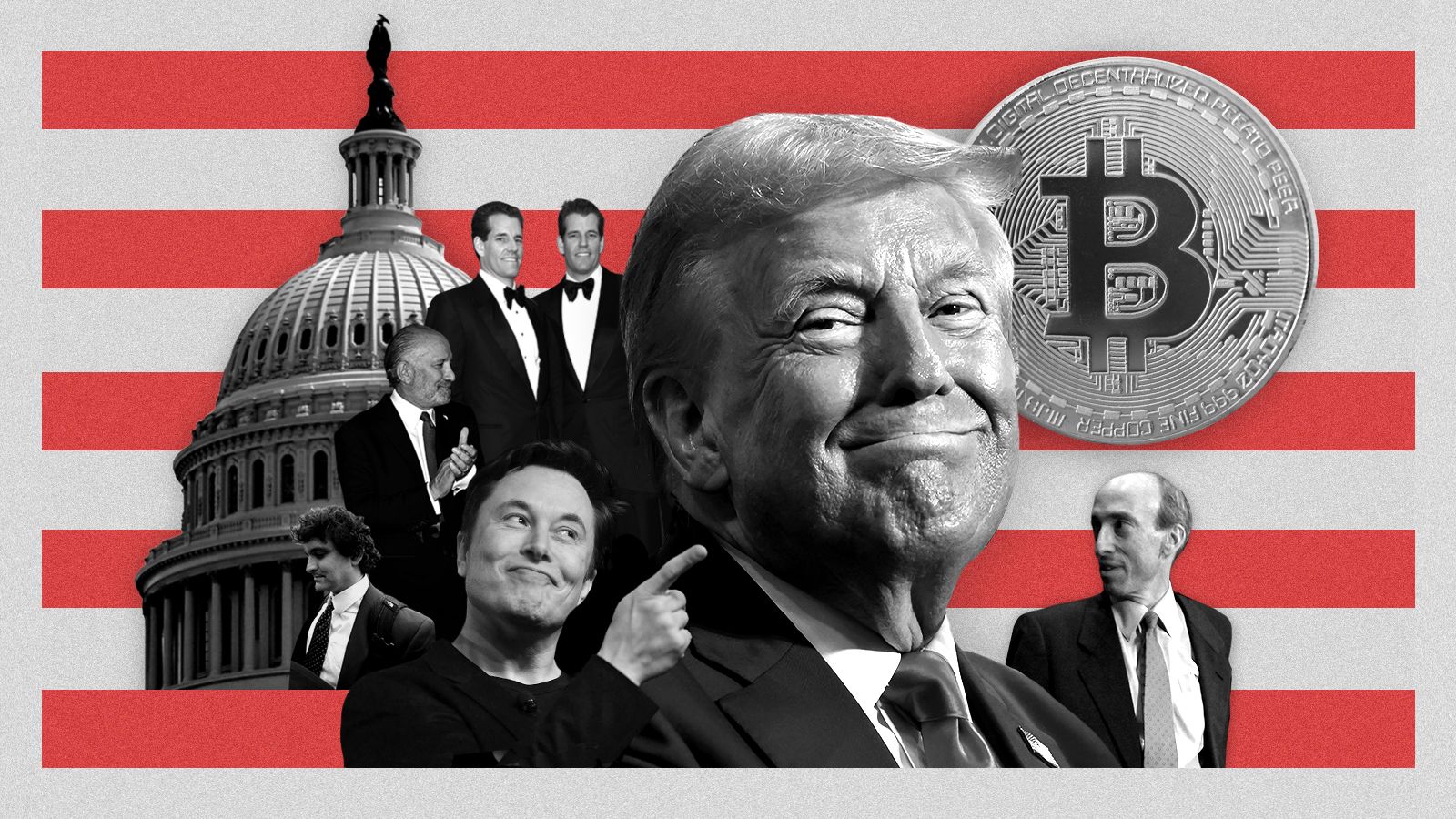
Photo: CNN
The relationship between cryptocurrency and politics entered a new phase in June as several candidates viewed as supportive of digital asset innovation secured victories in important primary elections across the United States. These outcomes have drawn attention to the growing influence of cryptocurrency focused political action committees, commonly known as PACs, which have become increasingly active in shaping policy discussions and supporting candidates who favor blockchain innovation and digital finance development.
The results demonstrate how the cryptocurrency industry is evolving beyond technology and investment circles into a significant political force capable of influencing legislative conversations. As digital assets become more integrated into the global financial system, industry leaders are placing greater emphasis on engaging policymakers and ensuring that future regulations reflect the interests of innovation while maintaining market stability.
The Rise of Crypto Focused Political Organizations
Political action committees have long played an important role in American elections. They help raise funds, support campaigns, and advocate for issues important to specific industries or interest groups. Over the last few years, the cryptocurrency sector has increasingly adopted this strategy as regulatory decisions began playing a larger role in determining the future of digital assets.
Crypto focused PACs emerged from the belief that lawmakers and regulators would have a profound impact on how blockchain companies operate, how investors access digital assets, and how innovation develops within the United States. Industry participants recognized that remaining absent from political discussions could leave the future of cryptocurrency in the hands of policymakers with limited understanding of the technology.
As a result, several well funded organizations began supporting candidates who demonstrated interest in encouraging responsible innovation while promoting regulatory clarity.
Why These Primary Elections Matter
Primary elections often receive less public attention than general elections, yet they play a crucial role in determining which candidates ultimately compete for public office. In many districts, winning a primary can significantly increase the likelihood of securing victory in the final election.
The recent successes of candidates supported by cryptocurrency aligned PACs suggest that the industry's political strategy is producing measurable results. These victories are not necessarily about creating a government controlled by cryptocurrency interests. Instead, they reflect growing recognition among candidates that digital assets represent an important economic sector with expanding voter interest.
For the cryptocurrency industry, each successful candidate potentially adds another voice to future discussions involving blockchain regulation, financial innovation, taxation, and technology policy.
Regulatory Clarity Remains a Top Priority
One of the most important issues motivating political engagement within the cryptocurrency industry is the pursuit of regulatory clarity. Businesses operating in the digital asset sector have frequently expressed frustration regarding uncertainty surrounding compliance requirements and legal classifications.
Companies often face challenges when determining whether specific digital assets should be treated as securities, commodities, payment instruments, or entirely new financial categories. Unclear rules can discourage investment, delay innovation, and create barriers for entrepreneurs seeking to launch new products.
Candidates supported by crypto focused organizations generally advocate for clearer frameworks that define industry expectations while allowing technological progress to continue. Their recent victories may increase momentum behind legislative efforts aimed at creating more predictable regulations.
The Expanding Economic Importance of Cryptocurrency
The growing political relevance of cryptocurrency reflects the industry's expanding economic footprint. What began as a niche technological experiment has developed into a global sector involving exchanges, payment systems, software developers, institutional investors, mining operations, and blockchain infrastructure providers.
Millions of individuals now own digital assets directly or indirectly through investment products. Numerous businesses have integrated blockchain technology into their operations, while financial institutions continue exploring opportunities within digital finance.
As the industry grows, policymakers increasingly recognize that decisions affecting cryptocurrency can influence employment, investment, innovation, and economic competitiveness. This reality has encouraged greater dialogue between elected officials and industry stakeholders.
Voter Interest Continues to Increase
Political analysts have observed that cryptocurrency is becoming a more visible issue among certain voter groups, particularly younger demographics and technology focused communities. Many voters view digital assets not only as investments but also as symbols of technological progress and financial modernization.
Candidates who demonstrate an understanding of blockchain technology often find opportunities to connect with voters interested in innovation, entrepreneurship, and economic transformation. This trend has encouraged more political campaigns to develop positions on cryptocurrency related issues.
As awareness grows, digital asset policy could become a more prominent topic during future election cycles.
Industry Leaders Seek Long Term Stability
The involvement of cryptocurrency organizations in politics is often driven by a desire for long term stability rather than short term market gains. Industry leaders generally recognize that sustainable growth depends on clear legal frameworks, consumer confidence, and constructive relationships with regulators.
By supporting candidates who advocate balanced approaches to innovation and oversight, crypto focused PACs aim to help create an environment where businesses can invest confidently and consumers can participate safely.
This approach reflects a broader shift within the industry toward professionalization and institutional engagement.
Critics Raise Concerns About Industry Influence
Despite recent successes, the growing political influence of cryptocurrency organizations has not been universally welcomed. Critics argue that increased campaign spending by industry groups could give certain sectors disproportionate influence over policymaking.
Some observers worry that political contributions may lead to regulations that prioritize industry interests over consumer protection. Others caution that lawmakers should carefully evaluate all perspectives when developing digital asset legislation.
Supporters of cryptocurrency engagement counter that participation in the political process is common across numerous industries and represents a legitimate effort to ensure policymakers understand emerging technologies.
The Global Implications of Domestic Policy
Cryptocurrency operates within a global ecosystem, meaning policy decisions in one major economy can influence developments around the world. Regulatory frameworks established by leading financial centers often shape international standards and business practices.
As pro innovation candidates gain influence within government institutions, industry participants are watching closely to see how future legislation may affect global competitiveness. Many believe that supportive policies could encourage investment, attract talent, and strengthen the country's position within the digital economy.
The recent primary victories may therefore carry implications that extend far beyond individual electoral districts.
Looking Ahead to Future Elections
The success of crypto aligned candidates in primary contests is unlikely to mark the end of political engagement by the industry. Many analysts expect cryptocurrency organizations to remain active throughout upcoming election cycles as debates surrounding regulation continue evolving.
Future campaigns may feature increased discussion regarding digital payments, blockchain innovation, financial inclusion, decentralized technologies, and emerging investment opportunities. Candidates who can effectively address these topics may find themselves better positioned to connect with technology minded voters.
The industry's growing political sophistication suggests that digital assets will remain a significant policy issue for years to come.
A Defining Moment for Crypto and Politics
The recent primary victories supported by cryptocurrency focused PACs highlight the industry's transformation from a niche financial experiment into a recognized political and economic force. These developments demonstrate that blockchain technology and digital assets are no longer confined to trading platforms and technology conferences.
Instead, they are becoming part of broader national conversations involving innovation, economic growth, regulation, and global competitiveness. As policymakers, voters, and industry leaders continue engaging with these issues, the relationship between cryptocurrency and politics will likely become even more influential.
The latest primary election results underscore the expanding role of cryptocurrency within the political landscape. Through strategic advocacy, voter engagement, and campaign support, crypto focused political organizations are helping shape conversations about the future of digital finance.
Whether one views this trend as an opportunity or a challenge, its significance is difficult to ignore. As the cryptocurrency industry continues maturing, political engagement is becoming an increasingly important component of its long term strategy. The recent victories represent not only electoral successes but also evidence that digital assets have secured a lasting place in the broader discussion about the future of technology, finance, and economic policy.

Popular articles



Subscribe to unlock premium content
Imran Khan’s Economic Missteps Amid Political Chaos in Pakistan

The Philippines’ Digital Shift How Remittances and BPO Are Fueling Growth

Is the Era of Globalization Over or Just Evolving?

Imran Khan’s Economic Missteps Amid Political Chaos in Pakistan
The Philippines’ Digital Shift How Remittances and BPO Are Fueling Growth
Imran Khan’s Economic Missteps Amid Political Chaos in Pakistan