Bitcoin and Ethereum Begin June Under Pressure as Global Uncertainty Weighs on Cryptocurrency Markets

Bitcoin and Ethereum Begin June Under Pressure as Global Uncertainty Weighs on Cryptocurrency Markets
By
Rachel Steinberg
Last updated:
June 3, 2026
First Published:
June 3, 2026

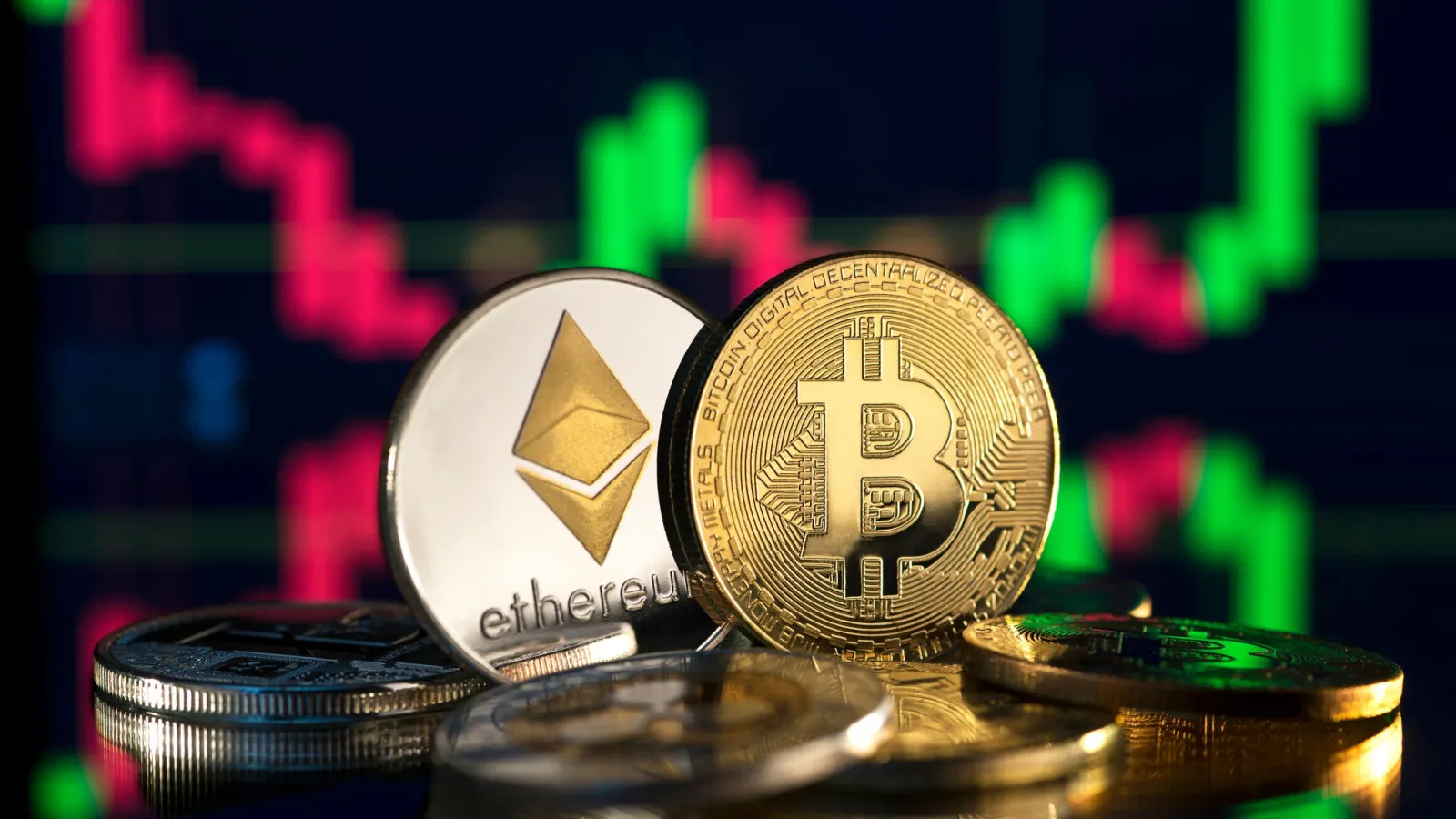
Photo: Decrypt
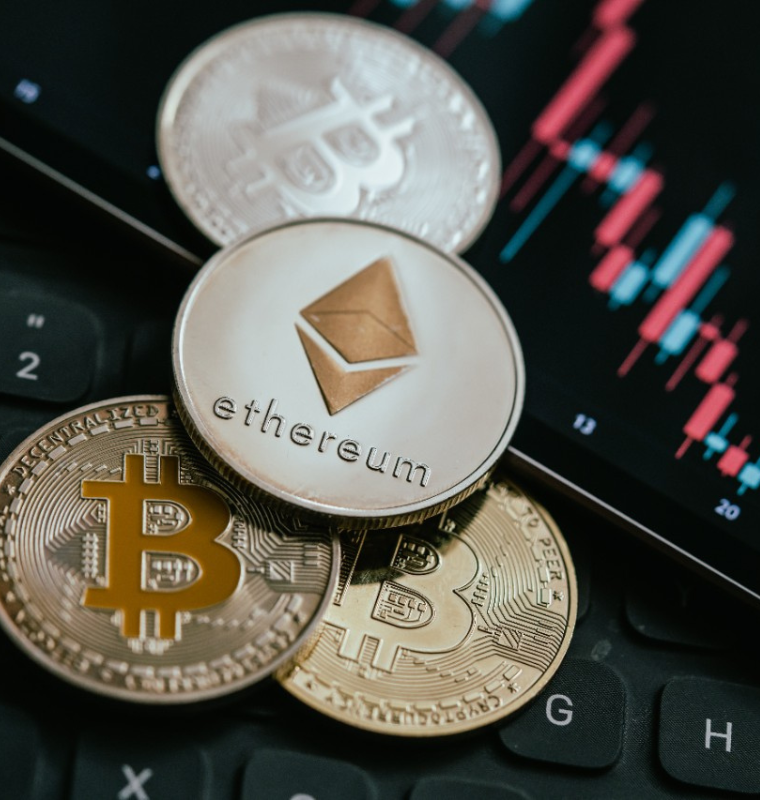
The cryptocurrency market entered June on a cautious note as both Bitcoin and Ethereum faced renewed selling pressure, leading to a weaker start for the month than many investors had anticipated. After months of optimism fueled by institutional adoption, growing interest in digital asset investment products, and expectations of continued market expansion, traders found themselves navigating a far more uncertain environment.
The decline in the two largest cryptocurrencies has sparked widespread discussion across financial markets. Investors are increasingly attempting to understand whether the weakness represents a temporary correction or the beginning of a broader period of consolidation. While cryptocurrency markets have historically experienced significant volatility, the combination of geopolitical concerns, shifting investor sentiment, and continued capital outflows has created a challenging backdrop for digital assets.
A Difficult Start to a New Month
The beginning of any month often carries symbolic importance for financial markets. Investors use these periods to reassess strategies, evaluate economic conditions, and position portfolios for upcoming opportunities. June began with expectations that Bitcoin and Ethereum might continue building on gains recorded during previous months.
Instead, both assets encountered resistance as buyers became more cautious. Trading volumes reflected a growing sense of uncertainty, with many market participants choosing to wait for clearer signals before increasing exposure. The result was a weaker market environment that affected not only Bitcoin and Ethereum but also many alternative digital assets.
The development highlights how quickly sentiment can change within the cryptocurrency sector, where confidence and risk appetite often play critical roles in determining short term market direction.
Geopolitical Concerns Influence Investor Behavior
Global events continue to have a significant impact on financial markets, including cryptocurrencies. Investors around the world closely monitor geopolitical developments because uncertainty can affect economic growth, investment flows, and overall market stability.
Periods of geopolitical tension often encourage investors to adopt more defensive positions. Rather than seeking high growth opportunities, many prioritize capital preservation and reduce exposure to assets perceived as carrying elevated risk.
Although cryptocurrencies have sometimes been promoted as alternatives to traditional financial systems, they remain heavily influenced by investor sentiment. When uncertainty increases on a global scale, digital assets frequently experience the same risk reduction behavior seen across equities and other growth oriented investments.
ETF Outflows Continue to Raise Questions
One of the most closely watched trends in recent weeks has been the movement of capital out of cryptocurrency investment products. Exchange traded funds tied to digital assets have become important indicators of institutional sentiment, making their performance particularly significant.
When funds experience sustained outflows, investors often interpret the trend as a sign that large market participants are becoming more cautious. These withdrawals can create additional selling pressure if fund managers need to adjust holdings to accommodate redemption requests.
The continued outflow trend has therefore become an important factor influencing market psychology. Even when fundamental developments remain positive, declining fund participation can weigh heavily on investor confidence.
Bitcoin Faces Renewed Market Scrutiny
As the largest cryptocurrency by market value, Bitcoin frequently serves as the primary indicator of overall market health. Its performance often influences sentiment across the entire digital asset ecosystem.
Recent weakness has prompted analysts to reevaluate near term expectations. Some believe Bitcoin is simply undergoing a healthy correction after an extended period of gains. Others argue that broader economic conditions may continue limiting upside momentum in the weeks ahead.
Despite differing opinions regarding short term price action, few observers dispute Bitcoin's importance within the cryptocurrency landscape. Every major move in the asset tends to attract attention from institutional investors, regulators, financial media, and retail traders alike.
Ethereum Navigates Its Own Challenges
Ethereum has also faced pressure as investors reassess market conditions. While the blockchain continues to serve as a foundation for decentralized finance applications, digital collectibles, tokenized assets, and numerous blockchain based services, price performance has reflected broader market caution.
Investors remain interested in Ethereum's long term technological development, but short term trading activity has become increasingly sensitive to macroeconomic conditions and overall cryptocurrency sentiment.
The asset's performance illustrates how even projects with strong ecosystems and substantial adoption can experience volatility when broader market confidence weakens.
Institutional Investors Adopt a More Careful Approach
Institutional participation has become one of the defining characteristics of the modern cryptocurrency market. Large financial organizations now play a greater role in shaping market dynamics than at any previous point in the industry's history.
As economic uncertainty persists, many institutions appear to be taking a more measured approach toward risk management. Portfolio adjustments, diversification efforts, and capital preservation strategies have influenced investment decisions across multiple asset classes.
This cautious stance does not necessarily indicate a rejection of cryptocurrency. Instead, it reflects a broader effort to navigate uncertain conditions while maintaining flexibility for future opportunities.
Alternative Cryptocurrencies Feel the Impact
When Bitcoin and Ethereum experience weakness, smaller digital assets often face even greater pressure. Many investors view alternative cryptocurrencies as higher risk investments, making them particularly sensitive during periods of market uncertainty.
Several major alternative tokens recorded declines alongside the broader market. Trading activity became more selective as investors focused on quality projects and reduced exposure to speculative positions.
This pattern is common during corrective phases, as capital tends to flow toward established assets before eventually returning to higher risk segments of the market.
Market Participants Search for Positive Catalysts
Despite recent weakness, investors continue searching for developments that could restore momentum. Regulatory clarity, increased institutional participation, technological innovation, and improved economic conditions are among the factors frequently cited as potential catalysts.
Many analysts believe cryptocurrency markets remain highly responsive to new information. Positive developments can rapidly improve sentiment and attract fresh capital, particularly when investors view current valuations as attractive.
As a result, traders continue monitoring both industry specific events and broader economic trends for signs of improving market conditions.
Long Term Adoption Story Remains Intact
Although short term price movements often dominate headlines, many supporters of digital assets emphasize the importance of focusing on long term adoption trends. Cryptocurrency infrastructure continues expanding, institutional awareness continues growing, and blockchain technology remains an active area of innovation.
Major financial institutions, technology companies, and investment firms are still exploring opportunities within the digital asset ecosystem. These ongoing developments suggest that the broader transformation of digital finance continues despite temporary market fluctuations.
For long term investors, periods of volatility are often viewed as part of the natural maturation process of an emerging asset class.
The Importance of Market Patience
Experienced investors frequently emphasize patience during uncertain periods. Cryptocurrency markets have historically moved through cycles of optimism, correction, consolidation, and renewed growth.
While short term weakness can create anxiety, market history demonstrates that sentiment often changes more quickly than expected. Successful navigation of volatile environments typically requires disciplined decision making rather than emotional reactions.
The current environment presents challenges, but it also offers opportunities for investors willing to focus on long term fundamentals rather than daily price fluctuations.
Bitcoin and Ethereum's weak start to June reflects a combination of geopolitical concerns, ongoing investment fund outflows, and cautious market sentiment. These factors have created a more challenging environment for digital assets at a time when many investors had hoped for renewed momentum.
Despite the recent decline, the broader cryptocurrency industry continues evolving through institutional adoption, technological advancement, and expanding global awareness. While uncertainty remains a defining feature of the current market landscape, long term interest in digital assets has not disappeared.
The coming weeks will be crucial in determining whether recent weakness represents a temporary setback or a longer period of consolidation. For now, investors remain focused on economic developments, capital flows, and signs that confidence may begin returning to the cryptocurrency market.

Popular articles



Subscribe to unlock premium content
Imran Khan’s Economic Missteps Amid Political Chaos in Pakistan

The Philippines’ Digital Shift How Remittances and BPO Are Fueling Growth

Is the Era of Globalization Over or Just Evolving?
Imran Khan’s Economic Missteps Amid Political Chaos in Pakistan
The Philippines’ Digital Shift How Remittances and BPO Are Fueling Growth
Imran Khan’s Economic Missteps Amid Political Chaos in Pakistan