Crypto Markets Take a Year-End Pause as Equities Rally
By
Rachel Steinberg
Last updated:
December 22, 2025
First Published:
December 22, 2025

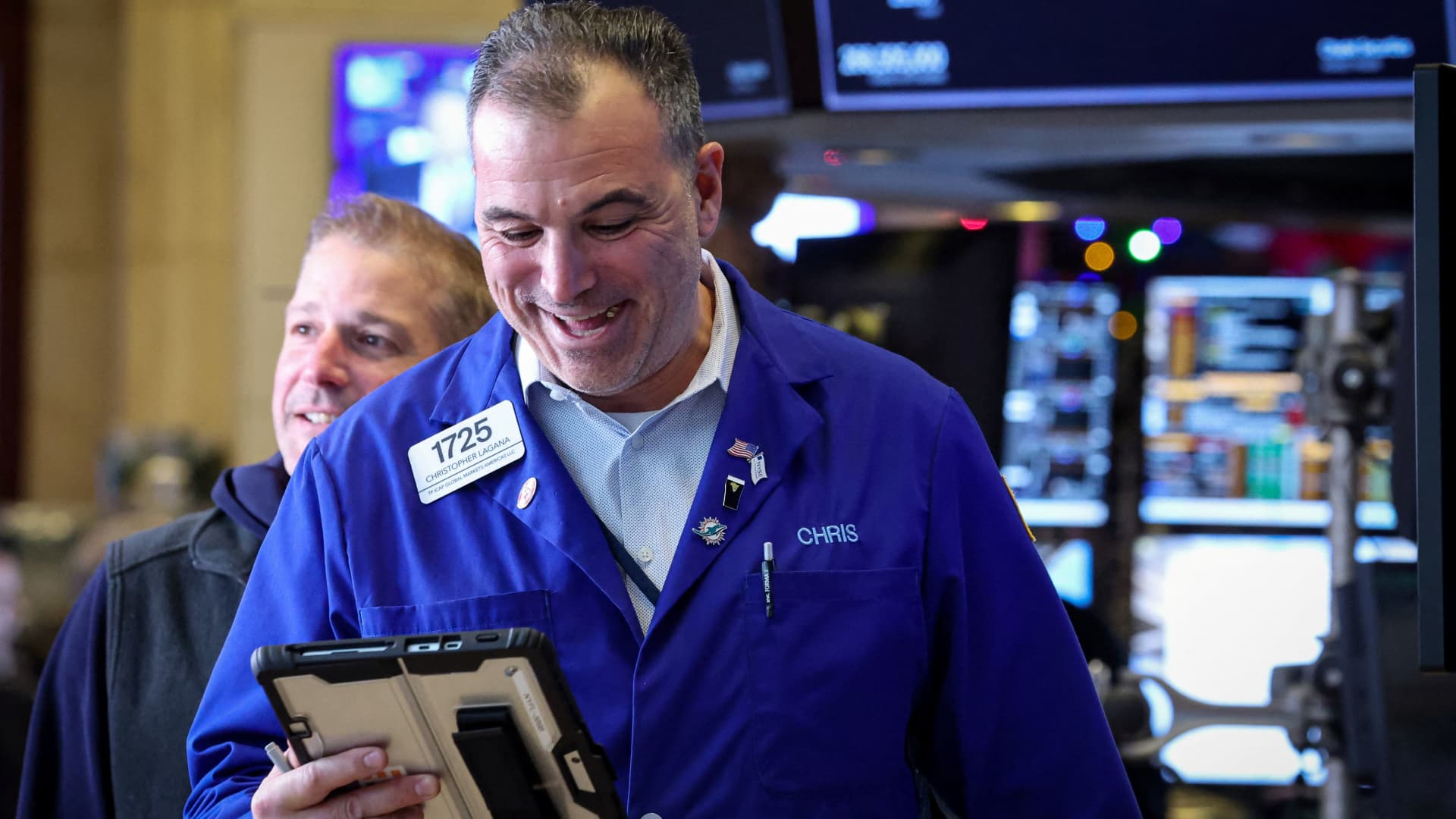
Photo: CNBC
A Calm Before the New Year
As the end of 2025 approaches, cryptocurrency markets have entered a period of consolidation. Following several months of high volatility and rapid price movements across major tokens, trading volumes have moderated. Investors appear to be repositioning their portfolios ahead of the holidays while awaiting clarity on macroeconomic trends and regulatory developments.
Influence of Equities on Crypto
Equities markets have shown a notable rally during this period, which has had a stabilizing effect on risk assets, including cryptocurrencies. Investors often adjust their allocations based on cross-market dynamics, and the strong performance in traditional markets has contributed to measured activity in crypto trading, reflecting a cautious but confident investor sentiment.
Liquidity Normalization Across Exchanges
Trading volumes across major exchanges have declined compared to mid-year peaks. This normalization allows for smoother price discovery and reduces the impact of large individual trades on token prices. Exchanges have noted that this is typical during holiday periods when institutional players adjust their positions and retail trading slows.
Volatility Eases, But Risks Remain
Although market fluctuations have slowed, volatility remains higher than historical averages. Cryptocurrencies continue to respond to external events, regulatory announcements, and macroeconomic indicators. The current pause provides an opportunity for investors to assess risk and for projects to evaluate performance without the pressure of extreme short-term price swings.
Investor Sentiment Shifts Toward Stability
Surveys and on-chain data indicate a shift in investor sentiment toward risk management and long-term holding. Portfolio diversification and hedging strategies are increasingly prioritized, highlighting a maturing market that balances speculative activity with institutional considerations.
Year-End Rebalancing and Tax Planning
The end of the year prompts rebalancing across portfolios, particularly for institutional investors. Tax considerations and reporting requirements influence trading behavior, contributing to lighter activity in the market. This effect is compounded by holiday schedules in major financial centers, further dampening volatility.
Implications for Retail Investors
Retail participants often mirror institutional trends, and the current consolidation phase encourages measured trading. While opportunities for rapid gains are limited during pauses, investors are using this period to research projects, evaluate fundamentals, and prepare for potential market movements in the new year.
Developments in DeFi and Stablecoins
Decentralized finance platforms have also experienced moderate activity levels. Stablecoin transactions continue at steady rates, reflecting ongoing demand for liquidity management and payment functions. The relative calm provides platforms with the chance to implement upgrades and security enhancements ahead of anticipated growth in 2026.
Market Signaling and Strategic Planning
Market consolidation offers a valuable signal for long-term planning. Projects, investors, and institutions can assess resilience, liquidity, and capital allocation without the distraction of extreme daily swings. This period of reflection may lead to more strategic decision-making and informed entry points when markets resume higher activity levels.
Outlook for Early 2026
Looking ahead, analysts anticipate that crypto markets will resume momentum in line with macroeconomic developments, technological innovations, and regulatory clarity. The year-end pause is not a sign of weakness but rather a natural consolidation that sets the stage for more sustainable growth in the coming year. Investors and institutions alike are likely to approach 2026 with renewed strategies grounded in the lessons of 2025.

Popular articles



Subscribe to unlock premium content
Disney’s Timeless Magic and How the Entertainment Giant Continues to Shape Culture and Innovation

Imran Khan’s Economic Missteps Amid Political Chaos in Pakistan
The Philippines’ Digital Shift How Remittances and BPO Are Fueling Growth

Disney’s Timeless Magic and How the Entertainment Giant Continues to Shape Culture and Innovation
Imran Khan’s Economic Missteps Amid Political Chaos in Pakistan
Disney’s Timeless Magic and How the Entertainment Giant Continues to Shape Culture and Innovation