Crypto Markets Decline as Global Risk Appetite Falls
By
Augusta Parker
Last updated:
April 2, 2026
First Published:
April 2, 2026

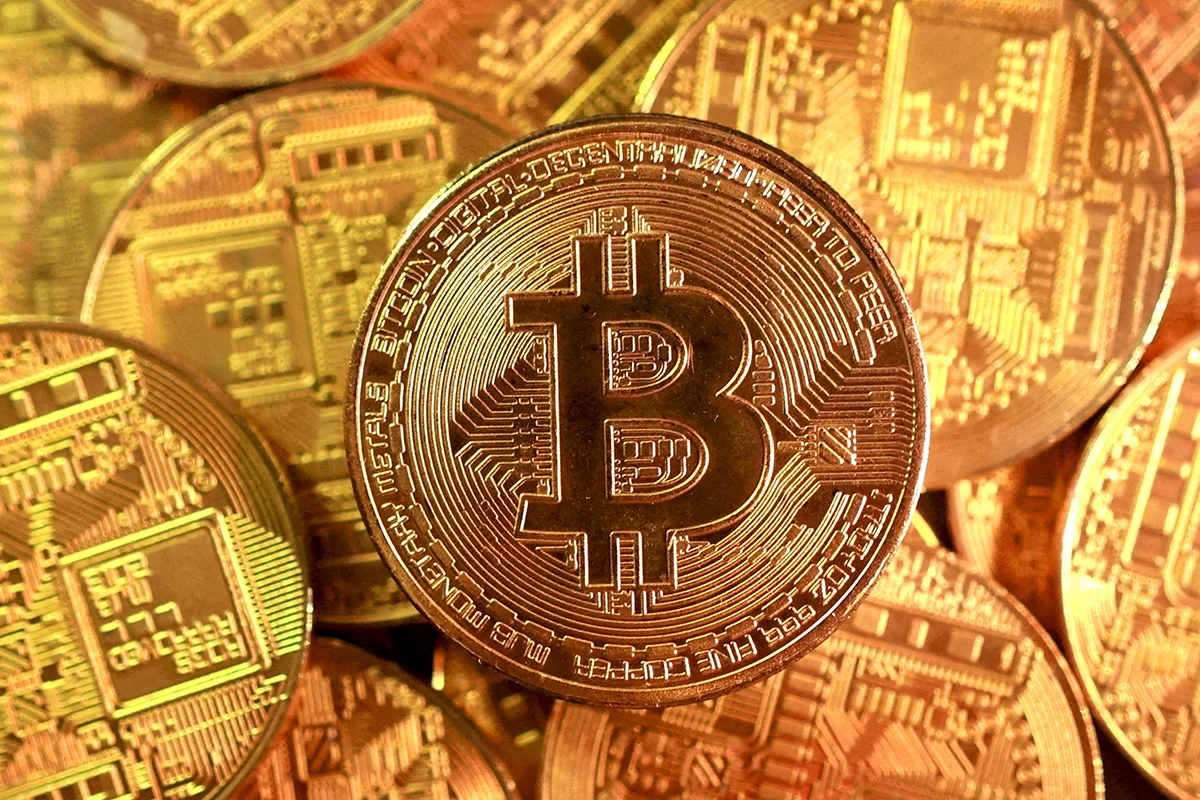
Photo: Arabian Business
Cryptocurrency markets continued their downward trajectory today as global risk appetite weakened due to ongoing geopolitical conflicts and economic uncertainty. Investors are increasingly cautious, moving away from high-risk assets and seeking safer investment options. This cautious sentiment has been reflected in falling prices for Bitcoin, Ethereum, and other major digital assets.
Heightened Volatility Across Assets
The retreat from risk has amplified volatility across the cryptocurrency sector. Many digital assets experienced double-digit swings within a single trading session, signaling that market participants are reacting quickly to external events rather than fundamentals. This rapid movement has created a challenging environment for traders and investors alike.
Bitcoin Leads the Decline
Bitcoin, the largest and most influential cryptocurrency, has fallen noticeably, dragging other cryptocurrencies along. Analysts point out that Bitcoin often serves as a benchmark for market confidence. When it experiences significant declines, altcoins and smaller tokens typically follow suit, as investor sentiment shifts broadly across the sector.
The Impact on Altcoins
Ethereum, Binance Coin, Cardano, and several other prominent cryptocurrencies also faced downward pressure. The correlation between Bitcoin and other digital assets remains strong, emphasizing that market sentiment is the driving factor rather than isolated technical issues. Altcoin investors are particularly sensitive to market-wide declines, resulting in heightened trading activity and volatility.
Speculative Trading Amplifies Market Moves
Speculative trading is contributing to the speed and severity of market fluctuations. As prices decline, margin calls and forced liquidations can create a cascading effect that accelerates downward momentum. Short-term traders must navigate these conditions carefully, as sudden reversals are possible once market sentiment stabilizes.
Global Conflicts Influence Market Psychology
Ongoing conflicts and political tensions around the world have played a key role in weakening investor confidence. Uncertainty about economic stability and the potential impact on global markets has caused many investors to reallocate capital to safer assets. Cryptocurrency, despite its potential as a hedge against traditional financial markets, has not been immune to these pressures.
Institutional Reactions
Institutional investors are monitoring market conditions closely. Some firms are reducing cryptocurrency exposure to mitigate risk, while others view the current decline as a potential entry point for strategic investments. Institutional behavior often sets the tone for retail investors, influencing overall market sentiment and liquidity.
Liquidity and Trading Volumes
Trading volumes have surged as investors adjust their positions, reflecting both panic selling and opportunistic buying. While market liquidity remains sufficient to handle moderate shocks, persistent uncertainty could strain order books and exacerbate price swings. Exchanges are actively managing trading environments to ensure orderly transactions.
Strategic Approaches in Unstable Markets
For investors navigating the current landscape, adopting disciplined strategies is critical. Diversification, risk management, and measured investment decisions are essential to withstand volatility. Understanding the broader geopolitical and economic context can help investors maintain perspective during periods of rapid market shifts.
The continued slide of cryptocurrency markets highlights the influence of global risk appetite on investor behavior. While short-term volatility remains high, long-term prospects for digital assets remain grounded in technological innovation and adoption trends. Investors are advised to balance caution with strategic positioning, recognizing that cryptocurrency markets are sensitive to both global events and internal market dynamics.

Popular articles



Subscribe to unlock premium content
Disney’s Timeless Magic and How the Entertainment Giant Continues to Shape Culture and Innovation

Imran Khan’s Economic Missteps Amid Political Chaos in Pakistan

The Philippines’ Digital Shift How Remittances and BPO Are Fueling Growth

Disney’s Timeless Magic and How the Entertainment Giant Continues to Shape Culture and Innovation
Imran Khan’s Economic Missteps Amid Political Chaos in Pakistan
Disney’s Timeless Magic and How the Entertainment Giant Continues to Shape Culture and Innovation