Crypto Industry Leaders Engage Senators on Market Structure Reform

Crypto Industry Leaders Engage Senators on Market Structure Reform
By
Leah Rosenfeld
Last updated:
December 18, 2025
First Published:
December 18, 2025

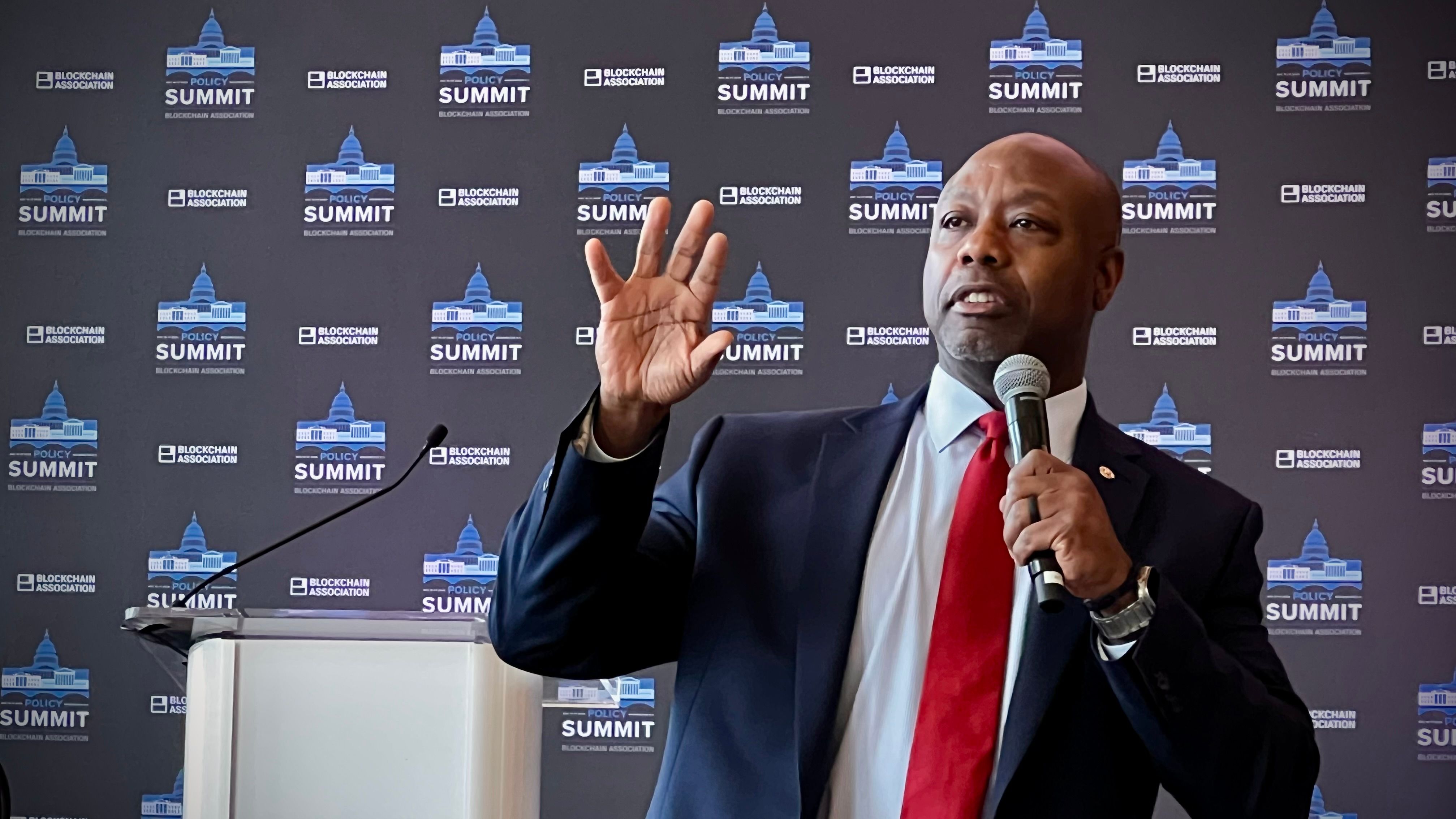
Photo: CoinDesk
High level discussions between cryptocurrency industry insiders and key United States senators are underway to address the structure of digital asset markets. These meetings reflect a growing recognition that the future of cryptocurrency will be shaped as much by policy as by technology. Industry leaders are seeking to influence legislation while offering practical insights from the front lines of innovation.
Understanding the Market Structure Bill
The proposed market structure bill aims to clarify operational, trading, and compliance standards for cryptocurrency exchanges and other market participants. Lawmakers hope to create a framework that ensures transparency, reduces systemic risk, and enhances investor protection without stifling innovation. The discussions are intended to balance regulatory certainty with the flexibility needed in a rapidly evolving market.
Role of Industry Stakeholders
Executives and technical experts from major exchanges, fintech firms, and blockchain projects have been actively engaging lawmakers. Their input provides a ground level view of the challenges and opportunities inherent in digital asset markets. By participating directly, these stakeholders hope to influence policy in a way that promotes sustainable growth and practical compliance measures.
Transparency and Compliance Priorities
One of the central topics of negotiation is the establishment of transparent trading practices. Lawmakers are particularly focused on ensuring that exchanges provide clear reporting and safeguard user assets. Industry representatives are highlighting best practices and proposing realistic mechanisms for oversight that can be implemented without slowing innovation.
Investor Protection Measures
Consumer protection remains a critical element of the discussions. Legislators are exploring ways to enforce accountability on trading platforms while offering sufficient safeguards for individual investors. Industry participants are advocating for frameworks that balance risk management with market accessibility, aiming to prevent fraud and market manipulation without discouraging legitimate trading.
Implications for Exchange Operations
If implemented, the legislation could require exchanges to adjust operational models, adopt enhanced monitoring tools, and implement standardized reporting systems. These changes may increase compliance costs but also enhance credibility. Exchanges that proactively align with the new standards may benefit from higher institutional participation and increased consumer trust.
Balancing Innovation with Regulation
The discussions highlight the ongoing challenge of fostering innovation while ensuring legal and financial safeguards. Industry leaders are emphasizing that overly restrictive measures could hinder technological development. Senators appear receptive to proposals that support innovation while minimizing systemic risk, creating an opportunity for collaborative policymaking.
Market Confidence and Stability
Successful implementation of the proposed framework could strengthen market confidence. Clear rules and predictable oversight reduce uncertainty for investors and institutions alike. A well designed structure can contribute to liquidity, reduce volatility, and attract broader participation from global financial players.
Global Implications
United States regulatory approaches often influence policies in other regions. The outcomes of these discussions could set a precedent for international market practices, encouraging other jurisdictions to adopt similar frameworks. This could ultimately foster greater alignment and interoperability across digital asset markets worldwide.
The Road Ahead
While the bill is still under negotiation, these consultations represent a proactive approach to shaping the regulatory environment. Collaboration between lawmakers and industry experts may result in a balanced framework that supports both innovation and market integrity. The success of these efforts will likely define the next phase of digital asset adoption in the United States.

Popular articles



Subscribe to unlock premium content
Disney’s Timeless Magic and How the Entertainment Giant Continues to Shape Culture and Innovation

Imran Khan’s Economic Missteps Amid Political Chaos in Pakistan

The Philippines’ Digital Shift How Remittances and BPO Are Fueling Growth

Disney’s Timeless Magic and How the Entertainment Giant Continues to Shape Culture and Innovation
Imran Khan’s Economic Missteps Amid Political Chaos in Pakistan
Disney’s Timeless Magic and How the Entertainment Giant Continues to Shape Culture and Innovation