Crypto Boom and Regulatory Bust: Shrinking US Oversight Sparks Market Concerns

Crypto Boom and Regulatory Bust: Shrinking US Oversight Sparks Market Concerns
By
Rachel Steinberg
Last updated:
February 23, 2026
First Published:
February 23, 2026


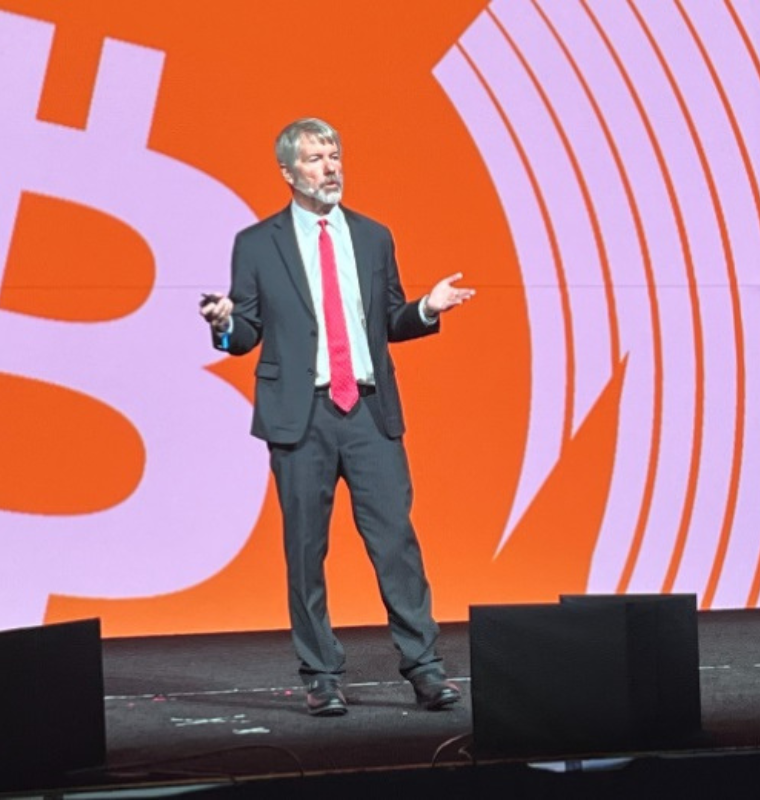
Photo: IvestX
US Crypto Regulation Faces Resource Challenges
The cryptocurrency industry in the United States is experiencing a paradoxical phase. While digital asset adoption and trading activity continue to grow, government oversight has seen a reduction in workforce and resources allocated to monitoring the sector. Analysts warn that this shrinking regulatory capacity could have far-reaching implications for both domestic and international markets, raising concerns about compliance, security, and investor protection.
Impact on Investor Confidence
Investors often look to regulatory clarity as a foundation for confidence. With fewer enforcement personnel and reduced oversight, market participants may feel less secure about the transparency and fairness of exchanges and trading platforms. This environment can lead to heightened volatility as traders navigate a landscape where regulatory intervention may be delayed or inconsistent.
Global Implications of US Regulatory Gaps
The United States has traditionally set standards that influence global cryptocurrency markets. Reduced supervision domestically may ripple across international platforms, particularly those that serve US-based investors or adhere to US compliance norms. Other jurisdictions may need to adjust their own monitoring and enforcement strategies in response to gaps in US oversight.
Challenges for Exchanges and Service Providers
Cryptocurrency exchanges and service providers may face a dual challenge. On one hand, lighter regulatory pressure might reduce immediate compliance burdens, but on the other, it could increase the risk of fraud, hacking, and operational mismanagement. Companies must balance the opportunity to innovate freely with the responsibility to maintain trust and safeguard investor assets.
Heightened Role of Self-Regulation
In the absence of robust governmental supervision, self-regulatory measures have gained prominence. Exchanges and financial service providers are implementing internal audit processes, transaction monitoring, and risk management protocols to fill gaps. The effectiveness of these systems can significantly influence the perception of market reliability and investor trust.
Market Volatility and Speculative Activity
Reduced oversight often correlates with periods of elevated speculative activity. Traders may engage in high-risk strategies, driven by the belief that regulatory consequences are unlikely or delayed. While this can create opportunities for short-term gains, it also introduces significant systemic risk, particularly for retail investors who may lack sophisticated risk management tools.
Regulatory Uncertainty and Innovation
Ironically, reduced enforcement resources can also spur innovation. Some cryptocurrency firms are experimenting with new products, services, and financial instruments that may have faced stricter scrutiny under traditional oversight models. However, the long-term viability of these innovations depends on eventual regulatory engagement and the ability of firms to maintain operational integrity.
Investor Strategies in a Loosely Regulated Environment
Market participants are adjusting their strategies to account for uncertainty. Diversification, careful due diligence, and reliance on reputable service providers have become increasingly critical. Investors are also paying closer attention to on-chain metrics and decentralized analytics tools to independently assess risk in the absence of consistent oversight.
Potential for Future Regulatory Action
Despite the current resource limitations, industry experts expect renewed regulatory focus in the future. Congressional attention, market incidents, or high-profile fraud cases could trigger increased funding and enforcement, altering the landscape once again. Firms and investors are thus preparing for both the opportunities and challenges of a dynamic regulatory environment.

Popular articles



Subscribe to unlock premium content
Disney’s Timeless Magic and How the Entertainment Giant Continues to Shape Culture and Innovation

Imran Khan’s Economic Missteps Amid Political Chaos in Pakistan

The Philippines’ Digital Shift How Remittances and BPO Are Fueling Growth

Disney’s Timeless Magic and How the Entertainment Giant Continues to Shape Culture and Innovation
Imran Khan’s Economic Missteps Amid Political Chaos in Pakistan
Disney’s Timeless Magic and How the Entertainment Giant Continues to Shape Culture and Innovation