
Bitcoin Network Activity Declines as Market Watches Saylor’s 100th BTC Purchase

Bitcoin Network Activity Declines as Market Watches Saylor’s 100th BTC Purchase
By
Leah Rosenfeld
Last updated:
February 23, 2026
First Published:
February 23, 2026

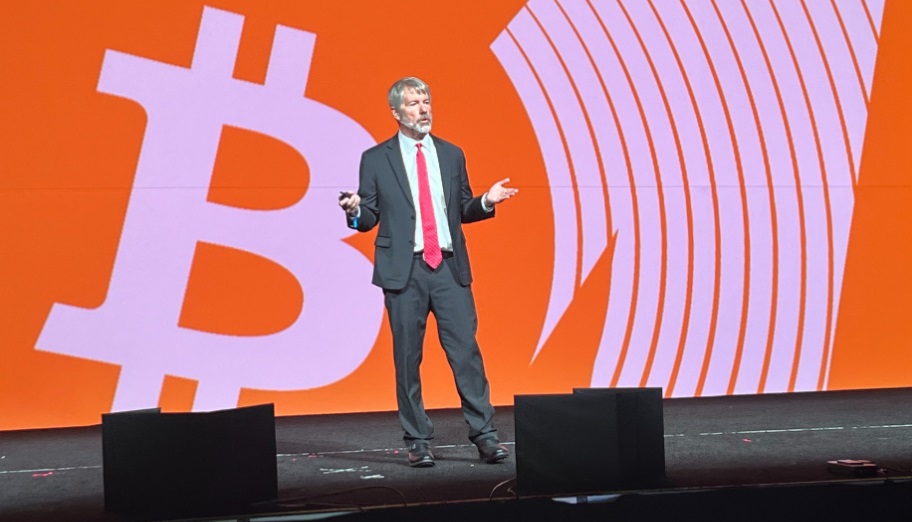
Photo: Altcoin Buzz
Bitcoin Faces a Period of Reduced Network Activity
Bitcoin, the flagship cryptocurrency, has experienced a notable decline in network activity, raising questions about its immediate market trajectory. Observers point to this slowdown as a potential indicator of reduced trading momentum and cautious investor sentiment. The news comes as Michael Saylor, executive chairman of Michael Saylor and a prominent Bitcoin advocate, approaches his anticipated 100th BTC purchase, a milestone that has drawn considerable attention from the cryptocurrency community.
Network Activity as a Market Indicator
Metrics such as transaction volume, active addresses, and hash rate are commonly used to gauge Bitcoin’s health and engagement. The recent drop in activity suggests that market participants are temporarily adopting a wait-and-see approach. Analysts note that while lower activity can indicate hesitation, it may also reflect consolidation before future growth or market movement.
Impact of Institutional Involvement
Saylor’s ongoing accumulation strategy has highlighted the influence of institutional actors on Bitcoin markets. Large-scale purchases by public companies or high-profile investors can generate significant attention and affect market sentiment. The anticipation of Saylor completing his 100th Bitcoin purchase is likely contributing to the cautious behavior observed among other traders and miners.
Short-Term Market Reactions
In response to reduced network activity, Bitcoin’s price has shown modest volatility. Traders are monitoring whether the dip in transactions will correspond with a temporary market correction or if it represents a natural phase in the broader market cycle. Analysts emphasize that short-term price movements are increasingly influenced by investor psychology and macroeconomic conditions.
Broader Cryptocurrency Market Trends
The slowdown in Bitcoin activity mirrors trends in other major cryptocurrencies, suggesting a synchronized period of lower engagement across the market. Ethereum and other leading digital assets have also experienced similar fluctuations, indicating that broader risk sentiment and external factors are playing a role in current market behavior.
Investor Strategies Amid Network Fluctuations
Market participants are adjusting strategies to account for changing network conditions. Long-term holders continue to accumulate, viewing current activity declines as an opportunity, while short-term traders are increasingly cautious. Hedging strategies, portfolio diversification, and close monitoring of on-chain indicators have become essential tools for navigating the current environment.
Regulatory Awareness and Market Confidence
Institutional investors are closely monitoring regulatory developments, which may further influence market behavior. Regulatory clarity and oversight can either enhance confidence or introduce additional caution, particularly for those executing large-scale trades. The combination of network metrics and regulatory signals forms a key part of market analysis for sophisticated investors.
Historical Context and Patterns
Bitcoin’s network has experienced similar periods of reduced activity during previous market cycles. Historical data shows that temporary declines often precede consolidation phases or subsequent price increases. Analysts are studying patterns of activity and market response to anticipate potential outcomes for both short-term and long-term investors.
Market Outlook and Potential Catalysts
The market is currently focused on upcoming institutional movements, including Saylor’s milestone acquisition. Other catalysts, such as macroeconomic announcements, technological upgrades, and network developments, are expected to influence both investor sentiment and transaction activity. Observers remain alert for signals that could indicate renewed momentum or further consolidation.
Popular articles



Subscribe to unlock premium content
Disney’s Timeless Magic and How the Entertainment Giant Continues to Shape Culture and Innovation

Imran Khan’s Economic Missteps Amid Political Chaos in Pakistan

The Philippines’ Digital Shift How Remittances and BPO Are Fueling Growth

Disney’s Timeless Magic and How the Entertainment Giant Continues to Shape Culture and Innovation
Imran Khan’s Economic Missteps Amid Political Chaos in Pakistan
Disney’s Timeless Magic and How the Entertainment Giant Continues to Shape Culture and Innovation


.png)