

CFTC Withdraws Outdated Crypto Rules to Modernize Oversight
By
Leah Rosenfeld
Last updated:
December 11, 2025
First Published:
December 11, 2025

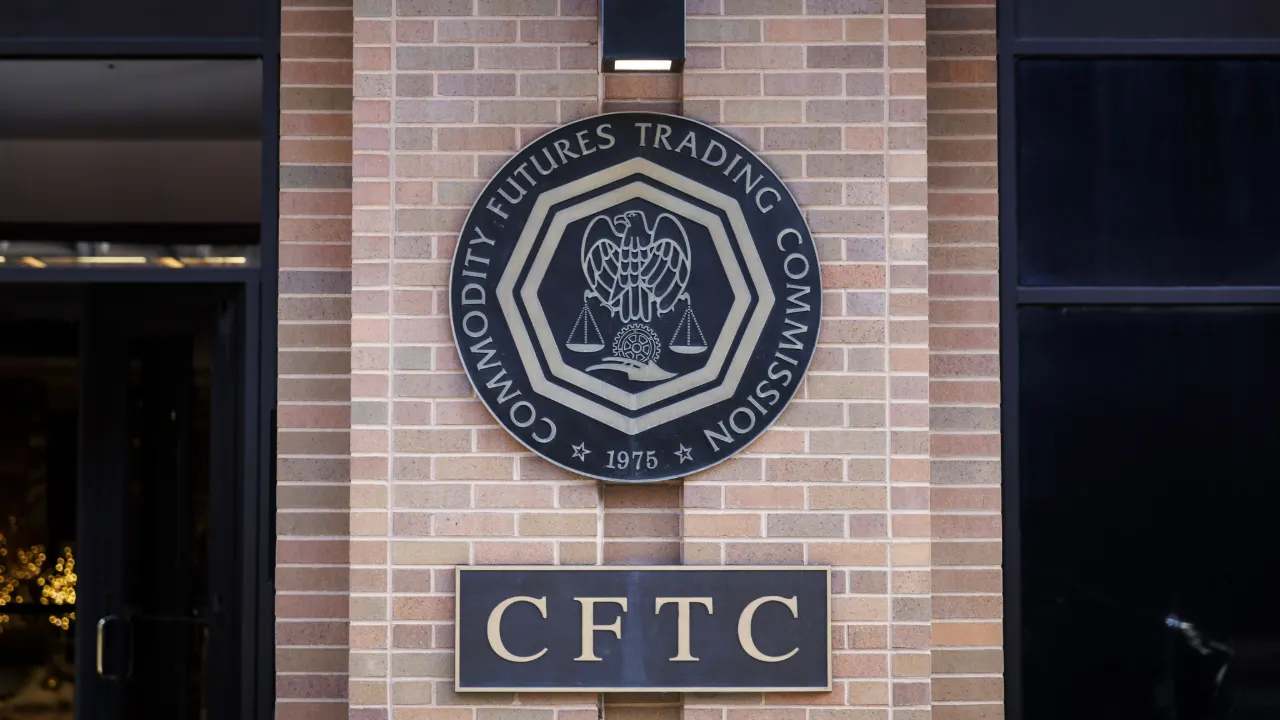
Photo: Fox Business
A significant regulatory recalibration begins
The withdrawal of outdated rules by the United States Commodity Futures Trading Commission represents an important step toward modernizing the regulatory environment governing digital assets. For years, the rapid development of crypto markets has outpaced legacy frameworks, creating gaps in oversight and inconsistencies in interpretation. The commissions latest decision signals a dedicated effort to refine its approach and build a structure better suited to the evolving digital economy.
Addressing the limitations of legacy frameworks
The older rules were built for traditional financial instruments that lacked the complexity and speed found in present day digital assets. As trading volumes increased and new asset classes emerged, the constraints of the original rulebook became more apparent. By removing outdated standards, the commission acknowledges that oversight must adapt to the unique attributes of blockchain based financial activity rather than attempting to fit modern technology into antiquated regulatory molds.
A foundation for more transparent market participation
Modernizing regulatory guidelines gives both retail and institutional participants clearer visibility into how the market operates. Many investors have withheld participation due to uncertainty around compliance expectations or inconsistent rule enforcement. The commissions recalibrated approach seeks to eliminate such uncertainty and provide a transparent pathway for market engagement. This clarity is expected to broaden participation while improving overall market stability.
Strengthening protections without restricting innovation
One of the core concerns within the crypto community has been the balance between investor protection and open innovation. The removal of outdated rules supports a more measured and informed regulatory style. It creates room for experimentation while maintaining safeguards that prevent misuse. The commission aims to promote responsible development that allows innovators to build new products without unnecessary barriers while ensuring that users remain protected.
How modernized oversight may influence exchange behavior
Exchanges operating within the United States now have a clearer understanding of the regulatory expectations tied to digital assets. Updated guidance influences listing standards, trading policies, collateral requirements, and compliance reporting. Platforms that were once cautious about offering certain digital products may reassess their strategies in light of a more predictable regulatory environment. This may lead to an increase in the variety and quality of trading options available to users.
Encouraging institutional adoption and strategic entry
Institutions have long viewed regulatory ambiguity as a major barrier to digital asset involvement. The modernization of rules creates a framework more compatible with institutional risk models and compliance systems. Firms that were previously hesitant may now explore crypto based derivatives, asset backed products, and structured investment strategies. This shift could introduce deeper liquidity and more sophisticated financial behavior within the broader crypto markets.
Supporting market integrity through modern compliance tools
The commission’s decision aligns with the growth of advanced regulatory technology solutions that track, analyze, and identify unusual market activity. These tools were not fully compatible with the old frameworks. The updated approach allows for better integration of monitoring systems, automated reporting, and sophisticated data analysis. Stronger market intelligence improves enforcement efficiency and strengthens confidence in the fairness of digital markets.
Preparing for new classes of digital financial instruments
Digital assets are evolving beyond simple tokens and trading pairs. New forms of synthetic assets, collateralized stable instruments, tokenized commodities, and blockchain based financial contracts require forward looking regulation. By retiring outdated rules, the commission prepares the regulatory landscape for more advanced instruments that may enter the market in the future. This establishes a regulatory runway that can accommodate significant innovation.
Increasing global competitiveness of the United States market
International markets have been developing comprehensive crypto regulatory frameworks at varying speeds. The modernization of guidelines by the commission positions the United States to remain competitive as a global hub for digital asset trading and financial innovation. A clearer and more adaptive rule structure may attract companies seeking stability and credibility, strengthening the nations influence within the global digital economy.
A long term restructuring of market governance
The withdrawal of outdated rules is more than a procedural update. It represents a fundamental restructuring of how digital asset oversight will function in the years ahead. The commissions actions reflect a recognition that the future of financial markets will be shaped by technology driven products and that effective governance must evolve alongside them. As new rules are developed, the market can anticipate an era defined by enhanced clarity, greater integrity, and a more resilient regulatory foundation.
Popular articles



Subscribe to unlock premium content
Disney’s Timeless Magic and How the Entertainment Giant Continues to Shape Culture and Innovation

Imran Khan’s Economic Missteps Amid Political Chaos in Pakistan

The Philippines’ Digital Shift How Remittances and BPO Are Fueling Growth

Disney’s Timeless Magic and How the Entertainment Giant Continues to Shape Culture and Innovation
Imran Khan’s Economic Missteps Amid Political Chaos in Pakistan
Disney’s Timeless Magic and How the Entertainment Giant Continues to Shape Culture and Innovation