Bitcoin’s November Crash Suggests Influence of Coordinated Hype and Leverage Over Pure Macro Shocks

Bitcoin’s November Crash Suggests Influence of Coordinated Hype and Leverage Over Pure Macro Shocks
By
Calder Monroe
Last updated:
December 8, 2025
First Published:
December 8, 2025

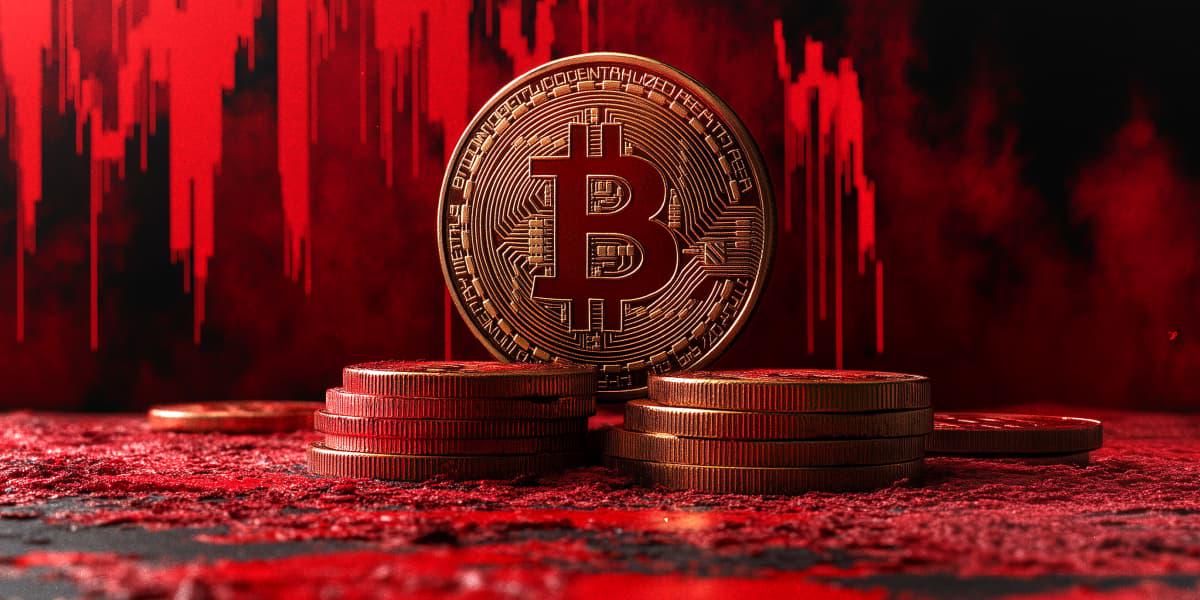
A Sudden Market Drop Raises Questions
Bitcoin experienced a sharp decline in November, catching the attention of traders and analysts worldwide. While macroeconomic indicators were volatile, a closer look suggests that the scale and timing of the crash may have been influenced more by coordinated market sentiment and leveraged trading than by external economic shocks alone.
The Role of Leveraged Positions
Leverage has long been a key factor in amplifying cryptocurrency price movements. Many retail and institutional traders use borrowed funds to increase exposure. When positions are concentrated at key price levels, even small shifts in sentiment can trigger cascades of liquidations. Analysis of on chain data indicates that leverage played a significant role in accelerating Bitcoin’s downward momentum during November.
Social Media and Coordinated Hype
Online communities and social media platforms have an outsized influence on crypto markets. Posts promoting certain narratives or creating urgency can trigger rapid buying or selling behaviour. Evidence suggests that waves of coordinated hype may have amplified volatility in November, causing sharp moves that were disproportionate to broader economic conditions.
Macro Shocks Were Present but Secondary
While interest rate expectations, inflation data and other macroeconomic indicators were relevant, they alone do not fully explain the intensity of the November decline. The interaction between sentiment driven trading and leveraged positions likely magnified the market response beyond what purely economic factors would suggest.
The Feedback Loop Between Leverage and Sentiment
Bitcoin’s crash illustrates a classic feedback loop. Initial price declines can trigger leveraged liquidations, which in turn feed social media discussions about a market downturn. This combination creates a self reinforcing cycle where prices fall faster and deeper than they would from fundamental news alone. Analysts argue that such dynamics are increasingly important in modern cryptocurrency markets.
Institutional Participation and Its Effect on Stability
Although institutional involvement often adds stability, it does not fully mitigate rapid swings during sentiment driven episodes. Some institutional players adjusted exposure to reduce risk during November, but the overall market still experienced significant volatility due to retail driven leverage and social media influence.
Liquidity Considerations During the Crash
Liquidity across exchanges is another factor that magnified the November decline. Thin order books at key price levels can accelerate price movement when large positions are liquidated. Analysts note that liquidity fragmentation across global platforms may have amplified the speed and depth of the crash.
Lessons for Traders and Investors
The November episode underscores the importance of risk management, particularly regarding leverage. Investors are reminded that even in the absence of extreme macro shocks, coordinated sentiment and leverage can trigger dramatic market movements. Awareness of these dynamics is essential for making informed decisions in a highly interconnected and volatile market.
Implications for Market Behaviour Going Forward
Understanding the interaction of hype, leverage, and macro factors can help participants anticipate potential future corrections. Analysts suggest monitoring social media sentiment, leverage concentrations, and on chain activity as indicators of market vulnerability. Such tools may provide early warnings before sudden price swings occur.
A Market Maturing Amid Volatility
Despite the severity of the crash, analysts view the market as maturing. Episodes like November reveal both the risks and the resilience of the ecosystem. Investors and institutions are becoming more sophisticated in navigating volatility, and this awareness may lead to more measured reactions in future cycles.

Popular articles



Subscribe to unlock premium content
Disney’s Timeless Magic and How the Entertainment Giant Continues to Shape Culture and Innovation

Imran Khan’s Economic Missteps Amid Political Chaos in Pakistan

The Philippines’ Digital Shift How Remittances and BPO Are Fueling Growth

Disney’s Timeless Magic and How the Entertainment Giant Continues to Shape Culture and Innovation
Imran Khan’s Economic Missteps Amid Political Chaos in Pakistan
Disney’s Timeless Magic and How the Entertainment Giant Continues to Shape Culture and Innovation