
Bitcoin Trades Sideways Near Sixty Six Thousand
By
David Goldfarb
Last updated:
March 30, 2026
First Published:
March 30, 2026

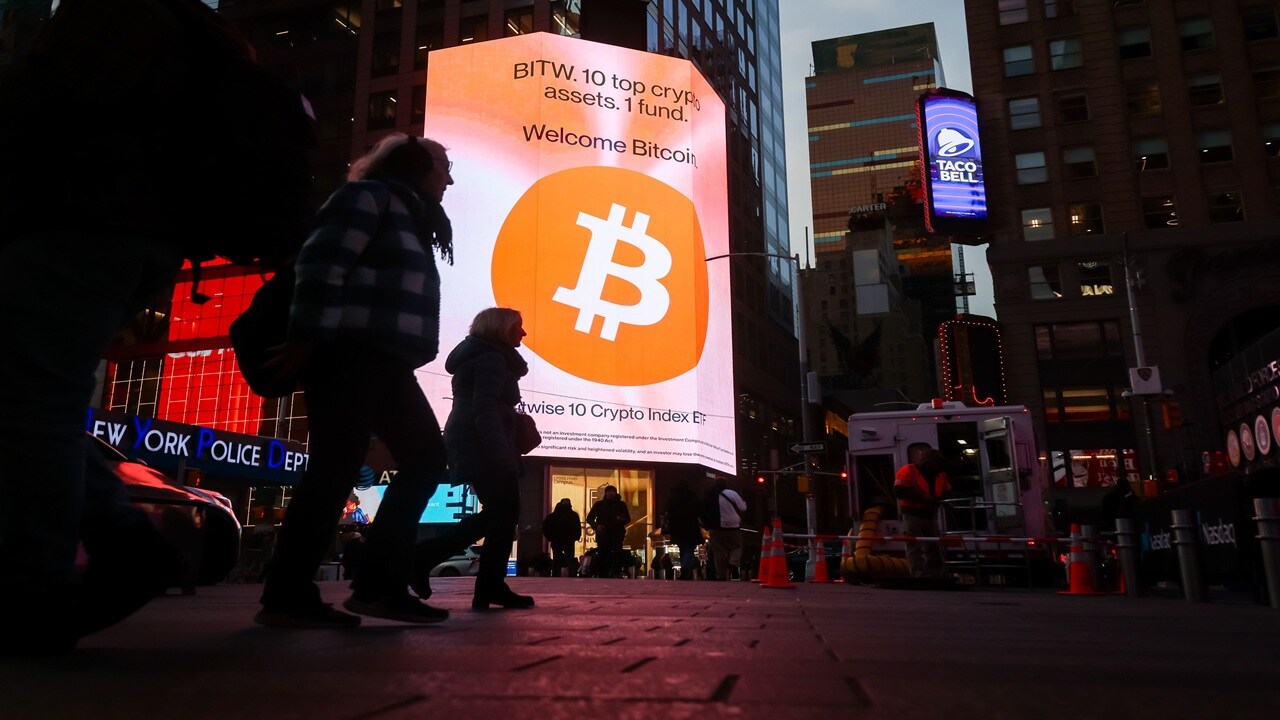
Bitcoin has been trading in a narrow range around sixty six thousand for several weeks, signaling a potential accumulation phase. Investors are closely observing this behavior as it suggests that both retail and institutional participants are gradually increasing their holdings rather than engaging in rapid selling.
The sideways movement indicates a balance between buyers and sellers. While some traders take profits from recent gains, others are taking the opportunity to accumulate Bitcoin at stable prices. This tug-of-war creates a consolidation period that often precedes significant price movements.
Institutional activity is particularly noticeable during this accumulation phase. Asset managers and hedge funds are strategically acquiring Bitcoin without triggering large price spikes. This deliberate approach reflects confidence in the long-term potential of the cryptocurrency while managing market risk.
Retail investors are also participating in the accumulation trend. Many view this period as an opportunity to enter the market without paying premiums that occur during surges. Online communities and trading platforms report heightened interest as individuals seek to position themselves before potential upward movements.
Market analysts emphasize that consolidation periods are critical for the health of the cryptocurrency ecosystem. They provide stability, reduce the likelihood of extreme swings, and allow time for investors to adjust strategies. These phases often precede strong bullish trends when confidence returns to the market.
The role of global economic factors cannot be overlooked. Inflation concerns, interest rate policies, and geopolitical events continue to influence investor behavior. Even during a sideways trading phase, Bitcoin remains sensitive to broader economic developments that may quickly shift market dynamics.
Liquidity across major exchanges has remained robust, supporting smooth trading despite price stagnation. High liquidity ensures that large transactions can occur without causing dramatic price swings, which is essential during periods of accumulation. This environment encourages both short-term and long-term participation.
Technological improvements in Bitcoin infrastructure are also reinforcing investor confidence. Advances in transaction efficiency, network security, and decentralized finance integration provide a stronger foundation for sustained market growth. These developments make accumulation more appealing as investors anticipate future adoption and use cases.
Psychological factors are equally important during this period. The perception of Bitcoin as a long-term asset encourages investors to hold rather than sell. Market sentiment reflects a cautious optimism, balancing the desire for gains with awareness of inherent volatility in the cryptocurrency sector.
In conclusion, Bitcoin trading sideways near sixty six thousand demonstrates a deliberate accumulation phase driven by both institutional and retail investors. This period of consolidation provides a foundation for future growth, reflecting the strategic behavior of market participants and the evolving dynamics of the cryptocurrency ecosystem. Investors who understand these patterns may find opportunities to strengthen their positions and prepare for the next phase of market movement.

Popular articles



Subscribe to unlock premium content
Disney’s Timeless Magic and How the Entertainment Giant Continues to Shape Culture and Innovation

Imran Khan’s Economic Missteps Amid Political Chaos in Pakistan

The Philippines’ Digital Shift How Remittances and BPO Are Fueling Growth

Disney’s Timeless Magic and How the Entertainment Giant Continues to Shape Culture and Innovation
Imran Khan’s Economic Missteps Amid Political Chaos in Pakistan
Disney’s Timeless Magic and How the Entertainment Giant Continues to Shape Culture and Innovation