Bitcoin Surges Past $66,000 as Geopolitical Breakthrough Ignites Global Market Optimism
By
Last updated:
June 15, 2026
First Published:
June 15, 2026

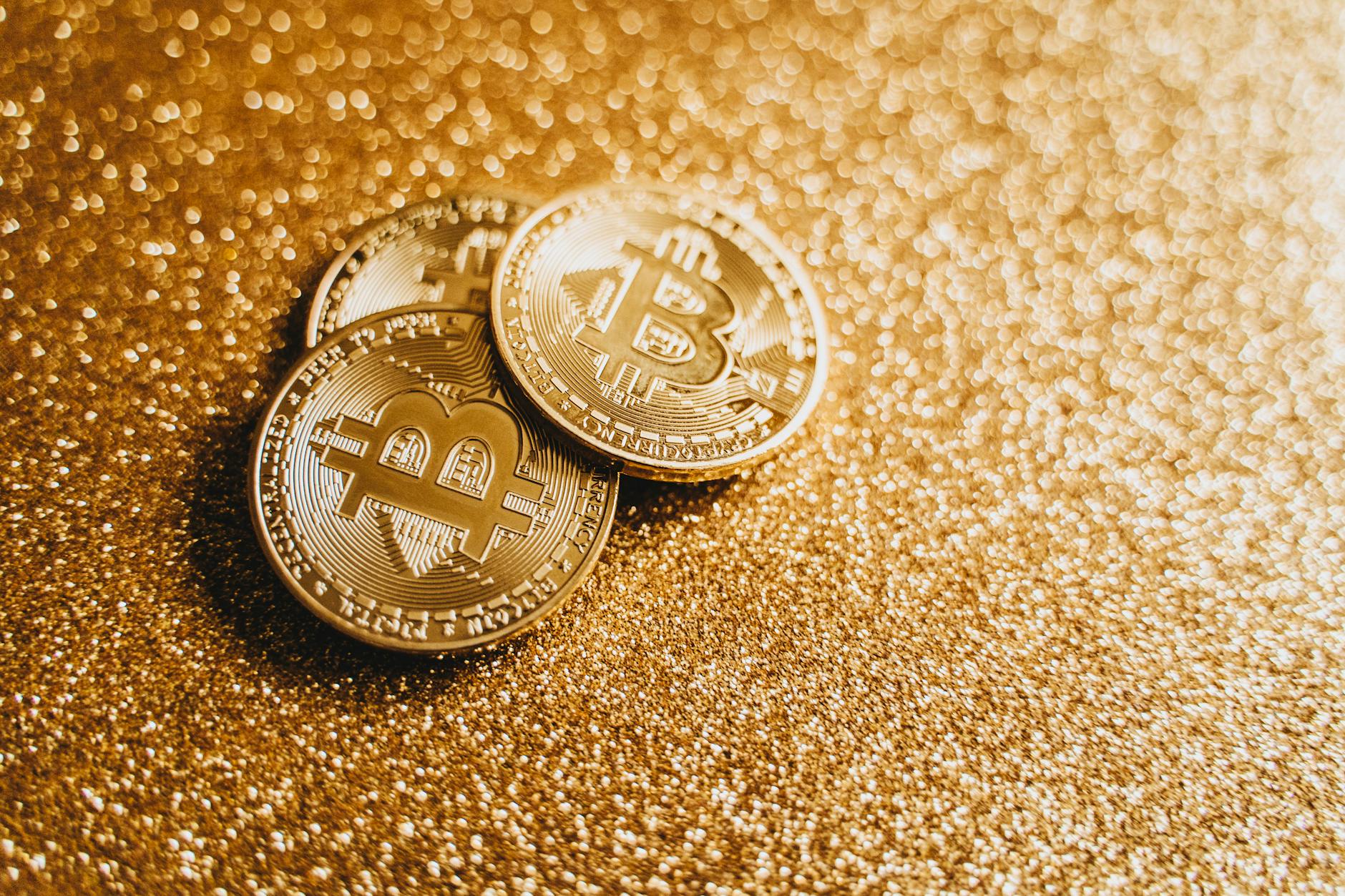
Photo: Kavout
Bitcoin has once again captured the attention of investors worldwide after climbing above the $66,000 mark, fueled by a wave of optimism spreading across global financial markets. The latest rally emerged following a significant diplomatic breakthrough between the United States and Iran, a development that eased concerns surrounding geopolitical tensions and encouraged investors to increase exposure to risk assets.
The cryptocurrency market, which has often reacted strongly to global economic and political events, responded almost immediately. As confidence returned to traditional financial markets, digital assets experienced a notable influx of capital. Bitcoin, the industry's flagship cryptocurrency, led the charge and quickly reclaimed levels that many analysts believed could take weeks to reach.
A Major Shift in Investor Sentiment
Market sentiment remains one of the most powerful forces influencing cryptocurrency prices. For much of the previous quarter, investors had been navigating uncertainty stemming from international conflicts, inflation concerns, and mixed economic indicators. During periods of uncertainty, many traders reduce exposure to volatile assets and seek safety in government bonds, cash holdings, or defensive investments.
The recent diplomatic progress changed that narrative. Investors interpreted the development as a positive sign for global stability. As fears surrounding energy markets and international trade began to ease, capital started flowing back into growth oriented investments, including cryptocurrencies.
Bitcoin benefited substantially from this renewed appetite for risk. Trading activity increased across major exchanges as both retail and institutional investors returned to the market with greater confidence.
Why Geopolitical Stability Matters for Bitcoin
Although Bitcoin was originally designed as an alternative financial system independent of governments and traditional institutions, its price has increasingly become connected to broader macroeconomic conditions.
When geopolitical tensions rise, investors often become cautious. Liquidity can decline, trading volumes may weaken, and risk assets frequently experience downward pressure. Conversely, when diplomatic solutions emerge and uncertainty decreases, investors are more willing to pursue assets that offer higher growth potential.
The latest price movement demonstrates how Bitcoin has matured into a globally recognized financial asset. While it maintains unique characteristics, it is no longer isolated from international developments. Instead, it often reflects shifts in investor psychology occurring throughout the wider financial ecosystem.
Institutional Investors Return to the Market
Another factor supporting Bitcoin's climb above $66,000 is the growing participation of institutional investors. Over the past several years, hedge funds, asset managers, pension funds, and publicly traded companies have steadily expanded their involvement in digital assets.
These institutions closely monitor geopolitical developments because such events influence capital allocation decisions. As global risks appeared to decline, many professional investors increased exposure to assets capable of delivering stronger returns.
Institutional demand tends to have a powerful impact on Bitcoin because large capital inflows can quickly absorb available supply. When combined with positive market sentiment, this demand often accelerates upward price momentum.
Trading Volumes Reflect Growing Enthusiasm
One of the clearest signs of a healthy rally is rising trading volume. Recent market data indicates a significant increase in buying activity across major cryptocurrency exchanges.
Higher trading volume suggests that the rally is being supported by a broad base of participants rather than a small group of speculative traders. Retail investors, professional funds, algorithmic trading firms, and long term holders all appear to be contributing to the market's renewed strength.
This broad participation is important because it can create a more sustainable foundation for future growth. Markets driven solely by speculation often experience rapid reversals, whereas rallies supported by widespread demand tend to demonstrate greater resilience.
Bitcoin Continues to Strengthen Its Position
The recent surge also reinforces Bitcoin's dominance within the cryptocurrency industry. While alternative digital assets have posted gains, Bitcoin remains the primary destination for investors entering the market.
Its established reputation, extensive liquidity, global recognition, and expanding institutional adoption continue to distinguish it from competing cryptocurrencies. During periods of renewed market confidence, Bitcoin frequently attracts the first wave of investment before capital spreads into other digital assets.
This pattern has been evident throughout multiple market cycles and appears to be repeating once again.
Impact on the Broader Cryptocurrency Ecosystem
Bitcoin's rise above $66,000 has generated positive momentum throughout the entire digital asset sector. Many major cryptocurrencies recorded gains as investors embraced a more optimistic outlook.
Blockchain projects, decentralized finance platforms, digital asset infrastructure providers, and cryptocurrency exchanges all benefited from the improved sentiment. Increased trading activity often leads to stronger revenues for exchanges while heightened investor engagement can attract additional funding to blockchain startups and emerging technologies.
The result is a reinforcing cycle where rising prices encourage participation, which in turn supports further innovation and investment across the industry.
Analysts Watch Key Resistance Levels
Despite the excitement surrounding the rally, analysts remain focused on several important price levels. Markets rarely move in a straight line, and periods of consolidation are common following significant advances.
Technical analysts are closely monitoring whether Bitcoin can maintain support above $66,000 while continuing to attract fresh capital. Sustained buying pressure could open the door for additional gains, while profit taking may create temporary pullbacks.
Regardless of short term fluctuations, the overall trend has strengthened considerably as investor confidence returns to global markets.
The Evolving Narrative Around Digital Assets
The latest rally highlights an important evolution in how cryptocurrencies are perceived. Bitcoin is increasingly viewed not merely as a speculative asset but as a recognized component of modern investment portfolios.
Financial institutions now publish research on digital assets, governments are developing regulatory frameworks, and corporations continue exploring blockchain based solutions. These developments have helped create a more mature environment that attracts a broader range of participants.
As a result, major geopolitical and economic events now influence cryptocurrency markets in ways that were less pronounced during Bitcoin's early years.
Looking Ahead
Bitcoin's climb beyond $66,000 represents more than a simple price milestone. It reflects changing investor attitudes, growing institutional involvement, and the increasing integration of digital assets into the global financial system.
While future market movements will depend on numerous factors, including economic data, monetary policy decisions, and geopolitical developments, the latest rally demonstrates that confidence remains a powerful catalyst for cryptocurrency growth.
For investors, the recent surge serves as another reminder that Bitcoin continues to occupy a central role in the evolving digital economy. As global markets respond to changing conditions, the world's largest cryptocurrency remains at the forefront of financial innovation and investment opportunity.

Popular articles



Subscribe to unlock premium content
Ripple and Bitso Expand Partnership as RLUSD Stablecoin Ecosystem Gains Momentum
Bybit Introduces Tokenized SpaceX IPO Shares in Landmark Real World Asset Initiative
Crypto Tax Debate Intensifies in Washington Over Mining and Staking Rewards
Ripple and Bitso Expand Partnership as RLUSD Stablecoin Ecosystem Gains Momentum
Bybit Introduces Tokenized SpaceX IPO Shares in Landmark Real World Asset Initiative
Ripple and Bitso Expand Partnership as RLUSD Stablecoin Ecosystem Gains Momentum