US Crypto Market Structure Bill Faces Delays as Industry Awaits Long Sought Regulatory Clarity

US Crypto Market Structure Bill Faces Delays as Industry Awaits Long Sought Regulatory Clarity
By
Rachel Steinberg
Last updated:
June 15, 2026
First Published:
June 15, 2026

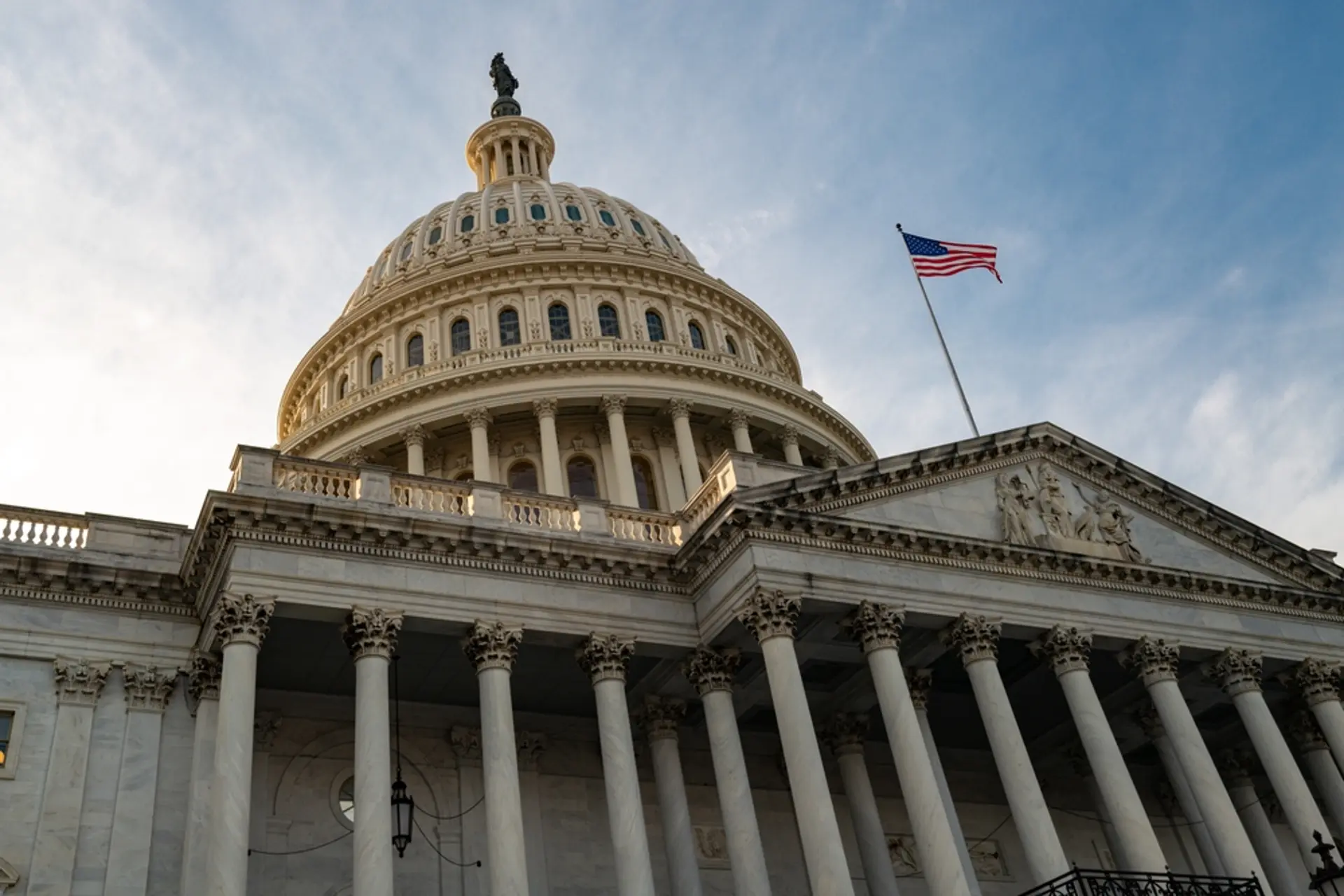
Photo: bloomingbit
The cryptocurrency industry is once again watching developments in Washington with intense interest as progress on a major United States crypto market structure bill faces delays. The proposed legislation, widely viewed as one of the most important regulatory initiatives in the history of digital assets, was expected to provide greater clarity regarding how cryptocurrencies, blockchain companies, exchanges, and digital asset service providers should operate within the world's largest financial market.
However, the latest delays have created uncertainty throughout the industry. Investors, entrepreneurs, financial institutions, and technology companies are now waiting to see when lawmakers will resume efforts to finalize a framework that many believe is necessary for the next phase of cryptocurrency growth.
While the digital asset industry has continued to expand despite regulatory ambiguity, many market participants argue that comprehensive legislation is essential for unlocking broader adoption and encouraging long term investment.
Why the Market Structure Bill Matters
The cryptocurrency industry has evolved rapidly over the past decade. What began as a niche technology experiment has developed into a global financial ecosystem involving exchanges, stablecoins, decentralized finance platforms, blockchain developers, institutional investors, and millions of individual users.
Despite this growth, many regulatory questions remain unresolved. Companies often face uncertainty regarding licensing requirements, compliance obligations, reporting standards, and the classification of various digital assets.
The proposed market structure bill was designed to address many of these concerns by establishing clearer rules governing cryptocurrency activities.
Supporters believe the legislation could create a more predictable operating environment while strengthening consumer protections and promoting responsible innovation.
The Industry's Long Search for Regulatory Certainty
For years, cryptocurrency companies have called for clearer regulatory guidance. Industry leaders frequently argue that uncertainty creates unnecessary challenges for businesses attempting to operate responsibly.
Without comprehensive legislation, companies often face overlapping interpretations from multiple government agencies. This can make compliance more complicated and increase operational costs.
Many blockchain entrepreneurs believe that a clear legal framework would allow companies to focus more resources on innovation rather than regulatory navigation.
The ongoing delays therefore represent more than a political issue. They directly affect strategic planning, investment decisions, and business development efforts throughout the digital asset sector.
Investors Closely Monitor Legislative Developments
Regulation has become one of the most important factors influencing cryptocurrency markets. Major legislative developments can significantly impact investor confidence, market sentiment, and capital allocation decisions.
Many investors view comprehensive regulation as a positive step because it reduces uncertainty and helps establish clearer rules of engagement for market participants.
Institutional investors in particular often prefer operating within well defined regulatory environments. Pension funds, asset managers, banks, and insurance companies typically require greater legal certainty before committing substantial capital to emerging industries.
As a result, the progress of the market structure bill has become a closely watched issue among both traditional finance and cryptocurrency investors.
Delays Reflect the Complexity of Digital Assets
Creating cryptocurrency legislation is not a simple task. Digital assets combine elements of finance, technology, payments, software development, and global commerce.
Lawmakers must address a wide range of issues, including consumer protection, market integrity, innovation, taxation, financial stability, and national competitiveness.
Balancing these priorities requires extensive discussion among regulators, industry participants, financial institutions, and policymakers.
The delays surrounding the current bill highlight the complexity of designing legislation capable of supporting innovation while also protecting investors and maintaining confidence in financial markets.
Many experts believe that achieving this balance will require careful consideration and continued collaboration between public and private sector stakeholders.
Impact on Cryptocurrency Exchanges
Among the groups most affected by regulatory uncertainty are cryptocurrency exchanges. These platforms serve as critical gateways connecting users with digital asset markets.
Clear market structure rules could help exchanges better understand their obligations regarding registration, compliance, reporting, custody, and operational standards.
Greater clarity may also encourage more traditional financial institutions to enter the sector, increasing competition and expanding services available to consumers.
Until legislation advances, however, many exchanges must continue operating within an environment where certain regulatory expectations remain subject to interpretation.
This uncertainty can complicate long term planning and investment decisions.
Blockchain Startups Continue to Navigate Challenges
Emerging blockchain companies are also paying close attention to legislative developments. Startups often face unique difficulties when attempting to launch innovative products in uncertain regulatory environments.
Entrepreneurs frequently need clarity regarding token issuance, fundraising mechanisms, decentralized applications, and digital asset classifications before committing resources to new ventures.
Many industry participants argue that a comprehensive market structure framework could stimulate entrepreneurship by reducing legal uncertainty and encouraging innovation.
Without such clarity, some companies may choose to delay expansion plans or explore opportunities in jurisdictions with more established regulatory frameworks.
The Global Competition for Crypto Innovation
The debate surrounding cryptocurrency regulation extends beyond domestic policy considerations. Governments around the world are actively competing to attract blockchain investment, technology development, and financial innovation.
Countries that provide clear and balanced regulatory frameworks may gain advantages in attracting talent, capital, and business activity.
Industry leaders frequently emphasize that regulatory certainty can influence where companies choose to establish headquarters, launch products, and expand operations.
As the United States considers its approach to digital asset regulation, policymakers are also evaluating how legislative decisions may affect the country's competitiveness within the rapidly evolving global blockchain economy.
Industry Leaders Remain Optimistic
Despite the delays, many executives and industry advocates remain optimistic about the long term outlook for cryptocurrency regulation.
They argue that the ongoing discussions demonstrate increasing recognition of the industry's importance within the broader financial system. Compared with earlier years, digital assets now receive far greater attention from lawmakers, regulators, and financial institutions.
Supporters believe that comprehensive legislation remains achievable and that eventual regulatory clarity could unlock significant opportunities for growth.
This optimism is supported by continuing institutional adoption, technological innovation, and expanding public awareness of blockchain technology.
Looking Ahead
The delay of the United States crypto market structure bill represents an important moment for the digital asset industry. While many stakeholders had hoped for faster progress, the legislative process continues to shape the future regulatory landscape for cryptocurrencies and blockchain businesses.
Clear rules remain one of the industry's most frequently cited priorities. Investors seek confidence, companies seek predictability, and innovators seek an environment that encourages responsible development.
Although uncertainty persists for now, the broader conversation surrounding cryptocurrency regulation continues to advance. The outcome of these legislative efforts could influence investment trends, business strategies, and technological innovation for years to come.
As the industry awaits further developments, one reality remains clear. The demand for a comprehensive regulatory framework has never been stronger, and its eventual arrival may become one of the defining milestones in the evolution of the digital asset economy.

Popular articles



Subscribe to unlock premium content
Ripple and Bitso Expand Partnership as RLUSD Stablecoin Ecosystem Gains Momentum
Bybit Introduces Tokenized SpaceX IPO Shares in Landmark Real World Asset Initiative

Crypto Tax Debate Intensifies in Washington Over Mining and Staking Rewards
Ripple and Bitso Expand Partnership as RLUSD Stablecoin Ecosystem Gains Momentum
Bybit Introduces Tokenized SpaceX IPO Shares in Landmark Real World Asset Initiative
Ripple and Bitso Expand Partnership as RLUSD Stablecoin Ecosystem Gains Momentum