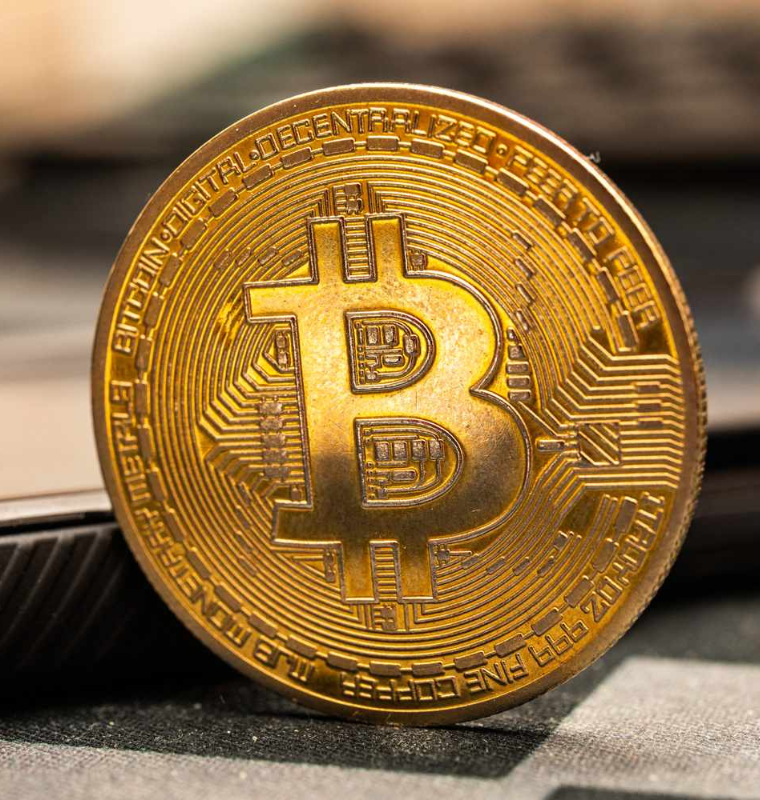
Bitcoin Slips Below 67000 Amid Rising Global Tensions
By
Alina Sinclair
Last updated:
April 2, 2026
First Published:
April 2, 2026


Bitcoin faced significant downward pressure today as geopolitical tensions escalated in key global regions, prompting investors to reassess risk exposure in the cryptocurrency market. The digital asset, once hailed as a safe haven for turbulent times, now appears vulnerable to external macroeconomic factors that affect overall market sentiment. Analysts observed that Bitcoin fell below the 67000 mark, triggering a wave of sell-offs across other major cryptocurrencies.
Investor Sentiment Reacts to Global Events
Investor sentiment was particularly sensitive to recent international developments, including conflicts and trade uncertainties. Many traders are adopting a cautious approach, preferring to liquidate positions in high-risk assets such as cryptocurrencies until more clarity emerges. This cautious sentiment has translated into heightened volatility in the markets, making daily price swings more pronounced.
Ripple Effect Across Cryptocurrency Markets
Bitcoin’s decline has had a cascading effect on altcoins and smaller digital assets. Ethereum, Binance Coin, and several other prominent cryptocurrencies experienced simultaneous losses, suggesting that Bitcoin continues to serve as a benchmark for market confidence. The correlation between Bitcoin and other major cryptocurrencies remains strong, reflecting investor reliance on its performance as an indicator of broader market stability.
The Role of Speculative Trading
Speculative trading is amplifying market reactions, as sudden drops in Bitcoin prices often trigger margin calls and forced liquidations. This cycle intensifies short-term volatility and can sometimes lead to exaggerated market movements that are not necessarily reflective of long-term fundamentals. Traders engaging in short-term strategies are particularly impacted by these rapid changes.
Institutional Investment Perspective
Institutional investors are closely monitoring these developments, weighing the potential risks of holding large cryptocurrency positions. Some investment firms are opting to hedge their exposure or temporarily reduce allocations to digital assets, while others view current prices as potential entry points. The reaction of institutional investors often sets the tone for the broader market, further influencing retail investor behavior.
Market Liquidity and Trading Volumes
Trading volumes have surged in response to Bitcoin’s price decline, highlighting increased activity from both buyers and sellers. Liquidity levels remain sufficient to absorb moderate market shocks, yet persistent geopolitical uncertainty could strain market depth and contribute to sharper price movements. Exchanges are carefully monitoring order books to maintain smooth trading operations.
Regulatory Considerations
Regulatory factors also play a role in market dynamics, as investors remain cautious about potential policy responses to escalating global tensions. Governments and financial authorities are paying close attention to cryptocurrency markets, evaluating whether regulatory measures may be necessary to stabilize financial systems. This uncertainty contributes to short-term market unpredictability.
Long-Term Market Outlook
Despite recent declines, many analysts emphasize the resilience of Bitcoin and other cryptocurrencies over longer time horizons. Technological innovation, network security, and growing adoption continue to support confidence in the sector. Market participants are encouraged to consider both immediate risks and potential long-term growth when making investment decisions.
Investor Strategies in Volatile Conditions
In the current environment, strategies such as portfolio diversification, risk management, and disciplined trading are crucial. Investors are advised to avoid reactionary decisions driven solely by market panic and to assess positions with careful analysis. Understanding the interplay between global events and market sentiment can provide critical insights for maintaining a balanced investment approach.
The recent drop of Bitcoin below 67000 underscores the sensitivity of cryptocurrency markets to external geopolitical and macroeconomic factors. While short-term volatility remains high, the sector continues to demonstrate robust long-term potential. Investors navigating these turbulent periods must balance caution with strategic opportunities, keeping in mind that cryptocurrency markets are still evolving in response to global developments.

Popular articles



Subscribe to unlock premium content
Disney’s Timeless Magic and How the Entertainment Giant Continues to Shape Culture and Innovation

Imran Khan’s Economic Missteps Amid Political Chaos in Pakistan

The Philippines’ Digital Shift How Remittances and BPO Are Fueling Growth

Disney’s Timeless Magic and How the Entertainment Giant Continues to Shape Culture and Innovation
Imran Khan’s Economic Missteps Amid Political Chaos in Pakistan
Disney’s Timeless Magic and How the Entertainment Giant Continues to Shape Culture and Innovation