
Bitcoin Slides Below Ninety Thousand Following Federal Reserve Rate Cut

Bitcoin Slides Below Ninety Thousand Following Federal Reserve Rate Cut
By
Calder Monroe
Last updated:
December 10, 2025
First Published:
December 10, 2025


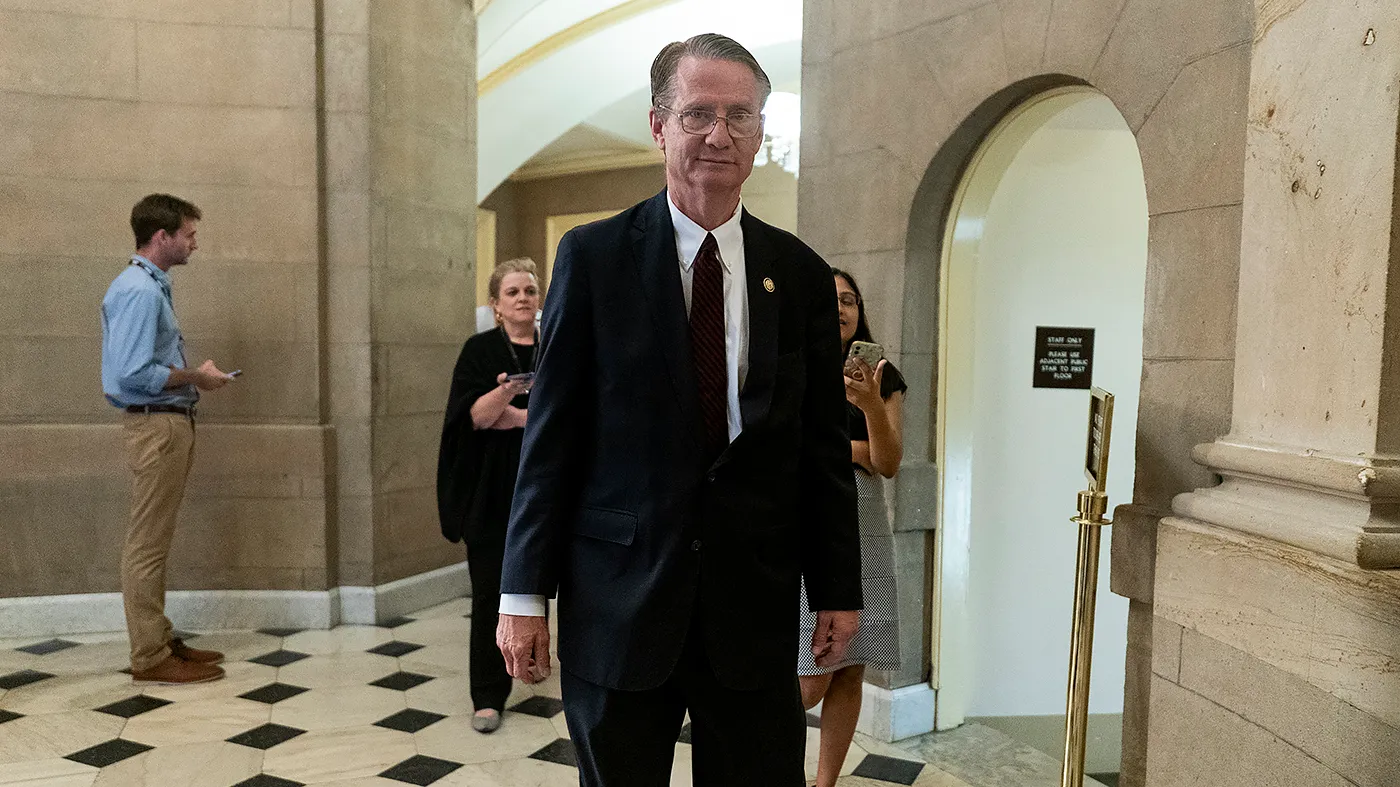
Photo: Bitcoin.com News
Market Reaction to the Sudden Decline
The cryptocurrency market experienced a sharp adjustment as Bitcoin slipped below ninety thousand after the recent interest rate cut by the United States Federal Reserve. This movement surprised both traders and analysts who had anticipated a more positive reaction. The broader market responded with uncertainty as major assets followed Bitcoin’s direction and displayed notable price swings.
Impact on Short Term Liquidity
The rate cut created a wave of rapid repositioning among institutional traders. Many shifted capital into traditional risk assets while crypto markets saw a period of thinning liquidity. As a result, sell orders intensified and caused accelerated downward pressure on Bitcoin. This highlighted the sensitivity of the market to macroeconomic decisions and the increasing correlation between digital assets and broader financial ecosystems.
Investor Sentiment Across Major Platforms
Sentiment among retail investors weakened quickly once Bitcoin broke through the ninety thousand threshold. Social platforms and trading communities recorded a surge of cautionary commentary as traders evaluated the potential for deeper declines. Despite this reaction, long term holders showed resilience and continued to view the correction as part of a recurring cycle typical of major asset classes.
Altcoin Movements Following Bitcoin’s Drop
As Bitcoin corrected, several altcoins mirrored the trend and saw significant decreases in value. Assets such as Ethereum and Solana faced immediate pressure but maintained relatively stronger structural support compared to smaller market cap tokens. This divergence revealed how capital concentration continues to influence market stability and how reliance on Bitcoin performance remains a defining factor for the entire ecosystem.
Reassessment of Institutional Strategies
Institutional funds that entered the market earlier in the year reevaluated their exposure after observing the abrupt volatility. Many firms adopted defensive strategies and reduced short term leverage. However a portion of institutions maintained their positions and argued that the lowered interest rate environment may eventually stimulate renewed inflows into digital assets.
Influence of Macro Policy Shifts
The Federal Reserve’s decision triggered renewed debate regarding the relationship between monetary policy and digital asset valuations. Historically, lower interest rates tend to encourage risk seeking behavior, yet this latest event demonstrated a temporary decoupling from traditional expectations. Analysts suggest that investors now weigh global economic uncertainty more heavily than policy easing alone.
Implications for Market Structure
Bitcoin’s decline below this critical level brought attention to the structure of derivatives markets. Liquidation clusters became a focal point as leveraged positions were forced out during the rapid movement. This created temporary instability but also helped reset the market for a healthier foundation as excessive leverage unwound in real time.
Long Term Narrative Remains Intact
Despite the short term turmoil, long horizon indicators have not shifted drastically. Adoption metrics, on chain activity, and global interest from financial institutions continue to expand. Many market observers believe that this correction aligns with historical patterns and may ultimately create new entry points for strategic investors.
Future Expectations Among Analysts
Analysts are divided regarding Bitcoin’s near term direction. Some forecast a potential recovery if macro conditions stabilize, while others warn of continued volatility as markets digest the implications of the Federal Reserve decision. Most agree that the next few weeks will be critical in determining whether Bitcoin can reclaim its previous momentum.
Broader Significance for the Digital Asset Sector
Bitcoin’s movement below ninety thousand served as a reminder of the maturing nature of the crypto market. The intersection between global finance and blockchain technology is becoming more pronounced. Each macroeconomic event now carries amplified consequences for digital assets. This correction will likely shape investor strategies and influence market behavior well into the coming year.
Popular articles



Subscribe to unlock premium content
Disney’s Timeless Magic and How the Entertainment Giant Continues to Shape Culture and Innovation

Imran Khan’s Economic Missteps Amid Political Chaos in Pakistan

The Philippines’ Digital Shift How Remittances and BPO Are Fueling Growth

Disney’s Timeless Magic and How the Entertainment Giant Continues to Shape Culture and Innovation
Imran Khan’s Economic Missteps Amid Political Chaos in Pakistan
Disney’s Timeless Magic and How the Entertainment Giant Continues to Shape Culture and Innovation