Bitcoin Mining Difficulty Falls 10 Percent to Lowest Level of 2026

Bitcoin Mining Difficulty Falls 10 Percent to Lowest Level of 2026
By
David Goldfarb
Last updated:
June 14, 2026
First Published:
June 14, 2026

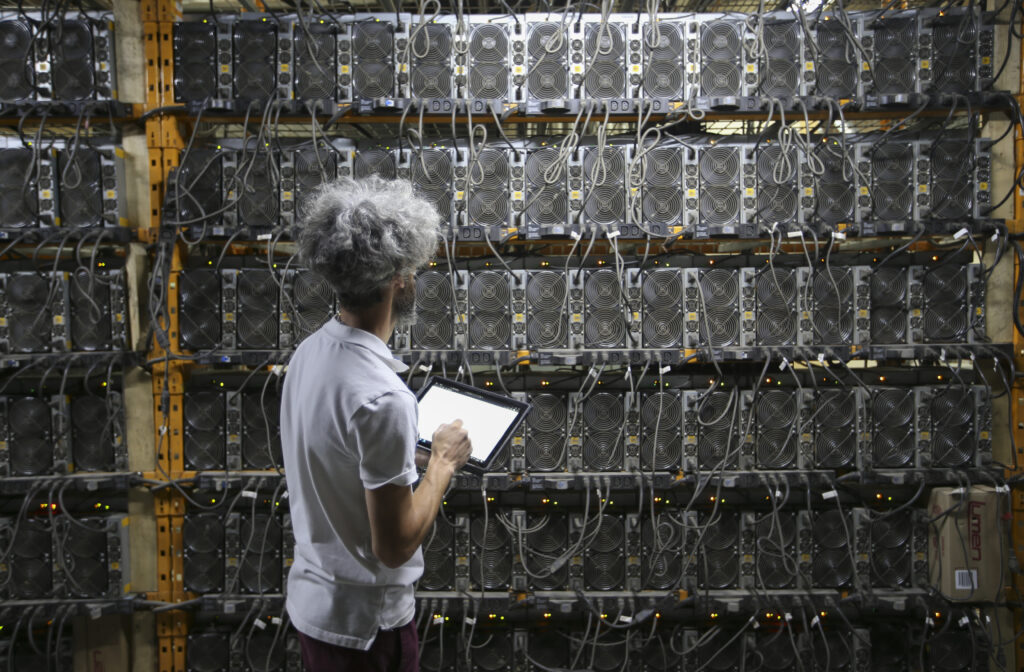
Photo: Moneyweb
Bitcoin's mining industry has entered a significant new chapter as network difficulty experienced its largest decline of the year, falling approximately 10 percent and reaching its lowest level in 2026. The adjustment has attracted widespread attention from miners, investors, analysts, and blockchain developers who closely monitor the health and security of the world's largest cryptocurrency network.
Mining difficulty is one of the most important metrics within the Bitcoin ecosystem. While price movements often dominate headlines, difficulty adjustments reveal valuable information about miner activity, network participation, operational profitability, and the overall strength of the blockchain. The latest decline reflects changing economic conditions that are reshaping the landscape for both large mining corporations and independent operators.
Understanding Bitcoin Mining Difficulty
Bitcoin operates through a decentralized network of computers that validate transactions and secure the blockchain. These computers, commonly known as miners, compete to solve complex mathematical problems in exchange for newly issued Bitcoin and transaction fees.
Mining difficulty is the mechanism that regulates how difficult it is to discover new blocks. The system automatically adjusts at regular intervals to ensure that blocks continue to be produced at a relatively consistent rate regardless of how many miners participate in the network.
When more computing power joins the network, difficulty increases. When miners leave and overall computing power declines, difficulty decreases. This self regulating mechanism helps maintain Bitcoin's stability and predictability.
Why the Latest Decline Matters
A 10 percent reduction is not a minor adjustment. It represents one of the most substantial shifts seen this year and indicates that a meaningful amount of mining power has exited the network.
Several factors may contribute to such a decline. Rising operational expenses, changes in electricity costs, aging mining equipment, market uncertainty, and profitability challenges can all influence miners' decisions to reduce or suspend operations.
The latest adjustment suggests that many operators faced economic pressures significant enough to affect overall network participation.
The Economics of Bitcoin Mining
Mining has become increasingly competitive over the past decade. Early participants could generate substantial rewards using relatively simple computer hardware. Today, successful mining operations often require specialized equipment, industrial infrastructure, and access to affordable energy sources.
Profitability depends on several variables working together. Bitcoin's market price, electricity expenses, equipment efficiency, maintenance costs, and network difficulty all influence potential earnings.
When operating expenses rise faster than revenue opportunities, less efficient miners may struggle to remain profitable. In such circumstances, some operators choose to temporarily shut down equipment or exit the market entirely.
The recent difficulty decline may reflect this economic reality.
Impact on Remaining Miners
While a decline in difficulty can signal challenges within the mining sector, it also creates opportunities for those who continue operating.
When difficulty falls, active miners face less competition for block rewards. This means the probability of earning Bitcoin increases for participants who remain connected to the network.
For large mining companies with efficient infrastructure and lower operating costs, reduced competition can improve profit margins and strengthen their market position.
As a result, periods of declining difficulty often trigger a redistribution of mining power rather than a permanent weakening of the industry.
What This Means for Network Security
Bitcoin's security depends largely on the total computing power dedicated to protecting the blockchain. Higher participation generally strengthens resistance against potential attacks and increases confidence in the network.
A decline in mining activity naturally raises questions about security. However, Bitcoin remains protected by an enormous amount of computational power despite the recent adjustment.
Industry experts generally view temporary reductions as part of the network's normal self correcting process. The protocol was specifically designed to adapt to changing conditions while maintaining long term stability.
The latest decline does not indicate a security crisis but rather reflects the dynamic nature of a decentralized system responding to economic realities.
Energy Costs Continue Shaping the Industry
Energy remains one of the largest expenses for mining operators. Access to low cost electricity often determines whether a mining facility can remain competitive.
Changes in global energy markets have significantly influenced mining decisions throughout recent years. Facilities located in regions with rising electricity prices frequently face profitability pressures, while operations in areas with abundant renewable energy may maintain stronger margins.
As energy economics continue evolving, mining activity is increasingly concentrated in regions that offer favorable operating conditions.
This trend is likely to remain a defining characteristic of the industry moving forward.
Technological Innovation Becomes Essential
The mining sector has always rewarded efficiency. As competition intensifies, technological innovation becomes increasingly important.
Manufacturers continue developing more powerful and energy efficient mining hardware capable of generating greater computational output while consuming less electricity. Companies that invest in modern equipment often gain significant advantages over competitors using older machines.
The latest difficulty decline may accelerate this trend by encouraging operators to upgrade infrastructure and improve operational efficiency.
Innovation remains one of the most effective tools for navigating changing market conditions.
Investor Perspectives on Difficulty Adjustments
Many investors view mining difficulty as a valuable indicator of network health. While short term price movements attract attention, difficulty provides deeper insight into the economic foundations supporting Bitcoin.
Some analysts interpret declining difficulty as a sign of temporary industry stress. Others view it as a healthy market correction that removes inefficient participants and strengthens the long term sustainability of the ecosystem.
The reality often lies somewhere between these perspectives. Difficulty adjustments reflect the ongoing balance between profitability, competition, and technological progress.
For long term investors, understanding these dynamics can provide a more comprehensive view of Bitcoin's development.
The Evolution of Professional Mining Operations
Bitcoin mining has transformed dramatically from its early days. Individual enthusiasts once dominated the industry using home computers and small scale equipment. Today, large corporations operate sophisticated facilities containing thousands of specialized machines.
These professional operators often possess significant advantages including access to capital, advanced infrastructure, strategic energy partnerships, and experienced technical teams.
As economic pressures increase, industry consolidation may continue. Smaller participants could find it increasingly difficult to compete with organizations capable of achieving large scale operational efficiencies.
The recent difficulty adjustment may accelerate this ongoing transformation.
Looking Ahead
The 10 percent decline in Bitcoin mining difficulty marks an important moment for the cryptocurrency industry. While the adjustment highlights challenges facing some miners, it also demonstrates the resilience and adaptability of Bitcoin's underlying design.
The network continues to function exactly as intended, automatically responding to changes in participation and economic conditions. For active miners, reduced difficulty may create new opportunities. For investors, it offers insight into the evolving economics of blockchain infrastructure.
As Bitcoin continues maturing as a global financial asset, mining will remain one of the most critical components supporting its security, decentralization, and long term viability. The latest adjustment serves as a reminder that behind every market headline lies a sophisticated technological system constantly adapting to an ever changing world.

Popular articles


Subscribe to unlock premium content
Ripple and Bitso Expand Partnership as RLUSD Stablecoin Ecosystem Gains Momentum

Bybit Introduces Tokenized SpaceX IPO Shares in Landmark Real World Asset Initiative
Crypto Tax Debate Intensifies in Washington Over Mining and Staking Rewards

Ripple and Bitso Expand Partnership as RLUSD Stablecoin Ecosystem Gains Momentum
Bybit Introduces Tokenized SpaceX IPO Shares in Landmark Real World Asset Initiative
Ripple and Bitso Expand Partnership as RLUSD Stablecoin Ecosystem Gains Momentum