Bitcoin Holds Near 70000 as Market Shows Strength Against Traditional Assets

Bitcoin Holds Near 70000 as Market Shows Strength Against Traditional Assets
By
Calder Monroe
Last updated:
March 11, 2026
First Published:
March 11, 2026

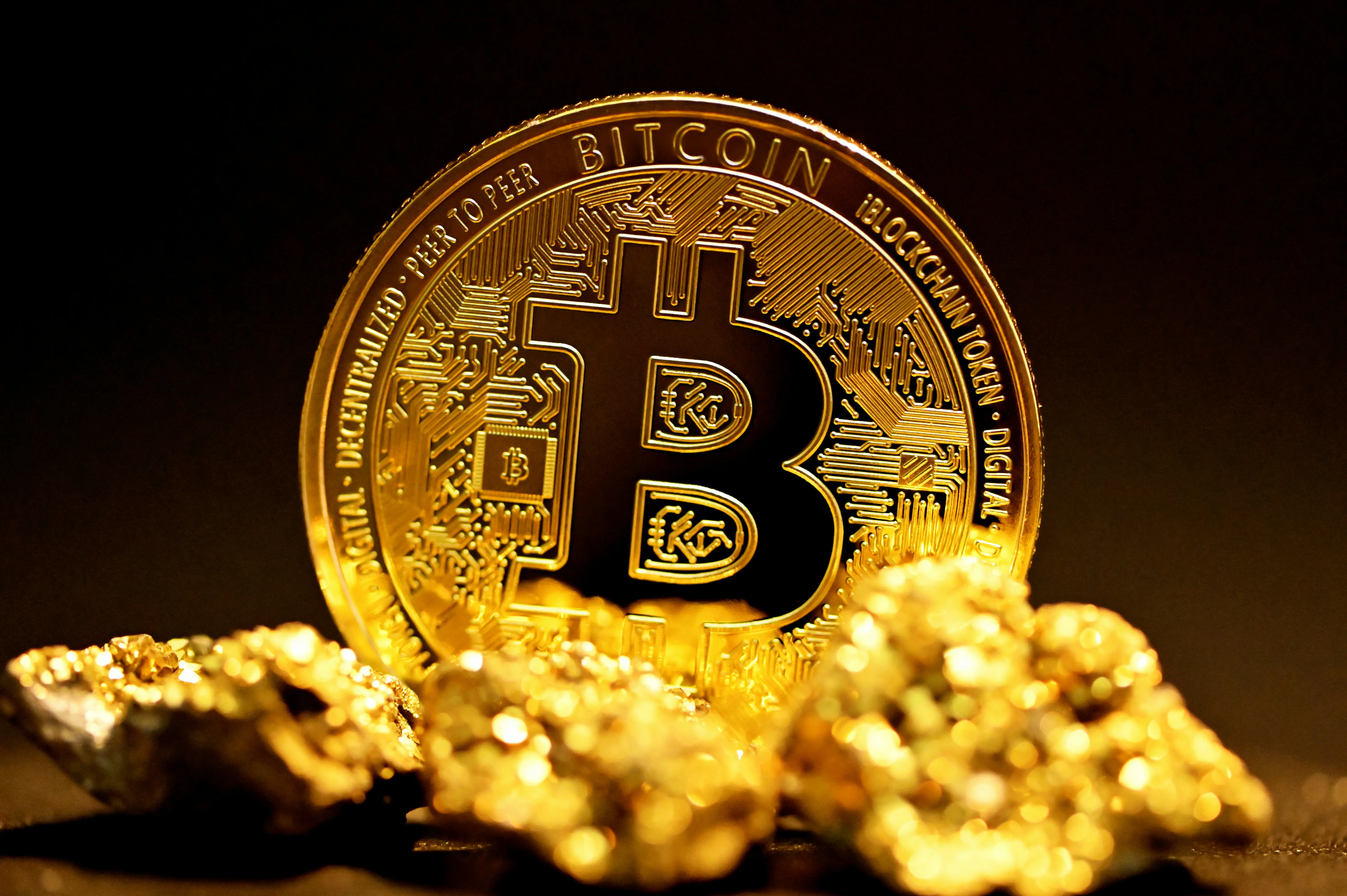
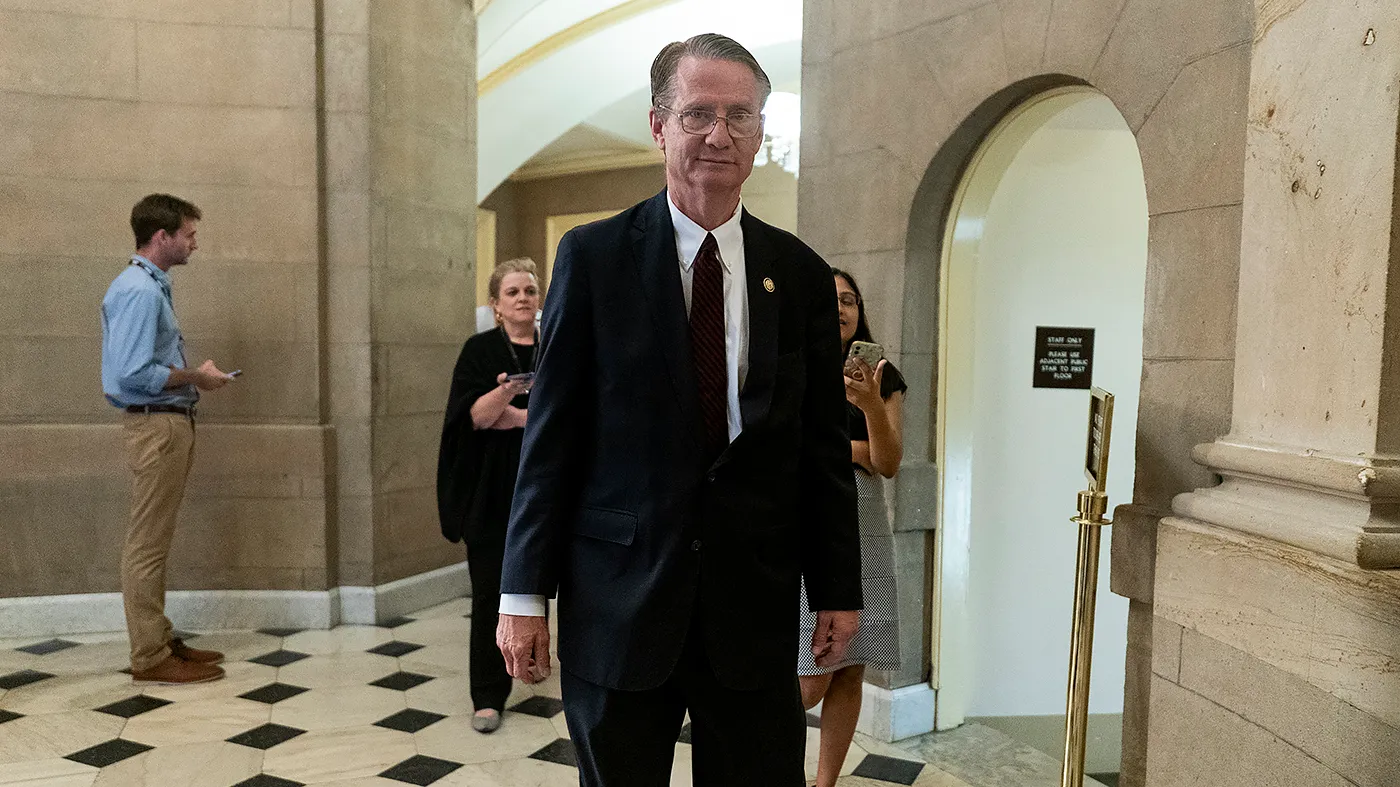
Photo: WION
A New Phase of Market Confidence
Bitcoin has once again captured global attention as it maintains a strong position near the 70000 level, demonstrating notable resilience in an environment where traditional financial markets are facing uncertainty. The flagship cryptocurrency has spent years evolving from a niche technological experiment into an asset that many investors now consider a serious component of diversified portfolios. Its current price stability suggests that market participants are increasingly confident in its long term potential and structural strength.
Growing Recognition as a Digital Store of Value
Over the past decade Bitcoin has gradually earned recognition as a form of digital store of value. Investors often compare it to gold because of its limited supply and decentralized nature. Unlike traditional currencies that can be influenced by government policies and monetary expansion, Bitcoin operates on a transparent network with a fixed supply limit. This scarcity model has encouraged many investors to hold it as a hedge against economic uncertainty and inflationary pressures.
Institutional Interest Continues to Expand
One of the most important drivers behind Bitcoin’s current market strength is the sustained interest from institutional investors. Major financial firms, asset managers, and hedge funds have increasingly entered the cryptocurrency market. Their participation has brought significant liquidity, credibility, and analytical attention to Bitcoin. Large scale investment funds and corporate treasuries holding Bitcoin have helped transform it from a speculative asset into a more widely accepted financial instrument.
Market Resilience During Economic Volatility
Global financial markets have experienced significant volatility in recent years due to geopolitical tensions, shifting interest rate policies, and changing economic growth expectations. In this environment Bitcoin has shown surprising resilience. While the asset is known for its historical volatility, its ability to remain close to the 70000 level during uncertain economic conditions has strengthened the narrative that digital assets can behave independently from traditional markets.
The Role of Long Term Holders
Another key factor supporting Bitcoin’s price stability is the growing community of long term holders. These investors often accumulate Bitcoin during market dips and maintain their positions for extended periods rather than engaging in frequent trading. This behavior reduces the amount of Bitcoin circulating actively on exchanges and can contribute to price stability. The long term mindset among many holders reflects a broader belief that the asset’s future value could increase significantly as global adoption continues.
Technological Foundations Remain Strong
Beyond price movements, the technological foundation of Bitcoin continues to evolve and strengthen. Developers around the world contribute to improving the network’s security, efficiency, and scalability. Layer two solutions and advancements in transaction processing aim to make Bitcoin more practical for everyday financial activity while maintaining the security and decentralization that define its architecture. This ongoing innovation helps sustain investor confidence in the network’s long term viability.
Competition and Innovation in the Crypto Ecosystem
Although Bitcoin remains the dominant cryptocurrency by market capitalization, it operates within a rapidly expanding digital asset ecosystem. Thousands of blockchain projects are exploring new applications such as decentralized finance, tokenized assets, and digital identity solutions. Despite this competition Bitcoin maintains a unique position as the original and most recognized cryptocurrency. Its established infrastructure and global recognition continue to give it an advantage within the broader market.
Regulatory Developments Shape Investor Sentiment
Government regulation remains one of the most influential factors shaping the cryptocurrency industry. Around the world policymakers are working to create frameworks that balance innovation with consumer protection and financial stability. Clearer regulatory guidance has helped many institutional investors feel more comfortable entering the market. As these policies continue to evolve, they may further support Bitcoin’s integration into the traditional financial system.
Shifting Perception Among Retail Investors
Retail investors have also played a significant role in Bitcoin’s sustained market presence. Many individuals view cryptocurrency as an accessible entry point into global financial markets. The growing availability of digital asset platforms and educational resources has made it easier for newcomers to understand and participate in the ecosystem. This expanding user base contributes to the overall demand and long term growth potential of Bitcoin.
Global Adoption and Economic Influence
Bitcoin’s influence now extends far beyond speculative trading. Businesses, payment platforms, and even some national governments have begun exploring ways to integrate digital assets into their financial infrastructure. In certain regions Bitcoin is used as a tool for cross border transactions, savings, and financial inclusion. These real world use cases strengthen the argument that cryptocurrencies can play an important role in the future global economy.
The Road Ahead for Bitcoin
As Bitcoin continues to hold near the 70000 mark, analysts and investors are closely watching the next phase of market development. Some believe that sustained institutional interest and broader adoption could push the asset to new price milestones. Others caution that the cryptocurrency market remains inherently volatile and subject to sudden shifts in sentiment. Regardless of short term fluctuations, Bitcoin’s continued presence at the center of global financial conversations suggests that the digital asset revolution is far from over.
Popular articles



Subscribe to unlock premium content
Disney’s Timeless Magic and How the Entertainment Giant Continues to Shape Culture and Innovation

Imran Khan’s Economic Missteps Amid Political Chaos in Pakistan

The Philippines’ Digital Shift How Remittances and BPO Are Fueling Growth

Disney’s Timeless Magic and How the Entertainment Giant Continues to Shape Culture and Innovation
Imran Khan’s Economic Missteps Amid Political Chaos in Pakistan
Disney’s Timeless Magic and How the Entertainment Giant Continues to Shape Culture and Innovation