Bitcoin Holds Firm Near $77,000 as Capital Flows Into Altcoins
By
David Goldfarb
Last updated:
May 22, 2026
First Published:
May 22, 2026

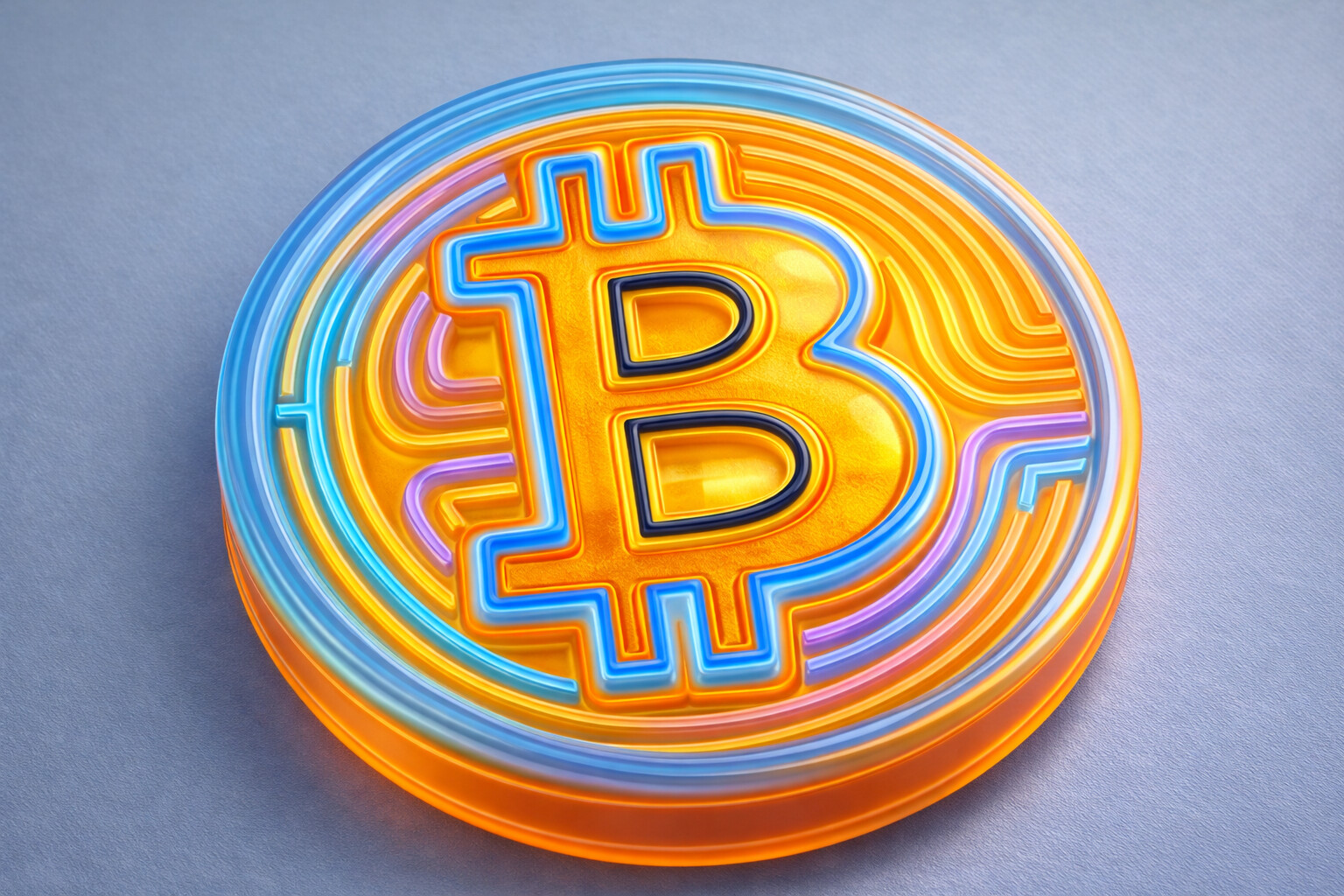
Photo: Trading News
Bitcoin Remains the Anchor of the Cryptocurrency Market
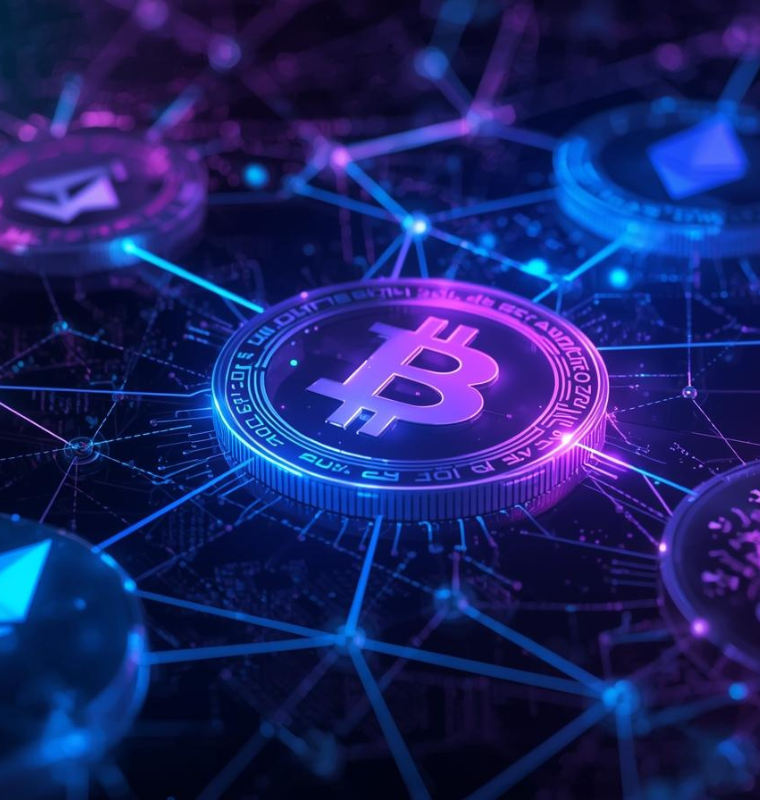
The cryptocurrency market entered a new phase of activity during the final weeks of May 2026 as Bitcoin continued to trade near the $77,000 level while investors increasingly directed capital toward alternative digital assets. This combination of Bitcoin stability and growing interest in altcoins has created one of the most closely watched market environments of the year.
For many analysts, Bitcoin's ability to maintain strength around such a significant price range demonstrates the maturity of the digital asset market. Unlike previous market cycles that were often characterized by dramatic swings and speculative trading, the current environment reflects a more complex ecosystem where institutional investors, retail participants, asset managers, and technology focused funds all contribute to market activity.
As Bitcoin consolidates near historically elevated levels, attention is gradually expanding beyond the largest cryptocurrency and into sectors that promise innovation, utility, and growth potential.
The Importance of Bitcoin Stability
Bitcoin continues to serve as the foundation of the cryptocurrency industry. Its market capitalization, liquidity, brand recognition, and institutional adoption make it the benchmark against which other digital assets are measured.
When Bitcoin experiences extreme volatility, uncertainty often spreads throughout the broader market. Conversely, periods of relative stability can create favorable conditions for investors seeking opportunities elsewhere in the digital asset ecosystem.
The current environment reflects this dynamic. Bitcoin's ability to remain near $77,000 has provided market participants with a degree of confidence that encourages exploration of other investment opportunities. Rather than focusing exclusively on Bitcoin price fluctuations, investors are increasingly evaluating emerging projects and sectors that may offer higher growth potential.
This shift in attention is helping fuel renewed activity across multiple areas of the cryptocurrency market.
Altcoin Rotation Gains Momentum
One of the most notable developments in recent weeks has been the growing movement of capital into altcoins. The term altcoin generally refers to cryptocurrencies other than Bitcoin, including projects focused on decentralized finance, artificial intelligence, gaming, infrastructure, payments, and blockchain scalability.
Market participants often refer to this phenomenon as altcoin rotation. It occurs when investors who have benefited from Bitcoin appreciation begin allocating portions of their portfolios into smaller digital assets that may offer greater upside potential.
Such rotations have historically played an important role during cryptocurrency bull markets. As confidence increases and risk appetite expands, investors become more willing to explore projects beyond the market leader.
The latest rotation suggests that many participants believe the broader digital asset market still has room for growth despite Bitcoin's already impressive performance.
Artificial Intelligence Tokens Attract Significant Interest
Among the sectors receiving increased attention, artificial intelligence related cryptocurrencies have emerged as major beneficiaries of investor enthusiasm. The convergence of blockchain technology and artificial intelligence has become one of the most discussed themes within both technology and financial communities.
Investors are increasingly evaluating projects that seek to create decentralized AI infrastructure, data marketplaces, machine learning networks, and autonomous digital services. These initiatives aim to combine blockchain transparency with the transformative capabilities of artificial intelligence.
The growing popularity of AI focused cryptocurrencies reflects broader global interest in artificial intelligence technologies. As businesses across industries integrate AI into their operations, many investors believe blockchain based AI projects could become important components of future digital economies.
This optimism has contributed to strong trading activity and heightened visibility for numerous projects operating within the sector.
Decentralized Finance Continues to Recover
Another area experiencing renewed momentum is decentralized finance, commonly known as DeFi. DeFi platforms enable users to access financial services such as lending, borrowing, trading, and yield generation without relying on traditional intermediaries.
Following periods of market uncertainty in previous years, the sector has demonstrated increasing resilience. Developers continue introducing new protocols while existing platforms work to improve security, scalability, and user experience.
Investors appear to be recognizing the long term potential of decentralized financial infrastructure. As a result, several DeFi related tokens have attracted fresh capital inflows during the current market cycle.
The recovery of decentralized finance is particularly significant because the sector represents one of the most practical and widely adopted applications of blockchain technology. Continued growth could strengthen confidence in the broader cryptocurrency ecosystem.
Institutional Investors Are Shaping Market Behavior
Unlike earlier cryptocurrency cycles that were dominated primarily by retail traders, the current market environment reflects a much stronger institutional presence.
Investment firms, wealth management companies, hedge funds, pension related entities, and publicly traded corporations are increasingly participating in digital asset markets. Their involvement has introduced new sources of capital and contributed to greater market sophistication.
Institutional investors often take a more strategic approach to portfolio allocation. Rather than concentrating solely on Bitcoin, many institutions are exploring diversified exposure across multiple sectors including infrastructure tokens, smart contract platforms, decentralized finance projects, and emerging blockchain applications.
This diversification trend is helping support broader market activity while encouraging long term investment perspectives.
Market Sentiment Remains Constructive
Investor sentiment plays a crucial role in cryptocurrency market performance. Current sentiment appears broadly positive as market participants evaluate improving adoption trends, continued technological innovation, and growing institutional engagement.
The fact that Bitcoin remains near $77,000 without experiencing severe downward pressure has reinforced confidence among traders and investors. Stability at elevated price levels often creates a perception that the market is building a foundation for future growth.
Positive sentiment is also supported by increasing interest from traditional financial institutions, ongoing blockchain development, and expanding use cases for digital assets.
While market participants remain aware of potential risks, the overall mood across the industry has become increasingly optimistic.
Risks Still Require Careful Consideration
Despite favorable market conditions, investors recognize that cryptocurrency markets remain inherently volatile. Price corrections can occur unexpectedly, and individual altcoins often experience significantly greater fluctuations than Bitcoin.
Regulatory developments, macroeconomic conditions, technological challenges, and shifts in investor sentiment all have the potential to influence market performance. As a result, market participants continue monitoring a wide range of factors that could affect future trends.
Many experienced investors emphasize the importance of research, risk management, and diversification when evaluating opportunities within the cryptocurrency sector.
The current environment may be encouraging, but prudent decision making remains essential.
What This Means for the Broader Industry
The combination of Bitcoin stability and altcoin growth represents an important stage in market development. It suggests that investors are increasingly looking beyond short term speculation and focusing on specific sectors, technologies, and use cases.
This evolution contributes to the maturation of the cryptocurrency industry. Rather than being viewed solely as a market driven by price movements, digital assets are increasingly evaluated based on utility, innovation, adoption potential, and long term value creation.
As capital flows into projects addressing real world challenges, the industry moves closer to achieving broader mainstream relevance.
Developers, entrepreneurs, and investors all stand to benefit from an environment that rewards technological progress and practical applications.
Looking Ahead
The coming months will likely determine whether the current altcoin rotation develops into a sustained market trend. Much will depend on Bitcoin's continued performance, institutional participation, regulatory developments, and the ability of blockchain projects to deliver meaningful innovation.
If Bitcoin maintains stability while broader adoption continues to grow, investors may remain willing to allocate capital toward emerging sectors such as artificial intelligence, decentralized finance, blockchain infrastructure, and digital identity solutions.
At the same time, market participants will continue assessing economic conditions and technological advancements that could influence future investment decisions.
Bitcoin's ability to hold near $77,000 while capital increasingly flows into altcoins highlights the evolving nature of the cryptocurrency market. The current environment reflects growing investor confidence, expanding institutional participation, and rising interest in innovative blockchain applications.
From artificial intelligence projects to decentralized finance platforms, multiple sectors are benefiting from renewed attention and investment. This diversification suggests that the cryptocurrency industry is entering a more mature phase where value is increasingly tied to technological utility and long term growth potential.
As the market continues to develop, the relationship between Bitcoin stability and altcoin innovation will remain one of the most important themes shaping the future of digital assets. For investors, entrepreneurs, and industry observers alike, the coming months promise to be a pivotal period in the ongoing evolution of the cryptocurrency economy.

Popular articles



Subscribe to unlock premium content
Imran Khan’s Economic Missteps Amid Political Chaos in Pakistan

The Philippines’ Digital Shift How Remittances and BPO Are Fueling Growth

Is the Era of Globalization Over or Just Evolving?
Imran Khan’s Economic Missteps Amid Political Chaos in Pakistan
The Philippines’ Digital Shift How Remittances and BPO Are Fueling Growth
Imran Khan’s Economic Missteps Amid Political Chaos in Pakistan