
Bitcoin Faces Decline as Broader Markets Struggle
By
David Goldfarb
Last updated:
April 2, 2026
First Published:
April 2, 2026

Photo: DL News
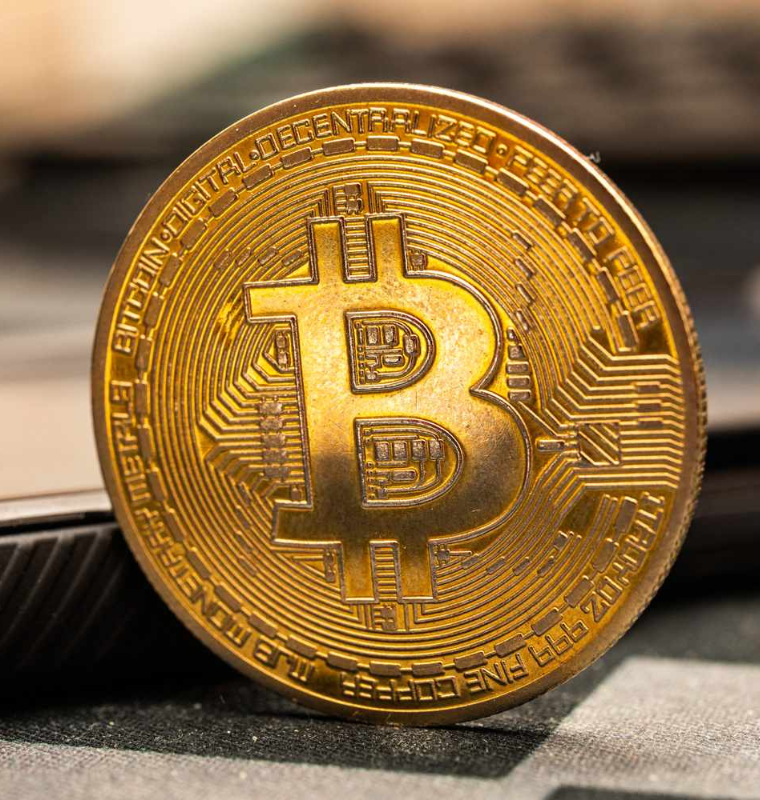
Bitcoin and other major cryptocurrencies have experienced a notable decline as traditional stock markets faced turbulence. The recent correlation between digital assets and equities has become more evident, suggesting that investor sentiment in broader financial markets significantly influences cryptocurrency trends. As stocks falter, Bitcoin is no longer seen as completely independent from global market forces.
Investor Anxiety Affects Market Confidence
The decline in Bitcoin reflects growing investor anxiety regarding both financial markets and ongoing economic uncertainties. Concerns about inflation, interest rate policies, and international tensions have created an environment where investors are less willing to hold volatile assets. As a result, market confidence has weakened, contributing to sharp price fluctuations.
Altcoins Follow Bitcoin’s Lead
Other cryptocurrencies, including Ethereum, Solana, and Cardano, have followed Bitcoin’s downward trajectory. The strong interconnection between major digital assets indicates that market sentiment, rather than project-specific news, is currently the main driver of price movement. Traders observing the market are noting that declines in Bitcoin often act as a signal for broader sell-offs.
Crypto Firms Under Financial Pressure
Several cryptocurrency firms and exchanges are facing financial strain as prolonged downturns persist. Revenue models dependent on trading fees and asset holdings have been impacted, prompting some companies to tighten operations or reconsider strategic initiatives. These pressures underscore the interconnectedness of market performance and business stability within the cryptocurrency ecosystem.
Speculative Activity Intensifies Volatility
Speculative trading continues to magnify market swings. Short-term traders responding to rapid price changes contribute to the heightened volatility. Forced liquidations and margin calls often amplify downward momentum, creating a cycle that can exaggerate short-term market declines beyond fundamental factors.
Institutional Sentiment and Market Movements
Institutional investors are monitoring Bitcoin closely, evaluating its performance relative to other asset classes. Many institutions are adopting cautious strategies, reallocating assets or hedging positions to manage exposure. The approach of large-scale investors significantly influences overall market trends, affecting both retail sentiment and liquidity.
Trading Volumes Reflect Market Uncertainty
Trading volumes across cryptocurrency exchanges have surged in response to market instability. Both selling and buying activity have increased as investors attempt to manage risk and capitalize on market movements. The heightened activity reflects uncertainty but also provides opportunities for traders who can navigate volatility strategically.
Long-Term Implications for Digital Assets
Despite the current downturn, analysts emphasize the long-term potential of cryptocurrencies. Technology development, network security improvements, and expanding adoption across industries continue to provide confidence in the sector’s resilience. Investors who focus solely on short-term price movements may overlook long-term value opportunities in digital assets.
Risk Management Strategies
In volatile markets, disciplined risk management is essential. Diversification, prudent position sizing, and careful monitoring of market conditions can help investors mitigate losses. Understanding the interplay between global markets and cryptocurrency trends is critical for those seeking to maintain stability during periods of heightened uncertainty.
Bitcoin’s recent decline alongside traditional markets illustrates the increasing correlation between digital assets and global financial sentiment. Cryptocurrency firms are navigating prolonged pressures, and investors must balance caution with strategic positioning. The evolving landscape underscores the importance of informed decision-making, highlighting both the risks and opportunities present in today’s cryptocurrency markets.
Popular articles



Subscribe to unlock premium content
Disney’s Timeless Magic and How the Entertainment Giant Continues to Shape Culture and Innovation

Imran Khan’s Economic Missteps Amid Political Chaos in Pakistan

The Philippines’ Digital Shift How Remittances and BPO Are Fueling Growth

Disney’s Timeless Magic and How the Entertainment Giant Continues to Shape Culture and Innovation
Imran Khan’s Economic Missteps Amid Political Chaos in Pakistan
Disney’s Timeless Magic and How the Entertainment Giant Continues to Shape Culture and Innovation