Bitcoin Climbs as Global Markets Tumble
By
Calder Monroe
Last updated:
March 3, 2026
First Published:
March 3, 2026

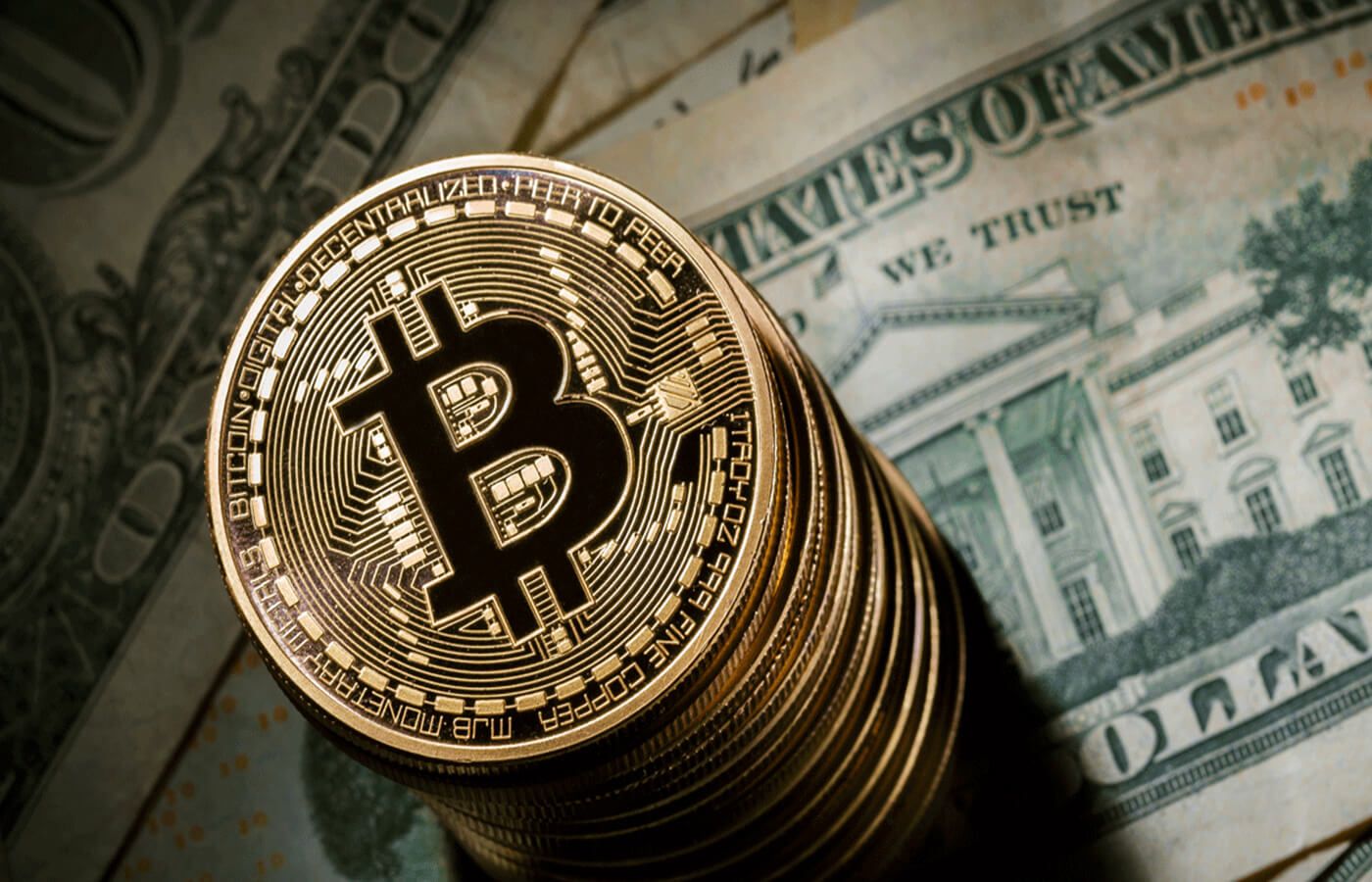
Photo: Vocal Media
A Sudden Shift in Global Risk Sentiment
On March 4, 2026, the cryptocurrency market witnessed a powerful resurgence as Bitcoin climbed sharply while traditional financial markets struggled under mounting geopolitical pressure. Equity indices across major economies moved lower as investors reacted to rising instability in the Middle East and renewed fears of supply chain disruptions. In contrast, Bitcoin displayed relative strength, drawing renewed attention to its evolving role in the global financial ecosystem.
Flight to Alternative Stores of Value
Historically, periods of macroeconomic turbulence have triggered capital rotation into assets perceived as defensive. Gold has long occupied that position. However, Bitcoin is increasingly entering the same conversation. As traditional markets weakened, capital flows into digital assets accelerated. Traders and institutional allocators appeared to reposition portfolios toward assets that operate outside sovereign monetary systems, reinforcing the narrative of Bitcoin as a hedge against geopolitical fragility.
Price Structure and Technical Momentum
From a market structure perspective, Bitcoin’s rally was not merely a reactionary spike. The asset reclaimed key psychological levels, pushing above recent resistance zones with expanding volume. This breakout suggests more than short covering. It reflects genuine spot demand supported by derivative market activity. Funding rates remained relatively stable, indicating that leverage levels were not excessively overheated, which reduces the probability of immediate volatility driven by liquidations.
Institutional Participation Reenters the Spotlight
Institutional involvement continues to underpin Bitcoin’s resilience. Large asset managers and hedge funds have steadily integrated digital assets into diversified portfolios. The growth of exchange traded products tied to Bitcoin has simplified access for traditional investors, allowing capital to flow efficiently during moments of strategic reallocation. As macro uncertainty rises, professional investors appear increasingly comfortable treating Bitcoin as a non correlated component of risk management strategies.
Correlation Dynamics With Equities
One of the most notable developments in this rally is the temporary decoupling between Bitcoin and major equity indices. Over the past two years, correlation between crypto and technology stocks had intensified, often leading to synchronized movements. This week’s divergence signals a potential structural shift. When equities weakened, Bitcoin strengthened. If this pattern persists, it may redefine how portfolio managers model digital asset exposure within broader asset allocation frameworks.
Liquidity Conditions and Market Depth
Liquidity conditions also contributed to the move. Order book depth on major exchanges remained relatively stable despite volatility in global markets. Strong bid support near consolidation zones created a foundation for upward expansion. Market participants observed consistent accumulation behavior rather than speculative spikes, reinforcing the perception that the rally was structurally supported rather than purely sentiment driven.
Macroeconomic Backdrop and Monetary Policy Expectations
Beyond geopolitical tensions, expectations surrounding monetary policy continue to influence crypto flows. Investors remain sensitive to signals from central banks regarding interest rates and liquidity conditions. Any indication of easing financial conditions often benefits risk assets, including digital currencies. However, Bitcoin’s recent strength during equity weakness suggests that macro positioning is becoming more nuanced. Investors are not simply treating it as a high beta technology proxy. Instead, it is increasingly viewed through the lens of monetary independence and scarcity.
Retail Participation and Market Psychology
Retail investors have also returned with renewed optimism. Social engagement metrics and on chain activity indicate a steady increase in wallet creation and transaction volume. While not at speculative extremes, the data reflects cautious reentry. Retail psychology tends to amplify price movements once momentum becomes visible. If confidence continues to build, it could reinforce upward pressure in the near term.
Implications for the Broader Cryptocurrency Market
Bitcoin’s strength has ripple effects across the digital asset landscape. When Bitcoin demonstrates leadership during uncertain conditions, it often stabilizes sentiment across altcoins and decentralized finance tokens. Market participants interpret Bitcoin resilience as a signal that systemic crypto risk is contained. This week’s performance has already improved overall market capitalization metrics and reduced volatility expectations in derivative markets.
The Evolving Safe Haven Debate
The ongoing debate over whether Bitcoin qualifies as a safe haven asset remains unresolved, yet moments like this contribute meaningfully to the argument. Safe haven status is not declared overnight. It emerges gradually through repeated performance during stress events. Each instance of capital inflow during traditional market weakness strengthens Bitcoin’s credibility within institutional discourse.
Looking Ahead
The sustainability of this rally will depend on continued capital inflows, stable liquidity, and the trajectory of geopolitical developments. If global tensions persist and equity volatility remains elevated, Bitcoin may continue to attract defensive allocation. However, sharp de escalation in geopolitical risk could reintroduce correlation patterns with broader risk assets.
For now, the March 4 market action underscores a significant evolution in perception. Bitcoin is no longer reacting purely as a speculative instrument. It is increasingly positioned at the intersection of macroeconomics, geopolitics, and technological transformation. Whether this marks a durable structural shift or a temporary divergence will become clearer in the weeks ahead, but the message from markets today is unmistakable. Digital assets are no longer peripheral to global capital flows.

Popular articles



Subscribe to unlock premium content
Disney’s Timeless Magic and How the Entertainment Giant Continues to Shape Culture and Innovation

Imran Khan’s Economic Missteps Amid Political Chaos in Pakistan

The Philippines’ Digital Shift How Remittances and BPO Are Fueling Growth

Disney’s Timeless Magic and How the Entertainment Giant Continues to Shape Culture and Innovation
Imran Khan’s Economic Missteps Amid Political Chaos in Pakistan
Disney’s Timeless Magic and How the Entertainment Giant Continues to Shape Culture and Innovation