Bitcoin and Major Cryptocurrencies Decline as Geopolitical Tensions Shake Market Confidence

Bitcoin and Major Cryptocurrencies Decline as Geopolitical Tensions Shake Market Confidence
By
Augusta Parker
Last updated:
April 20, 2026
First Published:
April 20, 2026

Getty Images
A Sudden Shift in Market Direction
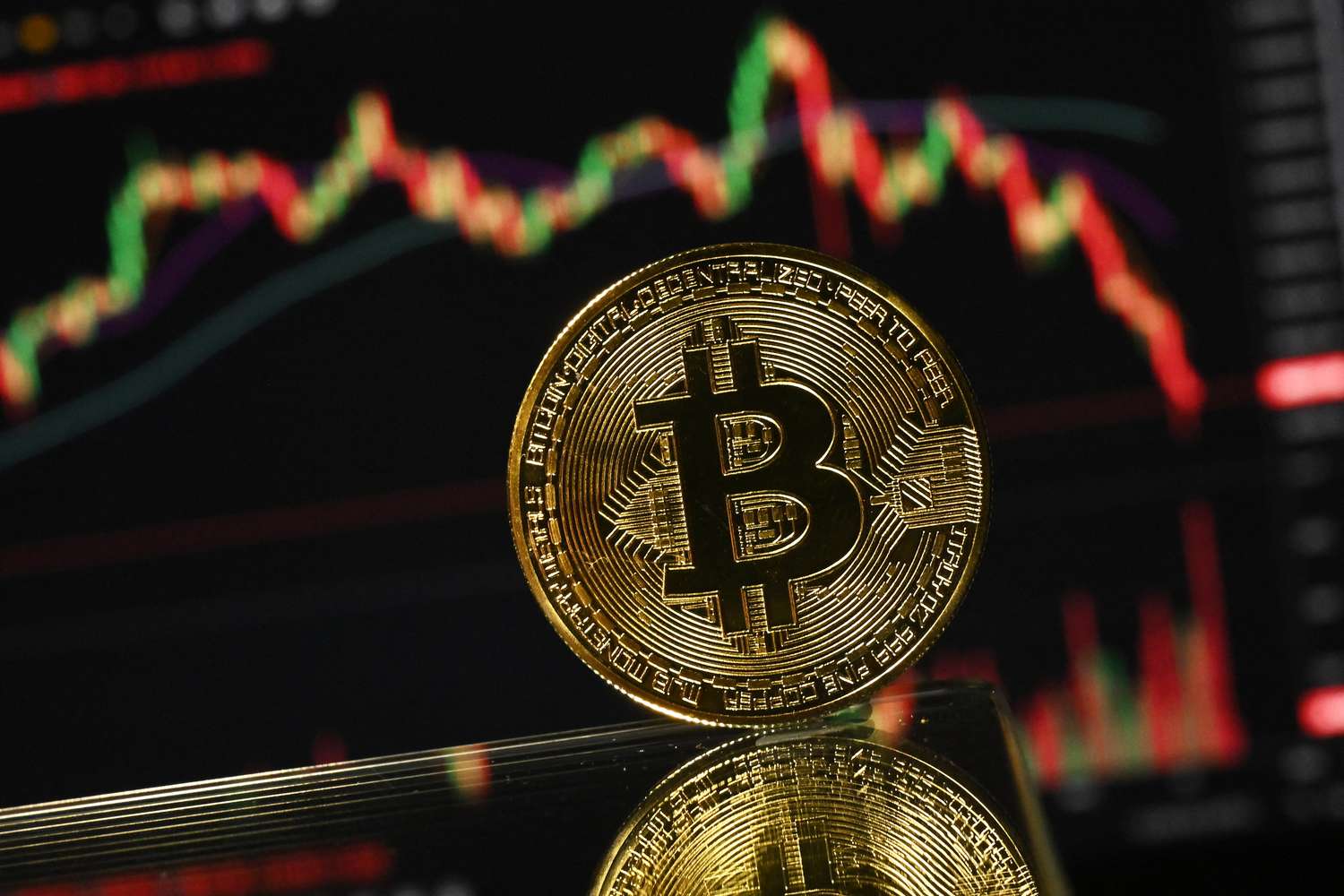
The cryptocurrency market experienced a noticeable downturn as rising geopolitical tensions began to influence investor behavior. Bitcoin, along with other major digital assets, saw a pullback that reflected growing caution among both retail and institutional participants. What initially appeared to be a stable trading period quickly shifted as global developments injected uncertainty into financial markets.
The Influence of Geopolitical Instability
Geopolitical events have long impacted traditional financial markets, but their influence on cryptocurrency is becoming increasingly evident. As tensions between major nations escalate, investors tend to reassess risk exposure. Digital assets, often viewed as speculative despite their growing maturity, are among the first to feel the impact of such sentiment shifts.
Bitcoin’s Role as a Market Indicator
Bitcoin continues to act as a bellwether for the broader crypto ecosystem. Its price movement often sets the tone for altcoins and emerging tokens. During this recent decline, Bitcoin’s inability to maintain upward momentum signaled a broader retreat across the market. This reaction highlights how closely tied investor confidence is to Bitcoin’s stability.
Altcoins Follow the Downtrend
As Bitcoin dipped, altcoins mirrored the downward movement, with some experiencing sharper declines. This pattern reflects the interconnected nature of the crypto market, where liquidity and sentiment flow rapidly across assets. Investors seeking to reduce exposure often move capital out of higher risk altcoins first, amplifying their volatility.
Institutional Behavior Under Pressure
Institutional investors, who have become increasingly active in the crypto space, are also adjusting their strategies. During periods of global uncertainty, institutions tend to prioritize capital preservation. This often results in reduced trading volumes or temporary exits from volatile assets, contributing to downward pressure on prices.
Correlation with Traditional Markets
Another notable trend is the growing correlation between cryptocurrencies and traditional financial markets. As stock markets react to geopolitical developments, crypto assets are showing similar patterns. This challenges the earlier narrative of cryptocurrencies acting as a hedge against global instability and instead positions them as part of a broader risk asset category.
Investor Psychology and Market Volatility
Market sentiment plays a crucial role in driving price movements. Fear and uncertainty can spread quickly, leading to rapid sell offs and increased volatility. In the current environment, even minor developments can trigger significant reactions, as traders remain highly sensitive to news and global events.
Opportunities Amid the Decline
Despite the downturn, some investors view the situation as an opportunity rather than a setback. Market corrections can create entry points for those with a long term perspective. Historically, periods of uncertainty have often been followed by phases of recovery and growth within the crypto sector.
The Importance of Risk Management
This period serves as a reminder of the importance of risk management in cryptocurrency investing. Diversification, strategic allocation, and disciplined decision making become essential when markets are influenced by external factors beyond the crypto ecosystem itself.
Looking Forward
The future direction of the market will depend largely on how geopolitical tensions evolve. If stability returns, investor confidence could recover quickly, leading to renewed momentum. However, prolonged uncertainty may continue to weigh on prices and limit short term growth.
Popular articles


Subscribe to unlock premium content
Disney’s Timeless Magic and How the Entertainment Giant Continues to Shape Culture and Innovation

Imran Khan’s Economic Missteps Amid Political Chaos in Pakistan
The Philippines’ Digital Shift How Remittances and BPO Are Fueling Growth

Disney’s Timeless Magic and How the Entertainment Giant Continues to Shape Culture and Innovation
Imran Khan’s Economic Missteps Amid Political Chaos in Pakistan
Disney’s Timeless Magic and How the Entertainment Giant Continues to Shape Culture and Innovation