
AI and Algorithmic Tokens Face Sharp Sell Off as Market Reassesses Risk

AI and Algorithmic Tokens Face Sharp Sell Off as Market Reassesses Risk
By
Rachel Steinberg
Last updated:
December 16, 2025
First Published:
December 16, 2025

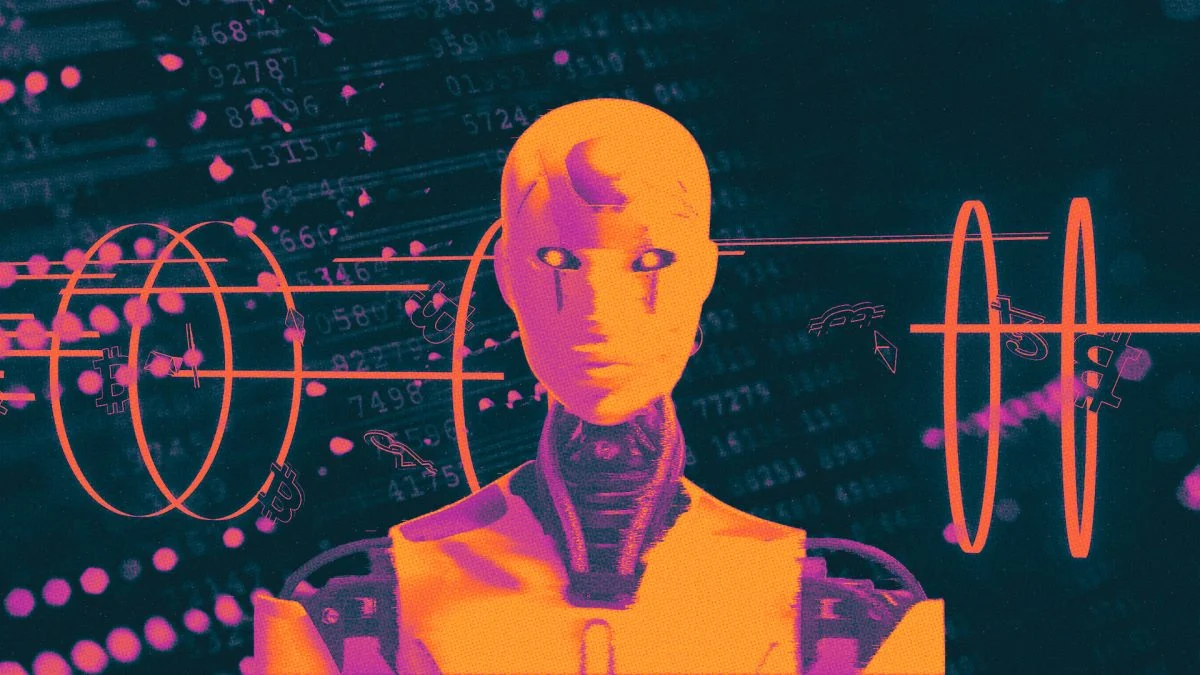
Photo: The Block
AI‑centric and algorithmically driven tokens captured significant attention over the past year. Promises of automated trading, artificial intelligence integration, and innovative decentralized applications attracted both retail and institutional investors. However, recent trading patterns indicate that enthusiasm is being tempered by market realities, leading to a notable correction in several high profile assets.
Recent Market Behavior
Tokens associated with virtual intelligence protocols and automated blockchain solutions have experienced rapid value declines. The sell off reflects both profit taking and growing caution among investors concerned about liquidity, network adoption, and technological execution. While volatility has always been characteristic of crypto, the speed and scale of these declines underscore the fragile sentiment surrounding experimental assets.
Underlying Causes of Decline
Multiple factors contribute to the correction. Elevated valuations combined with limited real world adoption have made these tokens vulnerable to market reassessment. Additionally, global macroeconomic conditions, interest rate expectations, and competition from more established networks have heightened scrutiny, amplifying price adjustments.
Investor Reactions
Retail investors are reacting cautiously, with many reducing exposure to high risk AI‑linked tokens. Institutional participants are recalibrating strategies to prioritize assets with proven liquidity and adoption. This collective shift emphasizes the maturing approach to portfolio management within the crypto sector.
Technological Readiness and Market Confidence
Despite innovative potential, many AI and algorithmic tokens face technical and operational challenges. Limited scalability, untested network performance, and uncertain regulatory classification contribute to investor hesitation. Market confidence is closely tied to both project execution and broader technological readiness.
Liquidity and Trading Dynamics
High volatility and concentrated holdings exacerbate sell off effects. With limited market depth, even moderate liquidation events can trigger substantial price swings. This dynamic highlights the importance of liquidity management and prudent risk assessment for next generation digital assets.
Comparisons with Established Cryptocurrencies
Unlike Bitcoin or Ethereum, which benefit from robust adoption and stable infrastructure, AI and algorithmic tokens lack entrenched networks. The correction serves as a reminder that speculative appeal alone cannot sustain long term value. Investors are increasingly differentiating between hype and sustainable innovation.
Regulatory and Compliance Considerations
Some of the assets impacted by the sell off are navigating unclear regulatory landscapes. Compliance uncertainty adds an additional layer of risk for institutional participants. Projects demonstrating transparency and alignment with emerging standards are better positioned to regain market trust.
Implications for the Crypto Industry
The recent sell off may catalyze a broader market reassessment, emphasizing due diligence, technological validation, and practical utility over speculative narratives. Projects that survive this correction are likely to emerge stronger, with more rigorous frameworks and investor confidence.
Future Outlook for AI and Algorithmic Tokens
While volatility persists, the sector is not without promise. Developers and investors who focus on scalability, integration, and proven application may unlock long term growth. The market correction represents both a challenge and an opportunity, signaling that next generation crypto assets must balance innovation with operational maturity.

Popular articles



Subscribe to unlock premium content
Disney’s Timeless Magic and How the Entertainment Giant Continues to Shape Culture and Innovation

Imran Khan’s Economic Missteps Amid Political Chaos in Pakistan

The Philippines’ Digital Shift How Remittances and BPO Are Fueling Growth

Disney’s Timeless Magic and How the Entertainment Giant Continues to Shape Culture and Innovation
Imran Khan’s Economic Missteps Amid Political Chaos in Pakistan
Disney’s Timeless Magic and How the Entertainment Giant Continues to Shape Culture and Innovation