XRP Falls Below One Dollar Forty Five as Bearish Momentum Accelerates

XRP Falls Below One Dollar Forty Five as Bearish Momentum Accelerates
By
Junia Wells
Last updated:
February 22, 2026
First Published:
February 22, 2026

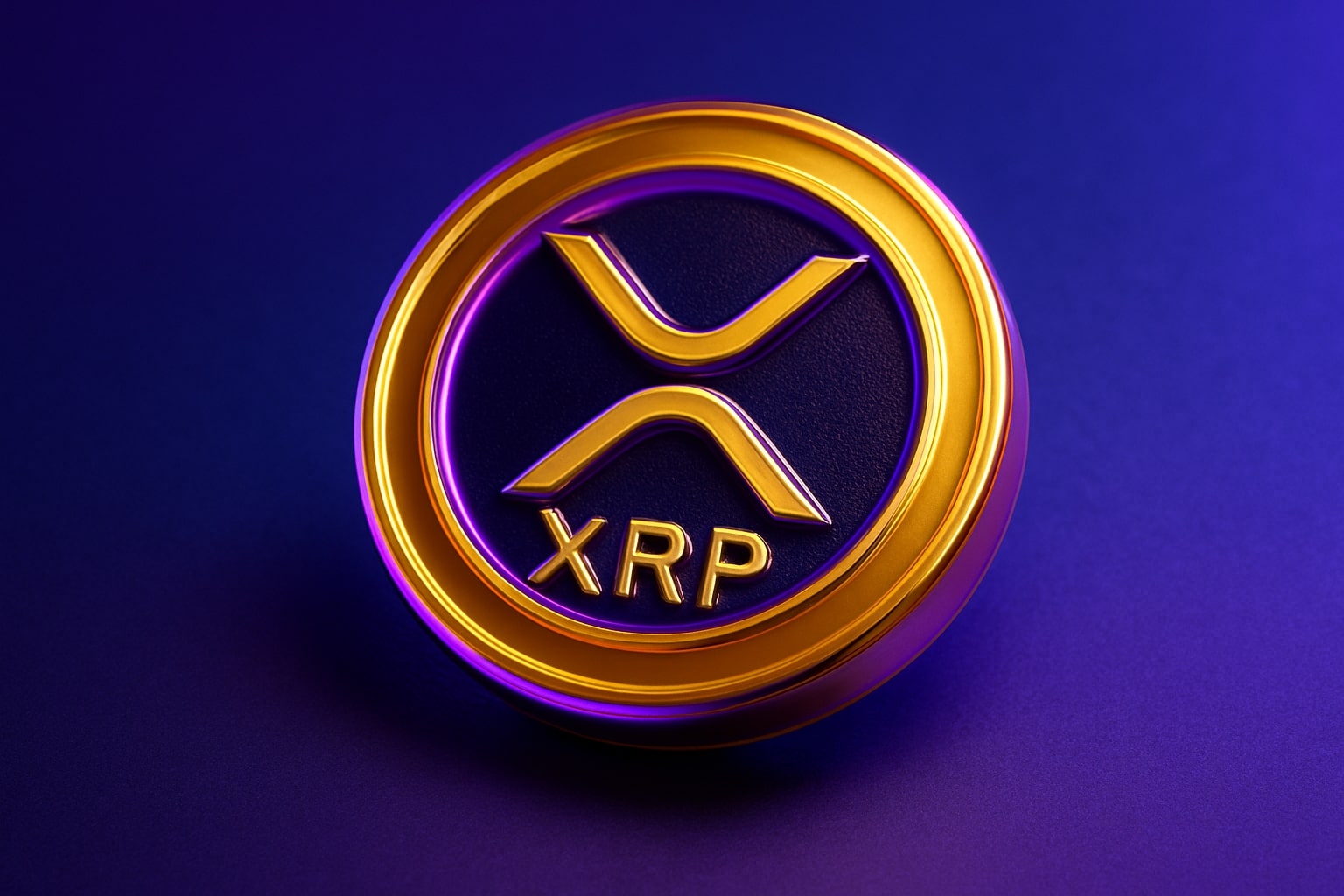
Photo: Trading News
A Sharp Breakdown Reshapes Market Expectations
XRP has slipped below the one dollar forty five threshold, marking a significant technical development for traders monitoring short term momentum. The breakdown occurred amid broad market weakness, but the speed of the decline has drawn particular attention. Price levels that previously acted as reliable support have now turned into resistance, altering the near term outlook for the asset.
Selling Pressure Builds Across Major Exchanges
Trading activity surged as the price moved lower, indicating that the decline was accompanied by substantial order flow rather than thin liquidity conditions. When support levels fail decisively, automated trading systems often trigger additional sell orders. This chain reaction can accelerate downward movement and deepen intraday volatility, especially in assets with high speculative participation.
Derivatives Data Signals Rising Caution
Futures funding rates have cooled, and leveraged long positions have been reduced considerably. The derivatives market often provides early insight into trader sentiment, and current positioning suggests a shift toward defensive strategies. Open interest has contracted, reflecting a reduction in aggressive bullish bets and a preference for capital preservation.
Technical Landscape Turns Bearish
From a chart structure perspective, XRP is trading below short term moving averages that previously guided upward momentum. Momentum indicators have rolled into negative territory, reinforcing the bearish narrative. Analysts are now focused on identifying the next meaningful support range where buyers may attempt to stabilize price action. If demand fails to materialize, the path of least resistance may remain downward.
On Chain Activity Offers Mixed Signals
Blockchain transaction data presents a more balanced view. While exchange inflows have increased, suggesting near term selling intent, overall network usage remains relatively stable. Payment related transfers and ledger activity continue at consistent levels. This divergence between market price and network utility highlights the complex relationship between speculation and fundamental adoption.
Legal and Regulatory Context Remains Relevant
XRP has historically been sensitive to regulatory developments. Although recent months have not introduced dramatic new legal shifts, lingering uncertainty continues to influence investor psychology. Market participants remain attentive to policy clarity and institutional acceptance, both of which can materially affect long term valuation.
Retail Traders React to Volatility
Retail engagement often intensifies during sharp moves, and social channels have reflected heightened debate about the asset’s direction. Some traders interpret the dip as a potential accumulation opportunity, while others fear a deeper corrective cycle. Emotional decision making during volatile periods frequently amplifies price swings in either direction.
Correlation With Broader Crypto Market
The decline in XRP does not exist in isolation. Broader weakness across major digital assets has created a risk off environment. When Bitcoin and Ethereum experience downward pressure, alternative tokens often face amplified selling due to their higher volatility profile. XRP’s recent movement aligns with this broader pattern of market sensitivity.
Institutional Participation Remains Selective
Large scale investors appear cautious, with limited evidence of aggressive accumulation during the recent slide. Institutional capital tends to favor assets with clearer macro narratives or stronger liquidity depth. While XRP retains significant market capitalization and exchange presence, conviction among major funds appears measured rather than enthusiastic.
The Road Ahead Depends on Buyer Conviction
The coming sessions will likely determine whether XRP stabilizes near current levels or continues lower in search of stronger demand. A decisive recovery above former support could restore confidence and shift momentum. Conversely, sustained weakness may encourage additional distribution from short term holders. As volatility remains elevated, disciplined risk management will be critical for participants navigating this phase of the market.
Popular articles



Subscribe to unlock premium content
Disney’s Timeless Magic and How the Entertainment Giant Continues to Shape Culture and Innovation

Imran Khan’s Economic Missteps Amid Political Chaos in Pakistan

The Philippines’ Digital Shift How Remittances and BPO Are Fueling Growth

Disney’s Timeless Magic and How the Entertainment Giant Continues to Shape Culture and Innovation
Imran Khan’s Economic Missteps Amid Political Chaos in Pakistan
Disney’s Timeless Magic and How the Entertainment Giant Continues to Shape Culture and Innovation