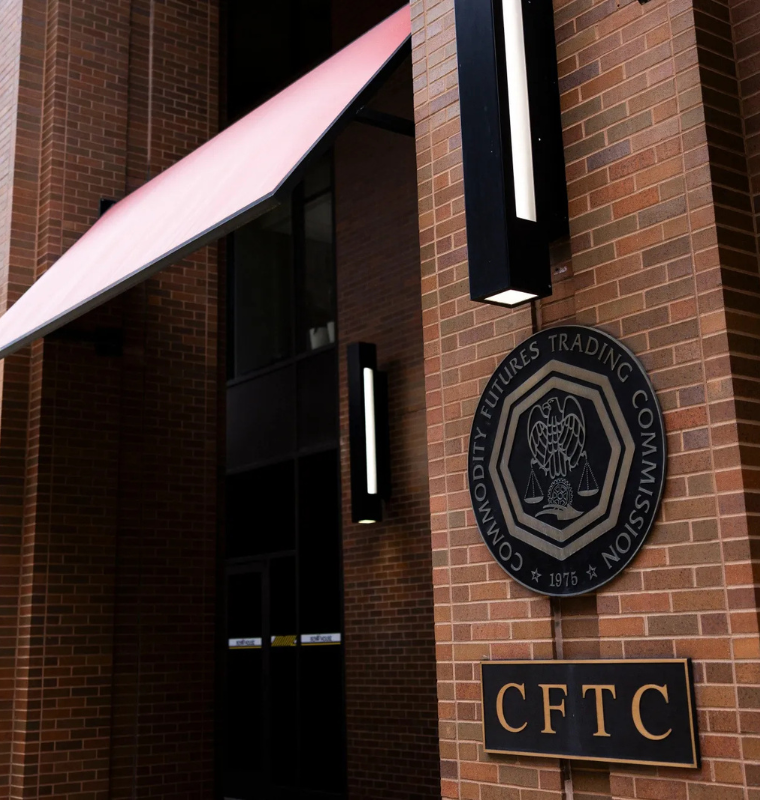

US Senate Delays Landmark Crypto Regulation Bill
By
Alina Sinclair
Last updated:
January 15, 2026
First Published:
April 25, 2026

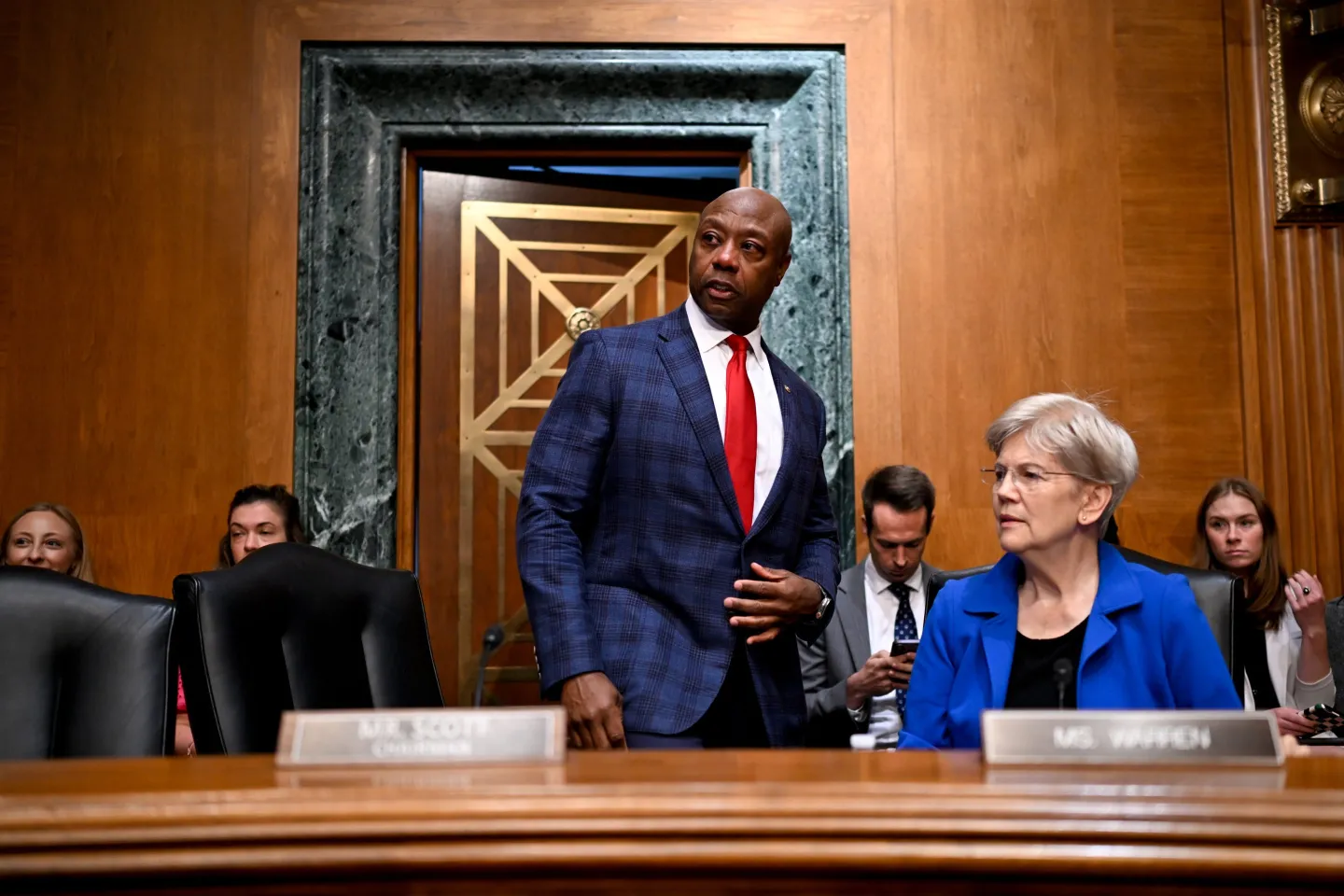
Getty Images
A Critical Moment for Crypto Regulation
The United States cryptocurrency industry has reached another pivotal moment as the Senate delays a long anticipated digital asset regulation bill. The proposed legislation was designed to bring structure and clarity to a rapidly expanding market that has long operated in regulatory gray areas. The delay has intensified uncertainty across the crypto ecosystem while reigniting debates around innovation investor protection and government oversight.
Background of the Proposed Bill
The bill aimed to define how cryptocurrencies and related businesses should be classified regulated and supervised at the federal level. It sought to outline responsibilities among regulatory bodies while addressing issues such as consumer safety market manipulation and compliance standards. For many industry participants this framework was seen as a necessary step toward legitimacy and broader institutional adoption.
Industry Pushback and Influence
One of the key reasons for the delay has been vocal opposition from major industry leaders who argue that the current draft could hinder innovation. Concerns were raised about overly restrictive provisions that may burden exchanges developers and startups. These voices have significant influence given their role in shaping the domestic crypto economy and employing thousands across the sector.
Impact on Crypto Markets
The pause in legislative momentum has had an immediate psychological effect on the market. While prices did not collapse outright the uncertainty contributed to increased volatility and cautious trading behavior. Investors tend to respond strongly to regulatory signals and delays often translate into hesitation especially among institutions that rely on legal clarity before deploying capital.
Challenges Facing Lawmakers
Crafting effective crypto regulation is a complex task. Lawmakers must balance consumer protection with technological progress while also considering global competitiveness. Digital assets operate without borders yet regulation is inherently national. This mismatch makes it difficult to design rules that are both enforceable and flexible enough to accommodate innovation.
Concerns Over Innovation Flight
A major argument from the crypto industry is the risk of innovation moving offshore. If regulations are perceived as hostile or unclear companies may choose to establish operations in more crypto friendly jurisdictions. This could result in lost jobs reduced tax revenue and diminished influence over the future of blockchain technology.
Consumer Protection Debate
Supporters of stricter rules emphasize the need to protect everyday investors. High profile collapses hacks and fraud cases have highlighted the risks of an under regulated market. Lawmakers advocating caution argue that delaying the bill allows more time to refine protections and prevent unintended loopholes that bad actors could exploit.
Global Regulatory Context
The US delay comes at a time when other regions are moving ahead with comprehensive crypto frameworks. Several international markets have already implemented licensing regimes and clear compliance rules. The longer the US waits the greater the risk of falling behind in setting global standards for digital finance.
What This Means for Crypto Businesses
For exchanges blockchain startups and service providers the delay means continued operational ambiguity. Many firms must still navigate a patchwork of state level rules and informal federal guidance. This environment increases legal costs and complicates long term planning particularly for companies seeking mainstream partnerships.
The Road Ahead
While the delay has frustrated many stakeholders it does not signal the end of crypto regulation efforts. Revised drafts negotiations and compromises are likely in the coming months. The outcome will shape not only the future of cryptocurrencies in the United States but also its position in the global digital economy. For now the industry remains in a holding pattern waiting for clarity that could define the next decade of blockchain innovation.
Popular articles



Subscribe to unlock premium content
Imran Khan’s Economic Missteps Amid Political Chaos in Pakistan

The Philippines’ Digital Shift How Remittances and BPO Are Fueling Growth

Is the Era of Globalization Over or Just Evolving?

Imran Khan’s Economic Missteps Amid Political Chaos in Pakistan
The Philippines’ Digital Shift How Remittances and BPO Are Fueling Growth
Imran Khan’s Economic Missteps Amid Political Chaos in Pakistan