
US Senate Advances CLARITY Act as Crypto Regulation Debate Intensifies

US Senate Advances CLARITY Act as Crypto Regulation Debate Intensifies
By
Alina Sinclair
Last updated:
May 17, 2026
First Published:
May 17, 2026

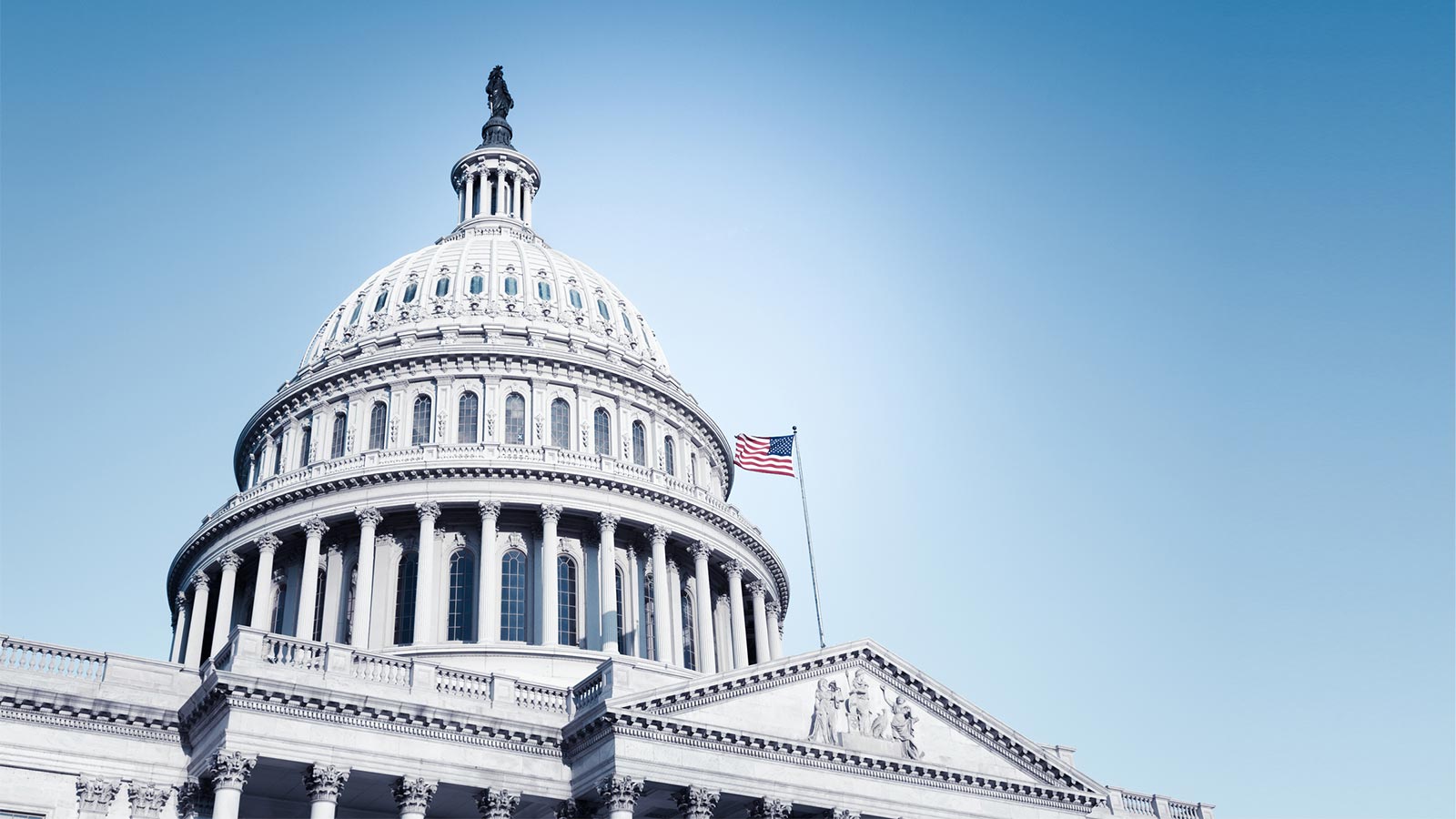
Photo: Construction Executive
The cryptocurrency industry entered a defining moment after the United States Senate moved forward with the much discussed CLARITY Act, a legislative proposal designed to establish clearer rules for digital assets, crypto exchanges, blockchain projects, and decentralized financial platforms. The advancement of the bill immediately sparked widespread reactions across financial markets, technology circles, and investment communities as industry participants attempted to understand how the proposed framework could reshape the future of crypto in America.
For years, cryptocurrency companies have operated inside a confusing regulatory environment where multiple agencies claimed authority over digital assets without offering precise guidelines. This uncertainty created friction between blockchain innovators and regulators while also discouraging major institutional investors from entering the market at full scale. The latest Senate movement around the CLARITY Act appears to signal a serious effort to reduce that confusion and create a more structured environment for the rapidly expanding digital economy.
Growing Pressure for Regulatory Clarity
The push for crypto regulation did not emerge overnight. Over the past several years, the industry experienced repeated waves of volatility, exchange collapses, stablecoin controversies, and legal disputes involving major blockchain companies. Policymakers increasingly argued that stronger oversight was necessary to protect investors while still allowing technological innovation to continue. The CLARITY Act represents one of the most comprehensive attempts yet to address those concerns through formal legislation rather than scattered enforcement actions.
Many supporters of the bill believe the legislation could finally establish a consistent definition for digital assets. One of the biggest problems in the current market has been uncertainty regarding whether certain cryptocurrencies should be treated as securities, commodities, or entirely new financial instruments. That lack of definition created legal battles and compliance confusion for both startups and multinational firms operating within the blockchain ecosystem.
Impact on Crypto Exchanges and Trading Platforms
Crypto exchanges are expected to become some of the most directly affected organizations if the legislation becomes law. Trading platforms may face stricter reporting obligations, reserve requirements, operational transparency standards, and customer protection measures. While some critics argue these rules could increase operational costs, supporters believe the changes may ultimately strengthen consumer confidence and attract larger pools of institutional capital.
Several industry executives have cautiously welcomed the Senate movement, describing it as a necessary step toward maturity for the cryptocurrency sector. Many firms now believe that operating under clearly defined regulations could improve relationships with banks, payment processors, and government agencies. Some executives even argue that regulatory certainty may unlock the next major growth phase for blockchain businesses throughout North America.
Institutional Investors React Positively
One of the strongest reactions to the Senate development came from institutional investors and asset management firms. Traditional financial institutions have long shown interest in cryptocurrency markets, but many remained hesitant because of regulatory ambiguity. The possibility of a structured legal framework immediately generated optimism among investors seeking long term exposure to digital assets.
Analysts observed renewed interest in Bitcoin related financial products shortly after discussions around the bill intensified. Large investors often prioritize stability and predictability before allocating substantial capital to emerging sectors. A clearer regulatory framework may provide the confidence required for pension funds, hedge funds, and multinational banks to increase their involvement in blockchain related investments.
Bitcoin and Altcoin Market Reactions
The cryptocurrency market itself responded with noticeable volatility as traders attempted to interpret the long term implications of the proposed legislation. Bitcoin initially experienced upward momentum as investors viewed the Senate action as evidence that governments were moving toward acceptance rather than outright resistance. Several major altcoins also recorded gains amid growing speculation that the regulatory environment could become more favorable for legitimate blockchain projects.
However, not all market participants reacted with complete optimism. Some decentralized finance advocates expressed concern that stricter oversight might limit innovation or create excessive compliance burdens for smaller projects. Others warned that aggressive reporting standards could challenge privacy focused blockchain ecosystems. Despite those concerns, the broader market sentiment appeared cautiously positive during the early stages of the debate.
The Political Divide Surrounding Crypto
The CLARITY Act has also highlighted growing political divisions regarding cryptocurrency policy in the United States. Some lawmakers view blockchain innovation as an important driver of economic growth and technological competitiveness. Others remain deeply skeptical of digital assets due to concerns involving fraud, market manipulation, and financial instability.
This political divide has created intense negotiations inside Washington. Supporters of the bill argue that America risks falling behind global competitors if lawmakers fail to create modern digital asset regulations. Countries across Europe, Asia, and the Middle East have already introduced more comprehensive crypto frameworks in recent years, attracting blockchain companies seeking regulatory stability.
Opponents of the legislation remain cautious about moving too quickly. Certain policymakers believe stronger investor protection mechanisms should be included before the industry receives broader legal recognition. These disagreements are expected to continue shaping the conversation as the bill advances through additional legislative stages.
Global Implications for the Blockchain Industry
The Senate movement surrounding the CLARITY Act is not only significant for the United States but also for the international cryptocurrency industry. Because America remains one of the largest financial markets in the world, regulatory decisions made in Washington often influence global market trends. Blockchain companies operating internationally are closely monitoring developments because future American policies may affect licensing structures, cross border transactions, and investor participation worldwide.
If the legislation eventually becomes law, it could encourage other governments to accelerate their own digital asset frameworks. Some analysts believe a successful American regulatory model may become a blueprint for future international standards regarding cryptocurrency operations and blockchain governance.
Startups Face Both Opportunity and Challenge
Smaller blockchain startups may experience both benefits and difficulties under a more regulated environment. On one hand, clearer legal definitions could reduce uncertainty and make fundraising easier for legitimate companies. Venture capital firms generally prefer markets with stable regulatory expectations because it lowers long term operational risk.
On the other hand, compliance costs may increase substantially for early stage projects with limited resources. Startups may need to invest more heavily in legal teams, reporting systems, and cybersecurity infrastructure to meet future standards. This could create a more competitive environment where only the strongest and most organized blockchain firms survive long term.
Public Perception of Cryptocurrency Continues to Evolve
The growing attention surrounding the CLARITY Act also reflects changing public attitudes toward cryptocurrency. Several years ago, digital assets were still viewed by many people as experimental or speculative technology. Today, blockchain discussions regularly appear in mainstream political, financial, and economic conversations.
More consumers are becoming familiar with Bitcoin, stablecoins, decentralized finance applications, and tokenized assets. As public awareness grows, governments are facing increasing pressure to establish policies that balance innovation with consumer protection. The current Senate debate demonstrates that cryptocurrency has evolved from a niche technology topic into a serious economic and political issue.
The Road Ahead for Crypto Regulation
Although the Senate advancement of the CLARITY Act marks an important milestone, the legislative process remains far from complete. The proposal will likely undergo revisions, debates, and negotiations before any final outcome is reached. Industry participants expect months of continued discussions as lawmakers attempt to balance innovation, financial stability, and investor protection.
Regardless of the final structure of the legislation, one reality has become increasingly clear. Cryptocurrency regulation is no longer a distant possibility but an unavoidable part of the industry’s future. Blockchain companies, investors, developers, and financial institutions are now preparing for a market environment where regulatory compliance may become just as important as technological innovation itself.
The advancement of the CLARITY Act may ultimately be remembered as a pivotal moment in the evolution of digital assets. Whether the legislation becomes a catalyst for broader adoption or a source of new industry challenges will depend on how lawmakers, regulators, and crypto leaders navigate the next stage of this rapidly evolving financial revolution.
Popular articles



Subscribe to unlock premium content
Imran Khan’s Economic Missteps Amid Political Chaos in Pakistan

The Philippines’ Digital Shift How Remittances and BPO Are Fueling Growth

Is the Era of Globalization Over or Just Evolving?

Imran Khan’s Economic Missteps Amid Political Chaos in Pakistan
The Philippines’ Digital Shift How Remittances and BPO Are Fueling Growth
Imran Khan’s Economic Missteps Amid Political Chaos in Pakistan