US Senate Advances a New Vision for Crypto Market Structure
By
Leah Rosenfeld
Last updated:
January 13, 2026
First Published:
April 25, 2026

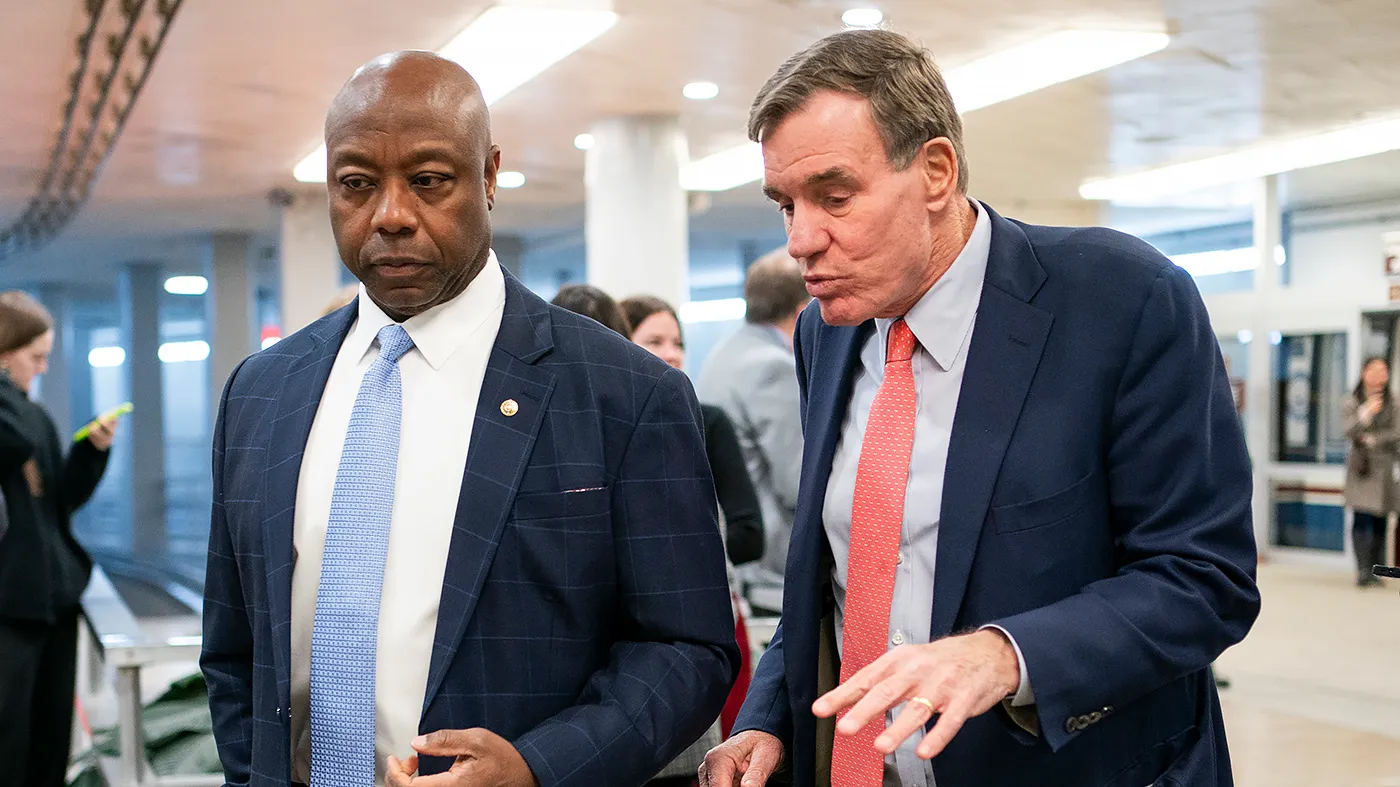
Photo: The Hill
A Renewed Legislative Push for Crypto Clarity
The United States Senate has once again stepped into the evolving world of digital assets with an updated proposal focused on crypto market structure. This renewed effort reflects growing awareness among lawmakers that cryptocurrencies decentralized finance and blockchain based markets are now deeply intertwined with the broader financial system. The bill represents an attempt to move beyond enforcement driven oversight toward a more structured and forward looking approach.
Why Market Structure Has Become a Priority
For years the crypto industry has operated without a clear framework defining how markets should function at scale. This lack of structure created uncertainty for exchanges developers and investors. The updated bill seeks to address this gap by outlining how digital asset markets should be organized supervised and governed while still allowing innovation to thrive within defined boundaries.
Recognizing the Role of Decentralized Finance
One of the most notable aspects of the proposal is its explicit recognition of decentralized finance. Rather than treating DeFi as a regulatory loophole the bill acknowledges it as a distinct and legitimate part of the crypto ecosystem. This shift signals a more nuanced understanding of how decentralized protocols operate without centralized intermediaries.
Protections Designed Specifically for DeFi Developers
The legislation introduces language intended to protect developers who build open source decentralized protocols. By distinguishing between software creators and centralized financial operators the bill aims to reduce legal ambiguity that previously discouraged innovation. This approach could encourage builders to continue developing transparent and permissionless financial tools without fear of unintended regulatory consequences.
Stablecoins as a Core Focus Area
Stablecoins play a critical role in crypto markets by enabling liquidity and price stability. The updated bill addresses stablecoins with a more balanced approach that considers consumer protection financial stability and innovation. Clear standards around reserves disclosures and issuance could strengthen trust while preserving the utility that stablecoins provide to traders and platforms.
Clarifying Oversight and Regulatory Boundaries
A central goal of the bill is to define which regulatory bodies oversee various segments of the crypto market. By clarifying responsibilities between agencies the proposal aims to reduce overlap and conflicting interpretations. This clarity could make compliance more predictable and reduce the risk of sudden regulatory actions disrupting markets.
Implications for Exchanges and Trading Platforms
Crypto exchanges stand to benefit from a clearer market structure framework. Defined rules around trading practices custody and disclosures can enhance transparency and market integrity. While compliance requirements may increase the long term effect could be stronger user trust and more sustainable growth for compliant platforms.
Investor Protection Without Overreach
The bill emphasizes investor protection through transparency and fair market practices rather than restrictive controls. By focusing on disclosure risk awareness and accountability the framework seeks to empower investors to make informed decisions. This approach aligns with the goal of fostering participation while minimizing systemic risk.
Industry Response and Ongoing Debate
Reaction from the crypto industry has been mixed but largely engaged. Some participants welcome the clarity and recognition of DeFi while others remain cautious about how provisions will be implemented in practice. The ongoing dialogue between lawmakers and industry stakeholders will play a crucial role in shaping the final outcome.
Challenges on the Path to Adoption
Despite its progress the bill still faces political and practical challenges. Achieving consensus in a rapidly evolving technological landscape is complex. Lawmakers must balance innovation competitiveness and consumer protection while addressing concerns from both traditional finance and decentralized communities.
A Step Toward Long Term Market Maturity
If enacted the updated crypto market structure bill could mark a significant step toward maturity for the US digital asset ecosystem. Clear rules that respect decentralization while enforcing accountability may help integrate crypto more deeply into the global financial system.
What This Means for the Future of DeFi
For decentralized finance this legislation represents cautious optimism. Recognition and tailored protections suggest a future where DeFi can coexist with regulation rather than operate in opposition to it. This balance could unlock broader adoption institutional participation and long term sustainability for decentralized markets.

Popular articles



Subscribe to unlock premium content
Imran Khan’s Economic Missteps Amid Political Chaos in Pakistan

The Philippines’ Digital Shift How Remittances and BPO Are Fueling Growth

Is the Era of Globalization Over or Just Evolving?

Imran Khan’s Economic Missteps Amid Political Chaos in Pakistan
The Philippines’ Digital Shift How Remittances and BPO Are Fueling Growth
Imran Khan’s Economic Missteps Amid Political Chaos in Pakistan