US Senate Accelerates Cryptocurrency Legislation Amid Regulatory Uncertainty

US Senate Accelerates Cryptocurrency Legislation Amid Regulatory Uncertainty
By
Alina Sinclair
Last updated:
January 11, 2026
First Published:
April 25, 2026

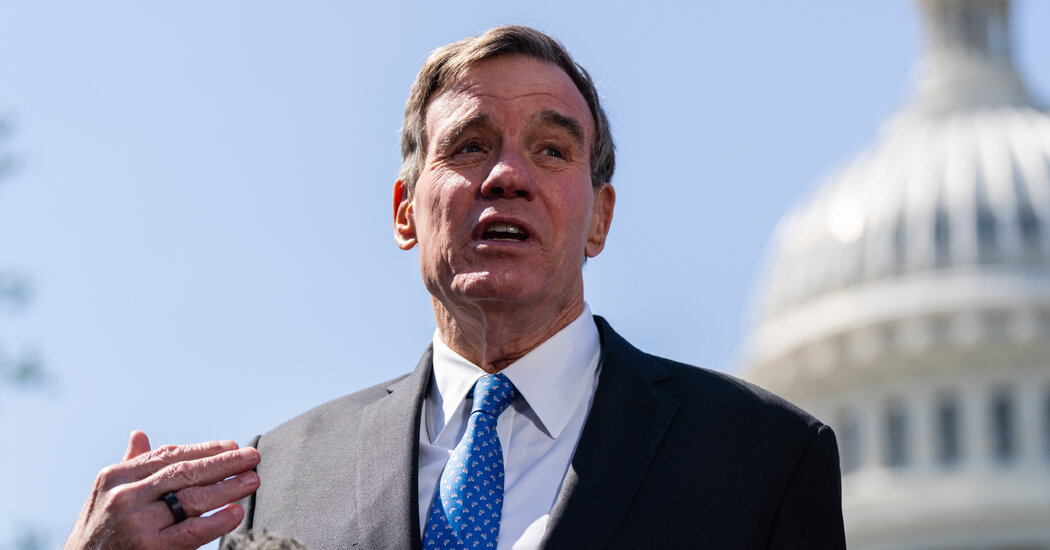
Photo: The New York Times
A shifting political landscape
The cryptocurrency industry in the United States has entered a decisive phase as Senate Republicans intensify efforts to move forward with a comprehensive digital asset bill. This push reflects growing recognition in Washington that cryptocurrencies and blockchain based systems are no longer niche technologies. They are now embedded in financial markets innovation and global capital flows. The proposed legislation aims to define how digital assets should be treated under federal law while addressing long standing regulatory ambiguity.
Why lawmakers are acting now
Pressure to legislate has increased due to the rapid expansion of crypto adoption by both retail users and institutions. Lawmakers are responding to concerns from investors exchanges and technology developers who have repeatedly called for clearer rules. Without a federal framework companies face inconsistent enforcement and uncertainty that discourages long term investment. The current initiative signals an attempt to provide stability and predictability to an industry that has outgrown informal oversight.
Key goals of the proposed bill
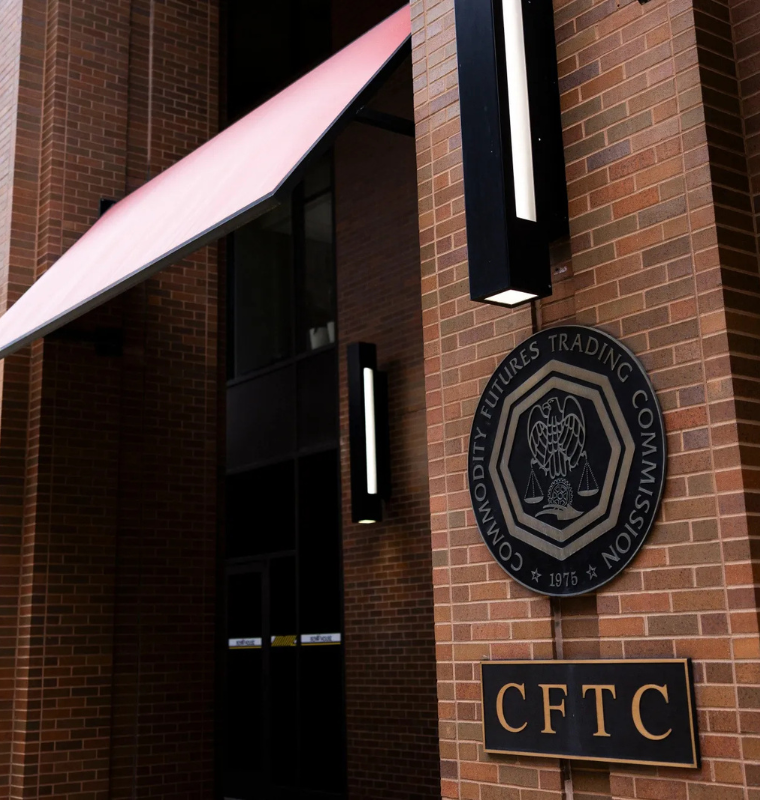
At its core the draft legislation seeks to clarify the classification of digital assets and the authority of regulatory agencies. It attempts to define which assets fall under securities law and which are treated as commodities. This distinction is vital because it determines whether oversight belongs primarily to the Securities and Exchange Commission or the Commodity Futures Trading Commission. Clear definitions could significantly reduce regulatory disputes that have dominated the industry in recent years.
Political divisions and negotiation challenges
Despite the momentum the bill faces uncertainty due to limited Democratic commitment at this stage. Some lawmakers remain cautious citing concerns around consumer protection financial stability and illicit activity. These differences mean that negotiations are likely to be complex and prolonged. However supporters argue that delaying legislation poses greater risks by leaving the industry in a regulatory vacuum that benefits neither consumers nor regulators.
Impact on crypto markets and investors
Markets are closely watching the Senate’s actions as legislation could influence investor confidence. Clear rules may encourage institutional participation by reducing legal risk. Retail investors may also benefit from stronger disclosure requirements and standardized protections. In contrast prolonged political disagreement could maintain volatility as businesses continue to operate without firm guidance.
Implications for exchanges and service providers
Crypto exchanges custodians and payment platforms stand to be directly affected by the proposed framework. Regulatory clarity could allow them to plan compliance strategies more effectively and expand services within the United States. Many platforms have considered relocating or limiting operations due to uncertainty. A defined legal environment could reverse this trend and strengthen domestic innovation.
The role of consumer protection
Supporters of the bill emphasize that regulation does not mean restricting innovation. Instead it aims to protect users from fraud manipulation and systemic risks. By setting standards for disclosures custody and risk management lawmakers hope to reduce high profile failures that have damaged public trust. Effective consumer safeguards could support healthier long term growth for the sector.
Global competitiveness at stake
The United States risks falling behind other regions that have already implemented comprehensive crypto frameworks. Jurisdictions in Europe and parts of Asia have moved faster to provide regulatory certainty. Senate Republicans argue that passing legislation is essential to maintaining American leadership in financial technology and blockchain innovation. Without action talent and capital may continue to flow to more predictable markets abroad.
What happens next in the Senate
The coming weeks will likely involve revisions discussions and potential compromises aimed at securing broader support. Committee reviews and stakeholder input will shape the final version of the bill. While passage is not guaranteed the accelerated timeline suggests that lawmakers recognize the urgency of the issue and the costs of inaction.
A defining moment for the crypto industry
This legislative push represents a turning point for cryptocurrency in the United States. Whether the bill succeeds or stalls it underscores a broader shift in how policymakers view digital assets. Crypto is no longer treated as an experimental sector but as a permanent part of the financial system. The outcome of this effort will shape the future of innovation regulation and market confidence for years to come.

Popular articles



Subscribe to unlock premium content
Imran Khan’s Economic Missteps Amid Political Chaos in Pakistan

The Philippines’ Digital Shift How Remittances and BPO Are Fueling Growth

Is the Era of Globalization Over or Just Evolving?

Imran Khan’s Economic Missteps Amid Political Chaos in Pakistan
The Philippines’ Digital Shift How Remittances and BPO Are Fueling Growth
Imran Khan’s Economic Missteps Amid Political Chaos in Pakistan