US Lawmakers Push Toward Crypto Market Unity
By
David Goldfarb
Last updated:
January 7, 2026
First Published:
April 25, 2026

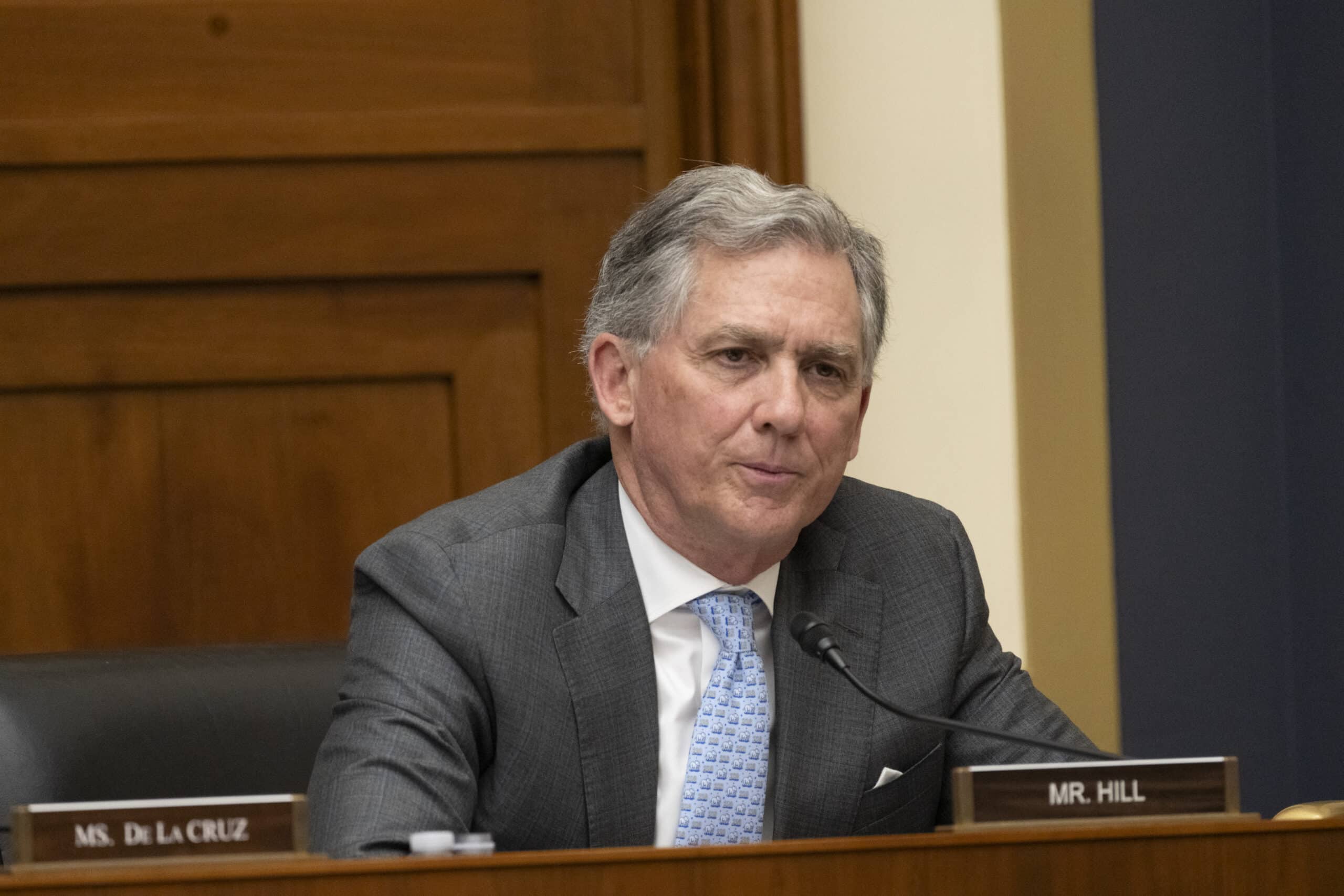
Photo: Unchained Crypto
A Fragmented System Reaches a Breaking Point
For years the United States cryptocurrency market has operated under overlapping and sometimes conflicting regulatory authorities. Different agencies have applied their own interpretations to digital assets creating confusion for companies and investors alike. This fragmented approach has slowed innovation encouraged regulatory arbitrage and increased legal risk. Lawmakers now recognize that the existing structure is no longer sustainable for a market of this scale.
Why Market Structure Has Become Urgent
Crypto markets have grown far beyond niche trading communities and now influence broader financial stability. Billions in value move through exchanges stablecoins and decentralized platforms every day. Without a clear market structure framework issues such as asset classification custody responsibility and trading oversight remain unresolved. The urgency to act is driven by the need to protect consumers while maintaining the global competitiveness of US financial markets.
The Push for Legislative Harmony
Current discussions in Congress focus on aligning responsibilities between financial regulators rather than expanding enforcement through ambiguity. Lawmakers aim to clearly define which assets fall under securities oversight and which qualify as commodities. This clarity is intended to end years of jurisdictional disputes that have left market participants uncertain about compliance expectations.
Balancing Innovation and Oversight
One of the central challenges lawmakers face is preserving innovation while enforcing accountability. Overly restrictive rules risk pushing startups offshore while weak oversight invites abuse and instability. The proposed market structure approach seeks a middle path where innovation can flourish within defined boundaries. This balance is critical for maintaining leadership in financial technology development.
Stablecoins as a Key Pressure Point
Stablecoins have emerged as a focal issue in market structure debates. These assets function as bridges between traditional finance and crypto markets yet often lack uniform standards. Lawmakers are discussing reserve transparency issuance rules and redemption rights to ensure stability. Clear stablecoin regulation is seen as essential to preventing systemic risks.
Exchanges and Trading Transparency
Crypto exchanges play a central role in price discovery and liquidity. Proposed reforms emphasize disclosure requirements segregation of customer assets and operational resilience. By holding exchanges to clearer standards lawmakers hope to reduce market manipulation and restore trust following past industry failures. Transparent trading environments are a cornerstone of any mature financial market.
Institutional Participation Depends on Clarity
Large financial institutions remain cautious due to regulatory uncertainty. A unified market structure could unlock broader institutional participation by reducing legal and compliance risk. Pension funds asset managers and banks require predictable rules before committing capital. Their involvement could deepen liquidity and stabilize markets over the long term.
Political Negotiations Shape the Outcome
Despite broad agreement on the need for clarity political differences remain. Debates continue over the scope of regulatory authority and the pace of implementation. Some lawmakers emphasize investor protection while others prioritize innovation and competitiveness. The final outcome will reflect compromises that shape the industry for years to come.
Global Implications of US Decisions
The United States plays a significant role in setting global financial norms. A coherent crypto market structure could influence how other countries design their own frameworks. Conversely continued uncertainty risks ceding leadership to jurisdictions with clearer rules. International competitiveness is a key consideration driving legislative momentum.
What This Means for the Crypto Industry
If successful a unified market structure would mark a turning point for the US crypto sector. Companies would be able to build with greater confidence and investors would gain clearer protections. While compliance costs may rise the reduction in uncertainty could encourage sustainable growth. The industry stands at a moment where collaboration between policymakers and innovators can define its future trajectory.

Popular articles



Subscribe to unlock premium content
Imran Khan’s Economic Missteps Amid Political Chaos in Pakistan

The Philippines’ Digital Shift How Remittances and BPO Are Fueling Growth

Is the Era of Globalization Over or Just Evolving?

Imran Khan’s Economic Missteps Amid Political Chaos in Pakistan
The Philippines’ Digital Shift How Remittances and BPO Are Fueling Growth
Imran Khan’s Economic Missteps Amid Political Chaos in Pakistan