
US Lawmakers Push Forward New Stablecoin Regulations Ahead of Summer Vote

US Lawmakers Push Forward New Stablecoin Regulations Ahead of Summer Vote
By
David Goldfarb
Last updated:
May 10, 2026
First Published:
May 10, 2026

.jpg)
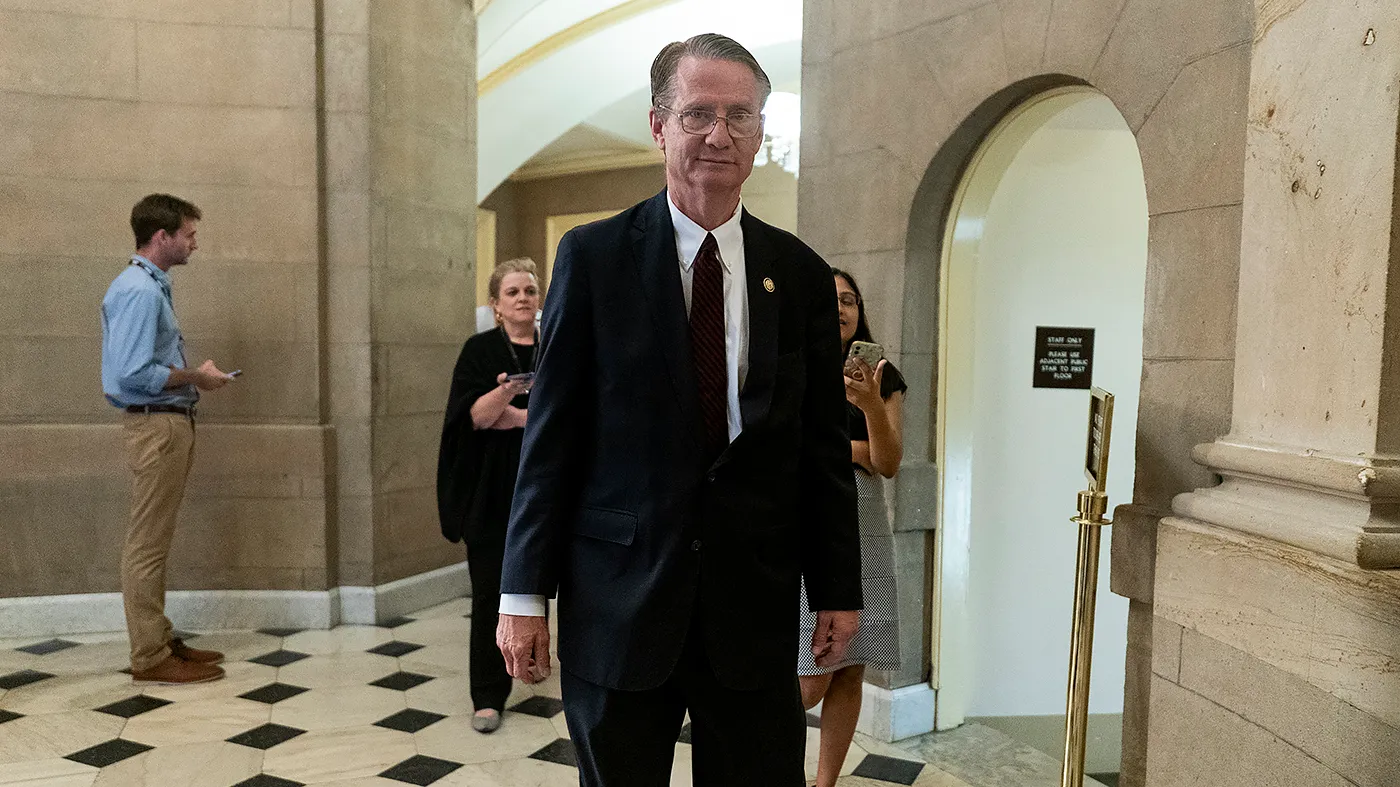
Photo: Forbes
The cryptocurrency industry entered another defining moment during May 2026 as lawmakers in the United States accelerated efforts to finalize a comprehensive stablecoin regulatory framework ahead of an expected summer congressional vote. The proposed legislation has quickly become one of the most closely watched developments in global digital finance because stablecoins now represent a rapidly expanding segment of the cryptocurrency economy. Investors, financial institutions, blockchain companies, and international regulators are all paying close attention as the United States attempts to establish clearer rules for one of the most influential areas of modern digital assets.
Stablecoins have evolved far beyond their original role as simple cryptocurrency trading tools. Today they function as a major source of liquidity across global crypto markets while increasingly influencing payment systems, cross border transfers, decentralized finance platforms, and even traditional banking infrastructure. As their economic importance continues growing, governments worldwide are under mounting pressure to introduce regulations that balance innovation with financial stability and consumer protection.
The latest push from Washington signals that policymakers are no longer treating stablecoins as a niche technology issue. Instead, lawmakers increasingly recognize that digital currencies linked to traditional fiat currencies may become a permanent component of the global financial system.
Stablecoins Become Central to Modern Crypto Markets
Stablecoins are digital currencies designed to maintain stable value by linking their price to assets such as the United States dollar. Unlike highly volatile cryptocurrencies, stablecoins aim to provide price consistency while allowing users to benefit from blockchain technology and fast digital transactions.
Over recent years, stablecoins have become essential infrastructure within the cryptocurrency ecosystem. Traders frequently use them to move funds between exchanges without relying on traditional banking systems. Decentralized finance applications also depend heavily on stablecoins for lending, borrowing, and liquidity management.
The rapid growth of stablecoin circulation has attracted the attention of regulators worldwide. Some stablecoin issuers now manage reserves worth tens of billions of dollars, creating concerns among policymakers about financial transparency, systemic risk, and the potential impact on broader economic stability.
Lawmakers argue that without clear oversight, stablecoin markets could eventually create vulnerabilities similar to those seen in traditional financial crises. At the same time, many officials acknowledge that excessive regulation could push innovation outside the United States and weaken the country’s leadership in financial technology.
Washington Attempts to Balance Innovation and Oversight
The proposed legislation currently under discussion aims to establish clearer operational standards for stablecoin issuers while preserving opportunities for blockchain innovation. According to early policy discussions, the framework may include reserve transparency requirements, licensing standards, consumer protection rules, and stronger compliance obligations for companies operating stablecoin networks.
Supporters of the legislation believe regulatory clarity could significantly strengthen institutional confidence in digital assets. Many major financial firms have remained cautious about expanding stablecoin operations due to uncertainty surrounding future regulations. A defined legal structure may encourage banks, payment companies, and investment institutions to participate more aggressively in blockchain based financial systems.
Several lawmakers have emphasized the importance of maintaining the global dominance of the United States dollar within the digital economy. Dollar backed stablecoins already play a major role across international crypto markets. Policymakers increasingly view regulated stablecoins as a potential tool for preserving dollar influence as digital finance expands globally.
However, debates continue regarding how strict the final rules should become. Some lawmakers favor tighter banking style oversight while others argue that excessive restrictions could limit technological progress and reduce market competition.
Financial Institutions Prepare for Stablecoin Expansion
Major financial institutions are closely monitoring developments in Washington because stablecoins may dramatically reshape payment infrastructure over the coming decade. Several large banks and payment providers have already explored launching their own blockchain based settlement systems or digital payment tokens.
Stablecoins offer significant advantages for financial transfers. Transactions can settle rapidly across borders while operating continuously without traditional banking hours. This efficiency has attracted attention from corporations seeking cheaper and faster international payment solutions.
Many analysts believe regulated stablecoins could eventually become integrated into mainstream banking systems. Consumers may one day use stablecoin powered applications for everyday transactions without even realizing blockchain technology operates behind the scenes.
Investment firms are also studying how stablecoins may influence capital markets. Tokenized assets, blockchain based securities, and digital financial products could rely heavily on stablecoin liquidity infrastructure if regulations provide sufficient legal certainty.
The possibility of broader institutional participation has contributed to growing optimism across the cryptocurrency industry during recent months.
Global Competition Intensifies Around Digital Currency Leadership
The United States is not alone in pursuing stablecoin regulation. Governments worldwide are racing to establish their own digital asset frameworks as competition intensifies around the future of digital finance.
European regulators have already introduced extensive cryptocurrency regulations covering stablecoins and digital asset operations. Several Asian financial centers are also aggressively developing blockchain friendly regulatory environments designed to attract international crypto companies and investment capital.
This international competition has increased pressure on Washington to act quickly. Industry leaders warn that unclear United States regulations could encourage blockchain innovation to migrate toward jurisdictions offering more predictable legal environments.
Stablecoins have also become strategically important in geopolitical discussions surrounding digital currency influence. Governments recognize that digital payment systems may eventually shape international trade, financial sanctions, and economic competitiveness in the coming decades.
Some policymakers view regulated dollar backed stablecoins as a way to strengthen United States influence within the evolving global digital economy. Others remain cautious about potential risks involving monetary policy and financial system stability.
Crypto Industry Pushes for Regulatory Clarity
Many cryptocurrency companies strongly support efforts to establish clearer stablecoin rules. Industry executives argue that regulatory uncertainty has been one of the largest obstacles preventing broader adoption of blockchain financial services.
Without clear guidelines, companies often struggle to secure banking relationships, attract institutional clients, or confidently expand operations. Stablecoin issuers in particular face ongoing scrutiny regarding reserve management practices and operational transparency.
The proposed legislation could create more predictable operating conditions for crypto businesses while reducing fears surrounding sudden enforcement actions or inconsistent regulatory interpretations.
Blockchain companies also hope clearer regulations may improve public trust in digital assets. Stablecoin controversies during previous market cycles damaged confidence among some investors who questioned whether certain issuers maintained adequate reserves to support their digital currencies.
Transparency requirements within the proposed framework may help address those concerns while encouraging higher operational standards throughout the industry.
Decentralized Finance Faces Potential Transformation
The decentralized finance sector could experience major changes depending on how stablecoin regulations ultimately develop. Decentralized finance platforms rely heavily on stablecoins for lending markets, liquidity pools, and blockchain based trading systems.
Stricter rules governing stablecoin issuance may influence which digital currencies dominate decentralized ecosystems moving forward. Some analysts predict that regulated stablecoins backed by established financial institutions could gradually replace less transparent alternatives.
At the same time, decentralized finance developers worry that overly restrictive regulations may limit innovation within permissionless blockchain systems. Many decentralized platforms operate globally without centralized management structures, creating complex legal questions for regulators attempting to enforce national financial laws.
The relationship between decentralized finance and government oversight remains one of the most challenging issues facing the cryptocurrency industry. Policymakers continue debating how to regulate emerging blockchain technologies without undermining their decentralized nature.
Retail Investors Monitor Regulatory Developments Closely
Retail cryptocurrency investors are also paying close attention to stablecoin legislation because the outcome could influence the broader market environment. Clearer regulations may increase confidence among mainstream users while encouraging new institutional investment into digital assets.
Stablecoins play a critical role in everyday crypto trading activity. Millions of users rely on stable digital currencies to manage market exposure, transfer funds between platforms, and participate in decentralized financial applications.
If lawmakers successfully introduce balanced regulations, many analysts believe the cryptocurrency industry could experience stronger long term stability and broader mainstream acceptance.
However, investors remain cautious about the possibility of aggressive restrictions that could negatively affect market liquidity or reduce access to certain blockchain services. Regulatory announcements frequently produce significant market volatility as traders attempt to predict future policy impacts.
Technology Innovation Continues Accelerating
Despite ongoing regulatory debates, innovation within the stablecoin sector continues advancing rapidly. Blockchain developers are creating new payment systems, cross border settlement solutions, and programmable financial applications powered by stable digital currencies.
Several companies are experimenting with stablecoins integrated directly into social media platforms, ecommerce systems, and digital entertainment ecosystems. Others are exploring how stablecoins may support machine to machine payments within artificial intelligence and internet connected device networks.
The speed of technological progress has complicated efforts by governments to create effective regulations. Policymakers must balance consumer protection and financial oversight while avoiding rules that become outdated as blockchain technology evolves.
Many experts believe stablecoins may eventually become one of the foundational layers of the future internet economy. Their ability to combine digital efficiency with relative price stability makes them attractive for a wide range of commercial applications.
The Future of Stablecoin Regulation Remains Highly Significant
As lawmakers prepare for further negotiations ahead of the expected summer vote, the outcome of stablecoin legislation may shape the direction of the global cryptocurrency industry for years to come. The decisions made in Washington could influence investment trends, institutional adoption, international competition, and the evolution of blockchain based finance worldwide.
The growing importance of stablecoins reflects a broader transformation occurring throughout the financial system. Digital assets are no longer operating at the edges of global finance. They are becoming increasingly integrated into mainstream economic infrastructure.
Whether the final legislation proves highly restrictive or innovation friendly, one reality has become clear. Stablecoins are now too significant for governments, financial institutions, and investors to ignore. The coming months may determine how digital currencies coexist with traditional finance as the next phase of the global financial revolution continues unfolding.
Popular articles



Subscribe to unlock premium content
Imran Khan’s Economic Missteps Amid Political Chaos in Pakistan

The Philippines’ Digital Shift How Remittances and BPO Are Fueling Growth

Is the Era of Globalization Over or Just Evolving?
Imran Khan’s Economic Missteps Amid Political Chaos in Pakistan
The Philippines’ Digital Shift How Remittances and BPO Are Fueling Growth
Imran Khan’s Economic Missteps Amid Political Chaos in Pakistan


