

US Lawmakers Move to Redefine Cryptocurrency Regulation
By
David Goldfarb
Last updated:
January 14, 2026
First Published:
April 25, 2026


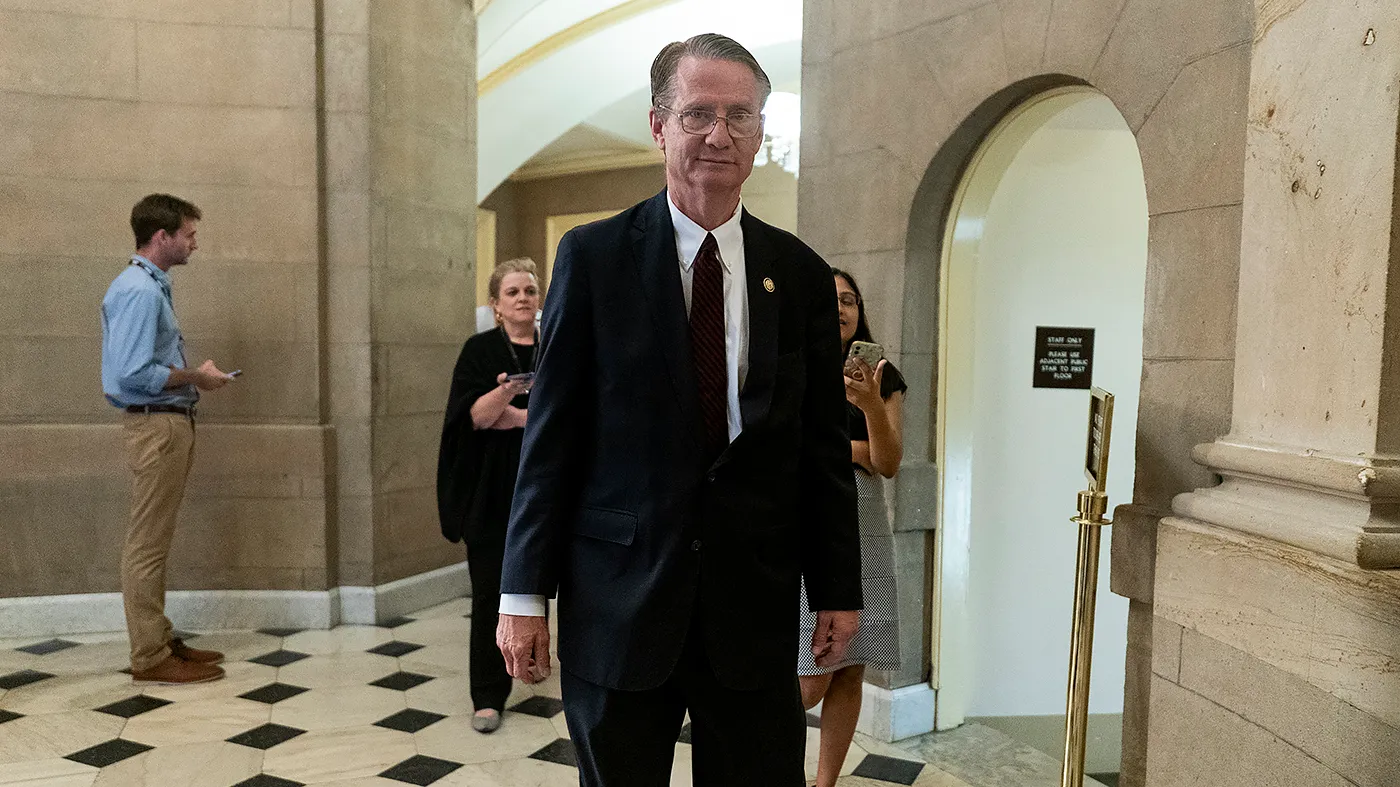
Photo: NBC News
Introduction to the Proposed Crypto Framework
In early 2026 United States lawmakers introduced a long awaited market structure bill aimed at clearly defining how cryptocurrencies and digital assets should be regulated. This development marks a significant moment for the industry as regulatory uncertainty has long been one of the biggest obstacles to sustainable growth. The proposal reflects growing recognition of crypto as a permanent part of the financial system.
Why Market Structure Matters for Crypto
Market structure determines how assets are classified traded supervised and protected under the law. For cryptocurrencies the absence of a unified framework created confusion for exchanges investors and developers. This bill attempts to address those gaps by outlining clear rules of engagement that can support innovation while ensuring accountability.
Clarifying Regulatory Authority
One of the most critical elements of the bill is its attempt to clearly divide oversight responsibilities between financial regulators. By reducing ambiguity around which agency governs specific types of digital assets the legislation aims to eliminate overlapping enforcement actions. This clarity is expected to reduce compliance friction for crypto businesses operating in the United States.
Impact on Crypto Exchanges and Platforms
Exchanges are among the most directly affected stakeholders. Under the proposed framework trading platforms may gain clearer registration pathways and compliance expectations. This could encourage more global exchanges to formally operate within the US market rather than limiting services due to regulatory risk.
Investor Protection and Market Confidence
The bill places strong emphasis on investor protection through disclosure standards custody requirements and operational transparency. These measures are designed to reduce fraud market manipulation and systemic risk. Improved protections are likely to boost confidence among retail and institutional investors alike.
Encouraging Institutional Participation
Clear rules are often a prerequisite for large scale institutional involvement. Pension funds asset managers and banks typically avoid markets with regulatory uncertainty. By defining how digital assets fit within existing financial laws the bill could unlock new streams of institutional capital into the crypto ecosystem.
Balancing Innovation and Regulation
A key challenge addressed by lawmakers is maintaining a balance between oversight and innovation. Overregulation could push startups offshore while under regulation could expose consumers to risk. The proposed framework attempts to strike a middle ground by recognizing the unique nature of blockchain based assets.
Implications for Blockchain Developers
Developers and blockchain entrepreneurs stand to benefit from legal clarity. Knowing whether a token is classified as a security or a commodity influences how projects are designed funded and launched. Clear definitions can reduce legal costs and allow teams to focus on building scalable solutions.
Global Influence of US Crypto Policy
US regulatory decisions often influence global markets. A structured and transparent framework could set a benchmark for other countries crafting their own crypto laws. This may lead to greater international alignment and smoother cross border digital asset operations.
Industry Reaction and Ongoing Debate
While many industry participants have welcomed the initiative others remain cautious. Concerns persist around specific provisions and their long term implications. Ongoing dialogue between policymakers and industry leaders will play a critical role in shaping the final outcome.
Long Term Outlook for the Crypto Market
If enacted the market structure bill could mark the beginning of a more mature phase for the cryptocurrency industry. Reduced uncertainty improved trust and stronger institutional participation may collectively support long term growth rather than speculative cycles.
Strategic Significance
The introduction of a comprehensive crypto market structure bill signals a shift from reactive enforcement to proactive governance. It reflects the industry’s evolution from fringe technology to a regulated financial sector. For crypto markets this moment represents both a challenge and an opportunity to operate within clearer and more stable rules.
Popular articles



Subscribe to unlock premium content
Imran Khan’s Economic Missteps Amid Political Chaos in Pakistan

The Philippines’ Digital Shift How Remittances and BPO Are Fueling Growth

Is the Era of Globalization Over or Just Evolving?

Imran Khan’s Economic Missteps Amid Political Chaos in Pakistan
The Philippines’ Digital Shift How Remittances and BPO Are Fueling Growth
Imran Khan’s Economic Missteps Amid Political Chaos in Pakistan