
US Congress Moves Toward Digital Dollar Ban Through 2031
By
David Goldfarb
Last updated:
June 22, 2026
First Published:
June 22, 2026


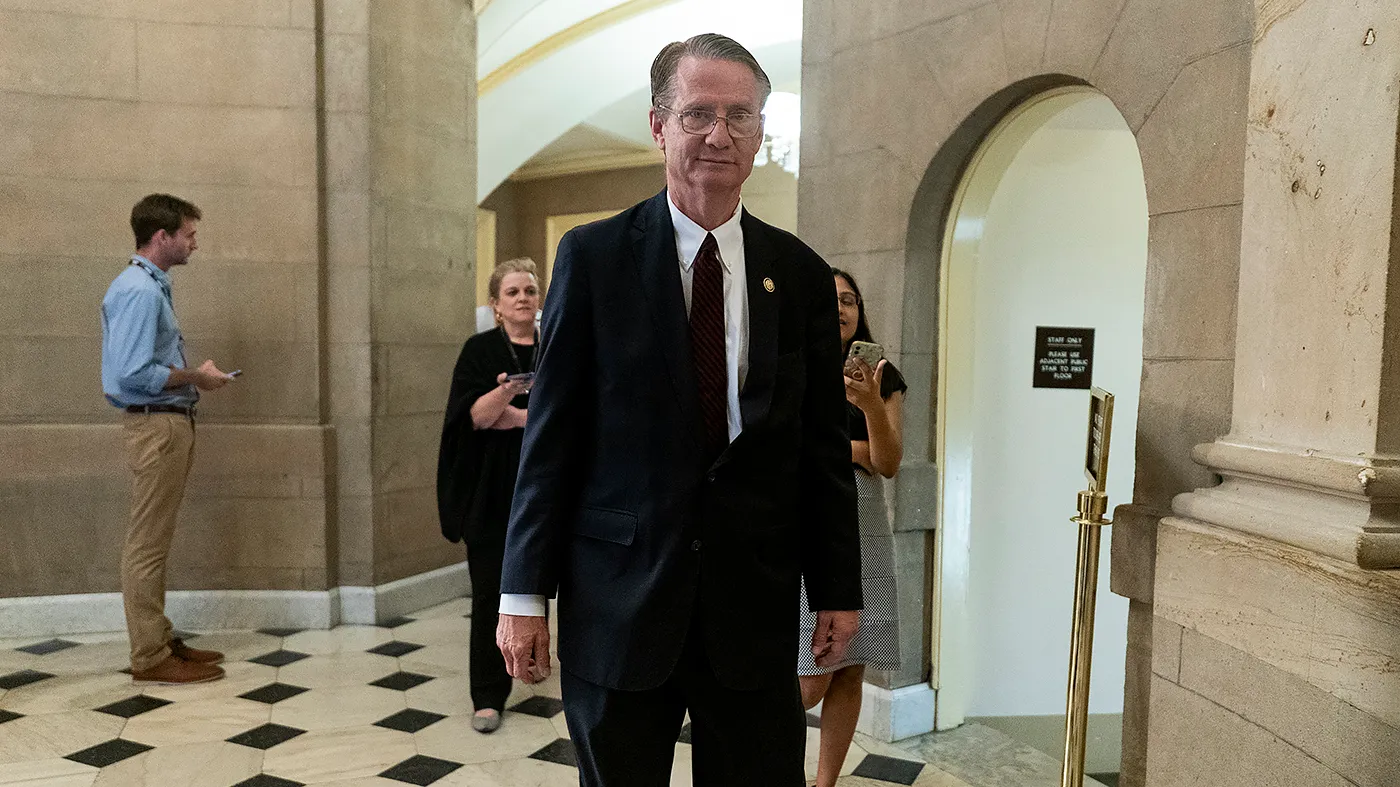
Photo: Bitcoin News
A Significant Development in the Digital Currency Debate
The conversation surrounding digital currencies in the United States has entered a new phase as lawmakers advance legislation that would prevent the Federal Reserve from issuing a central bank digital currency until at least 2031. The proposal represents one of the most consequential developments in the ongoing debate over the future of money, financial privacy, and government involvement in digital payment systems.
Supporters of the legislation argue that a government controlled digital currency could create unprecedented levels of financial surveillance and reduce consumer freedom. Opponents, however, believe the United States risks falling behind other nations that are actively exploring or implementing digital currency initiatives. Regardless of where one stands, the proposal has intensified discussions about how digital finance should evolve during the coming decade.
Understanding the Concept of a Digital Dollar
A central bank digital currency, often referred to as a CBDC, is a digital version of a nation's sovereign currency issued directly by the central bank. Unlike cryptocurrencies such as Bitcoin, which operate on decentralized networks, a CBDC would function under the authority and supervision of a central monetary institution.
The concept has attracted attention from governments around the world because digital currencies could potentially improve payment efficiency, reduce transaction costs, and expand financial inclusion. However, they also raise questions regarding privacy, control, and the role of government within everyday financial transactions.
The proposed legislation demonstrates that these concerns continue to influence policymaking in the United States.
Why Lawmakers Are Pushing for Restrictions
Advocates of the proposed ban argue that a digital dollar could fundamentally alter the relationship between citizens and financial institutions. They believe direct access to financial transaction data by government authorities could create privacy concerns that traditional cash transactions do not present.
Many lawmakers supporting the measure emphasize the importance of preserving consumer choice and protecting financial independence. They argue that citizens should retain the ability to conduct transactions without excessive monitoring or centralized oversight.
For these policymakers, preventing the launch of a CBDC until at least 2031 provides time for further analysis, public discussion, and evaluation of potential risks.
The Impact on Stablecoins
One of the most important consequences of the proposed legislation could be its effect on the stablecoin sector. Stablecoins have emerged as one of the fastest growing areas within the cryptocurrency industry, offering digital assets that maintain relatively stable values by being linked to traditional currencies.
Without a government issued digital dollar competing directly in the market, private stablecoin issuers may gain additional opportunities to expand adoption. Financial institutions, payment providers, and technology companies could increasingly view stablecoins as a practical solution for digital payments and settlements.
This possibility has generated significant interest among investors and blockchain companies that see stablecoins as a bridge between traditional finance and decentralized technology.
A Broader Battle Over Financial Innovation
The debate extends far beyond digital currencies alone. At its core, the discussion reflects broader disagreements about how innovation should be managed within the financial system.
Some policymakers believe government participation is necessary to ensure stability, consumer protection, and equitable access to financial services. Others argue that private sector competition produces better outcomes and encourages technological progress more effectively than centralized solutions.
The proposed digital dollar restrictions highlight these differing philosophies and illustrate how financial innovation has become a central policy issue.
Global Trends Continue Moving Forward
While the United States debates the future of a CBDC, many countries continue advancing their own digital currency initiatives. Central banks across various regions have conducted pilot programs, research projects, and limited deployments designed to test the viability of digital sovereign currencies.
These international developments create additional pressure on American policymakers. Some experts warn that delaying a digital dollar could reduce the country's influence in shaping global financial standards. Others maintain that careful consideration is preferable to rushing into a technology with long term implications.
The contrast between these perspectives is likely to remain a defining feature of the policy discussion for years to come.
What This Means for Financial Institutions
Banks, payment providers, and financial technology companies are closely monitoring the proposed legislation. The outcome could influence investment decisions, product development strategies, and long term planning across the financial sector.
A prolonged absence of a central bank digital currency may encourage institutions to invest more heavily in stablecoin infrastructure, blockchain payment networks, and tokenized financial services. Companies seeking to capitalize on digital finance opportunities may view the legislation as creating additional room for private innovation.
As a result, the proposal has implications that extend well beyond government policy alone.
Investor Interest Continues to Grow
Investors are paying close attention to developments because regulatory decisions often influence market sentiment and capital flows. The possibility of limiting a government backed digital currency while allowing private alternatives to grow may create new opportunities within the broader cryptocurrency ecosystem.
Stablecoin issuers, blockchain infrastructure providers, and digital payment companies could potentially benefit from a regulatory environment that favors private sector participation. This expectation has contributed to increasing interest in projects connected to digital payments and tokenized financial services.
Market participants understand that policy decisions frequently play a major role in shaping industry growth trajectories.
Challenges and Unanswered Questions
Despite the momentum behind the proposal, numerous questions remain unresolved. Future administrations, evolving technologies, and changing economic conditions could influence how policymakers approach digital currencies over the next several years.
There is also ongoing debate regarding whether private stablecoins can fully address the goals often associated with CBDCs, including financial inclusion, payment modernization, and monetary policy effectiveness.
As lawmakers continue discussing the legislation, these issues will likely remain central points of contention.
The Future of Digital Money Remains Open
The proposed restriction on a digital dollar through 2031 represents a pivotal moment in the evolution of modern finance. It reflects growing concerns about privacy, government authority, and the appropriate balance between public and private innovation.
Whether the legislation ultimately becomes law or undergoes further revisions, its significance extends beyond immediate political considerations. The proposal is helping define how the United States approaches the next generation of financial technology and digital payments.
For the cryptocurrency industry, the development could create new opportunities for stablecoins and blockchain based financial services. For policymakers, it presents an opportunity to carefully consider the future structure of money in an increasingly digital world. The decisions made during this period may influence financial systems not only for the next decade but for generations to come.
Popular articles



Subscribe to unlock premium content
Ripple and Bitso Expand Partnership as RLUSD Stablecoin Ecosystem Gains Momentum

Bybit Introduces Tokenized SpaceX IPO Shares in Landmark Real World Asset Initiative

Crypto Tax Debate Intensifies in Washington Over Mining and Staking Rewards
Ripple and Bitso Expand Partnership as RLUSD Stablecoin Ecosystem Gains Momentum
Bybit Introduces Tokenized SpaceX IPO Shares in Landmark Real World Asset Initiative
Ripple and Bitso Expand Partnership as RLUSD Stablecoin Ecosystem Gains Momentum