United States Regulators Approve Banks to Operate as Crypto Intermediaries

United States Regulators Approve Banks to Operate as Crypto Intermediaries
By
Rachel Steinberg
Last updated:
December 10, 2025
First Published:
April 25, 2026

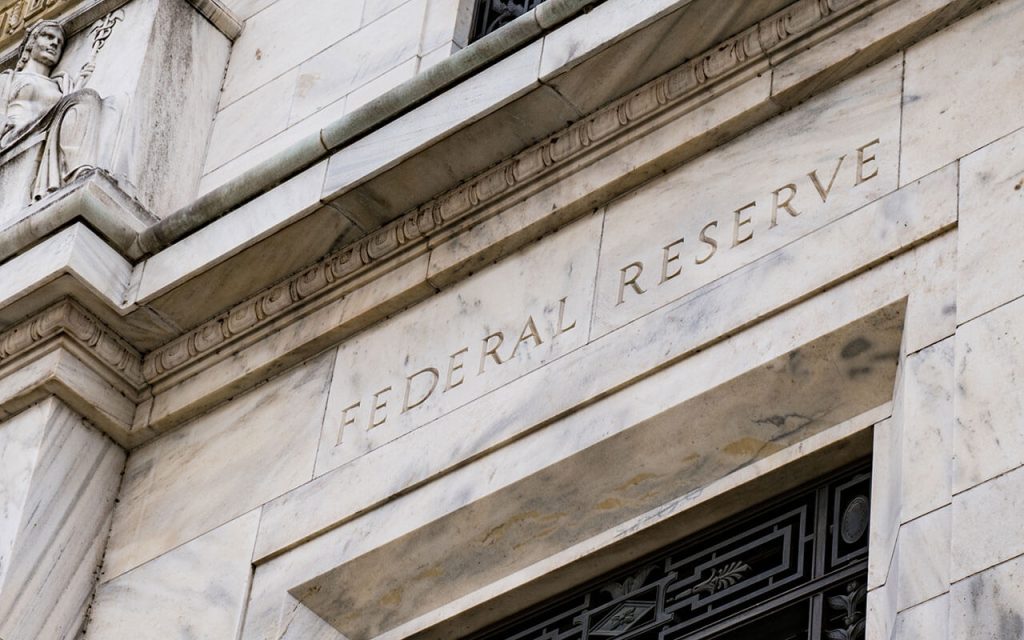
Photo: CryptoDnes.bg
A Defining Moment for the Financial Sector
The decision by United States regulators to permit banks to function as intermediaries for digital assets marks one of the most consequential developments in the evolution of the crypto industry. This shift carries implications that reach far beyond compliance, signaling the start of a new era in which traditional financial institutions and blockchain based systems operate in closer alignment.
A Framework Built on Clarity and Accountability
For years, banks have expressed hesitation about entering the crypto value chain due to uncertainties regarding custody rules, compliance structures and operational responsibilities. The new regulatory guidance removes these uncertainties by establishing a transparent framework that allows banks to provide custody, settlement and transactional facilitation for digital assets.
The Bridging of Two Financial Worlds
By enabling banks to serve as intermediaries, regulators are effectively connecting conventional banking infrastructure with blockchain based ecosystems. This integration allows consumers and businesses to move seamlessly between traditional money services and crypto native transactions. It creates a bridge that can significantly accelerate adoption across the economy.
A Boost for Institutional Confidence
Institutional investors have long sought the security and oversight that established banks can provide. With banks now authorized to support crypto services, institutional capital is more likely to enter the digital asset market through familiar and regulated channels. This change increases trust and encourages measured growth rather than speculative surges.
Enhanced Security and Stronger Risk Management
Banks bring advanced security protocols, sophisticated compliance systems and well established risk frameworks that have been refined over decades. Their entry into the crypto market introduces a higher standard of operational discipline. This can reduce vulnerabilities and improve market resilience during periods of volatility.
Expansion of Custodial and Settlement Services
One of the most immediate effects of this regulatory green light is the expansion of bank operated custodial solutions. Banks can now secure digital assets with institution grade infrastructure and offer settlement services that synchronize blockchain transactions with traditional financial ledgers. This creates a more efficient and unified environment for asset management.
Increased Competition for Existing Crypto Platforms
The involvement of banks introduces a new level of competition for exchanges and custodial firms that previously dominated the market. Financial institutions have the advantage of brand recognition, regulatory credibility and large customer bases. Their entry will encourage innovation as existing platforms work to differentiate their services.
A New Path for Corporate Adoption
Businesses that previously avoided digital assets due to compliance concerns may reconsider as regulated banks package crypto services into familiar banking products. Treasury teams, payment departments and multinational corporations can benefit from streamlined access to blockchain based financial tools without navigating the complexities of the crypto market directly.
Potential for Wider Payment System Integration
With banks acting as intermediaries, the possibility of integrating crypto rails into everyday payment systems becomes more realistic. Consumers may soon experience faster cross border transfers, improved remittance services and new forms of merchant settlement powered by blockchain technology. The regulatory clarity ensures that these services can operate under well defined guidelines.
A Sign of the Growing Legitimacy of Digital Assets
The regulatory decision reflects an acknowledgment that digital assets have matured into a significant component of the global financial environment. It represents a shift from caution to structured acceptance. As banks embrace their new role, the relationship between traditional finance and the crypto economy will continue to strengthen.

Popular articles



Subscribe to unlock premium content
Imran Khan’s Economic Missteps Amid Political Chaos in Pakistan

The Philippines’ Digital Shift How Remittances and BPO Are Fueling Growth

Is the Era of Globalization Over or Just Evolving?
Imran Khan’s Economic Missteps Amid Political Chaos in Pakistan
The Philippines’ Digital Shift How Remittances and BPO Are Fueling Growth
Imran Khan’s Economic Missteps Amid Political Chaos in Pakistan