United States Crypto Enforcement Action Freezes Three Hundred Forty Four Million Dollars in Digital Assets Connected to Iran

United States Crypto Enforcement Action Freezes Three Hundred Forty Four Million Dollars in Digital Assets Connected to Iran
By
Alina Sinclair
Last updated:
April 26, 2026
First Published:
April 26, 2026


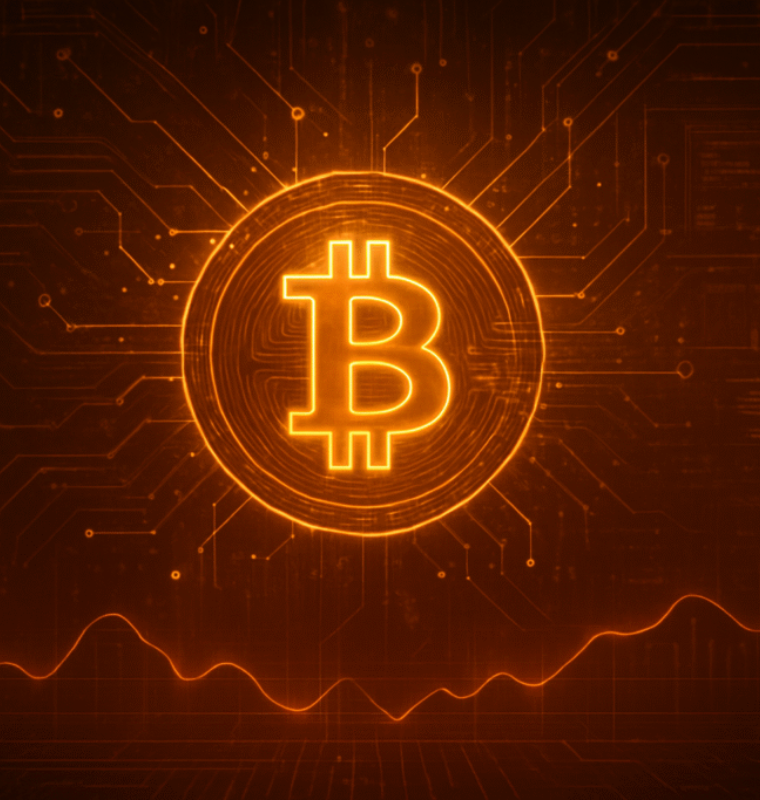
The United States has carried out a significant enforcement action in the cryptocurrency sector, freezing approximately three hundred forty four million dollars in digital assets believed to be connected to Iran. The move reflects an expanding effort by authorities to monitor and control the flow of funds across blockchain networks during periods of heightened geopolitical tension.
According to officials involved in financial monitoring operations, the frozen assets were identified through a combination of blockchain analysis tools and intelligence sharing between international agencies. These systems allow investigators to trace the movement of crypto funds across wallets and exchanges even when users attempt to obscure ownership patterns.
The action has drawn global attention because it demonstrates how digital assets are now deeply integrated into international security strategies. Governments are increasingly using blockchain tracing capabilities to track funds that may be associated with sanctioned entities or restricted financial networks.
Industry analysts suggest that this development signals a new phase in regulatory enforcement where cryptocurrency is no longer viewed as outside traditional financial oversight. Instead, it is becoming a central focus for compliance monitoring and cross border financial regulation.
The seizure has also raised questions within the crypto community about transparency and control. Some observers argue that while enforcement actions strengthen global security, they also highlight the centralized points of control that exist within an otherwise decentralized ecosystem, particularly through regulated exchanges.
Market participants reacted cautiously to the news, although broader crypto market stability remained largely intact. Bitcoin and major digital assets continued to trade within recent ranges, suggesting that investors are becoming more accustomed to regulatory interventions of this scale.
Security experts emphasize that blockchain transparency is both a strength and a vulnerability. While it enables faster detection of suspicious activity, it also means that large movements of funds can be tracked more easily than in traditional financial systems.
The involvement of suspected Iran related funds adds another layer of complexity, as digital currencies continue to play a role in regions affected by sanctions and restricted banking access. This creates ongoing challenges for regulators trying to balance enforcement with global financial inclusion.
Crypto exchanges are expected to face increased compliance pressure following this development. Many platforms may further strengthen their monitoring systems to ensure that transactions flagged by international watchdogs are quickly identified and reviewed.
The event also underscores the growing collaboration between governments and blockchain analytics firms. These partnerships are becoming essential in identifying patterns of illicit finance activity and ensuring that enforcement actions are supported by verifiable on chain data.
Overall, this seizure represents a pivotal moment in the evolution of cryptocurrency oversight. It highlights how digital assets are now firmly embedded in global financial systems and subject to the same geopolitical forces that shape traditional markets.
Popular articles



Subscribe to unlock premium content
Imran Khan’s Economic Missteps Amid Political Chaos in Pakistan
The Philippines’ Digital Shift How Remittances and BPO Are Fueling Growth

Is the Era of Globalization Over or Just Evolving?
Imran Khan’s Economic Missteps Amid Political Chaos in Pakistan
The Philippines’ Digital Shift How Remittances and BPO Are Fueling Growth
Imran Khan’s Economic Missteps Amid Political Chaos in Pakistan