UK Ministers Face Pressure To Impose Temporary Ban On Crypto Political Donations

UK Ministers Face Pressure To Impose Temporary Ban On Crypto Political Donations
By
David Goldfarb
Last updated:
February 25, 2026
First Published:
April 25, 2026

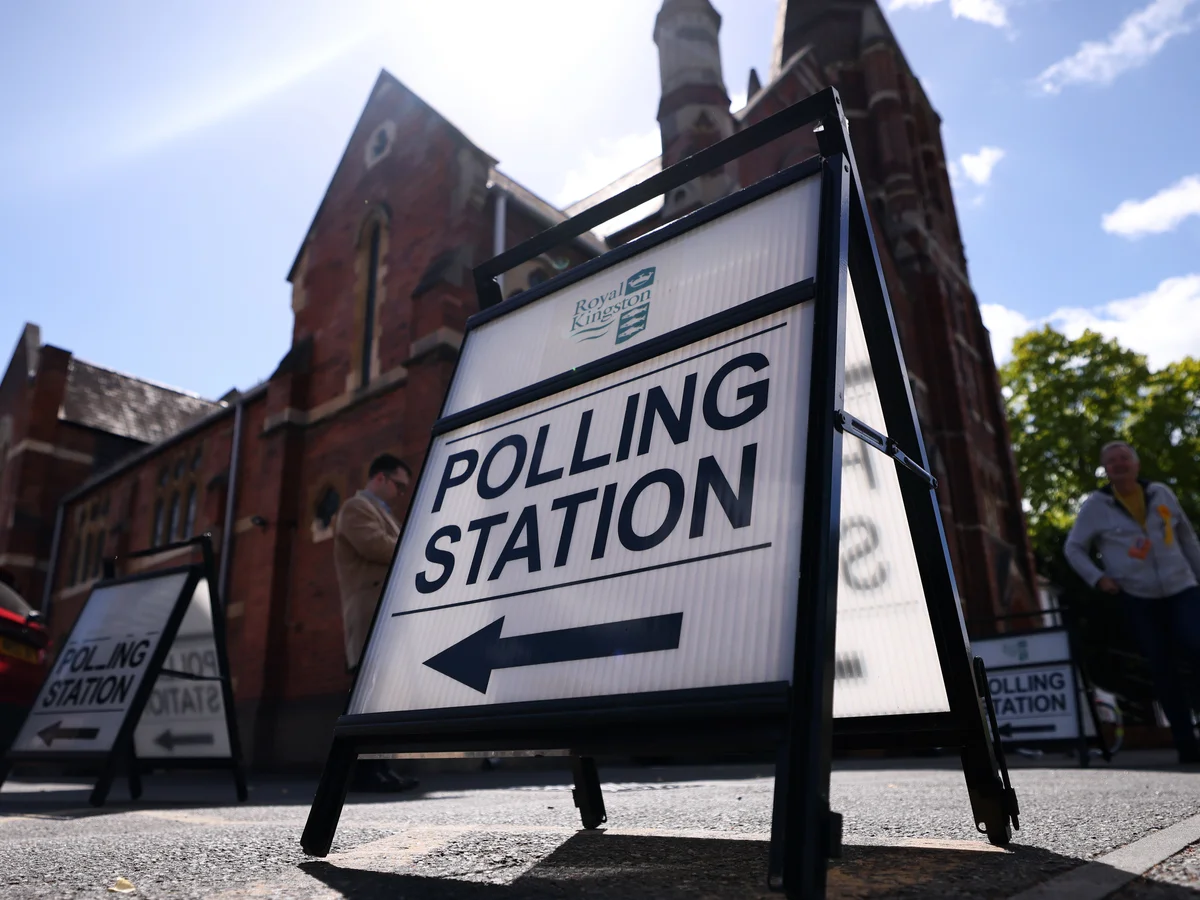
Photo: The Guardian
Government Officials Urged To Act
Amid growing concerns about the use of cryptocurrency in political campaigns, UK policymakers are facing calls to impose a temporary restriction on digital asset donations. Advocacy groups and political analysts argue that the pseudonymous nature of crypto transactions could allow foreign entities to circumvent traditional campaign finance laws. The urgency comes ahead of upcoming electoral cycles where transparency and accountability are under heightened scrutiny.
Crypto Donations Pose Unique Challenges
Unlike conventional contributions that are tightly monitored, cryptocurrency donations can cross borders almost instantly and with minimal disclosure. While blockchain technology provides a transparent ledger, tracing ownership and identifying contributors often requires advanced forensic analysis. Regulators are concerned that existing frameworks may not be sufficient to ensure compliance with election finance rules.
Balancing Innovation With Accountability
Proponents of digital finance highlight that cryptocurrencies enable new forms of political engagement and democratized funding. However, critics contend that without robust verification mechanisms, the benefits of efficiency and accessibility are outweighed by risks to electoral integrity. The debate underscores the tension between embracing technological innovation and enforcing regulatory safeguards.
Potential Regulatory Measures Under Consideration
Policy options include temporary moratoriums on crypto donations, enhanced reporting requirements, and mandatory identity verification for contributors. Authorities are evaluating the effectiveness of each approach and weighing potential implications for political campaigns. The goal is to prevent misuse while allowing legitimate participation by domestic donors.
International Precedents Inform Local Debate
Lawmakers are looking at approaches taken in other jurisdictions where cryptocurrency contributions are either restricted or heavily regulated. Lessons from these cases highlight both the challenges of enforcement and the potential for technological solutions to support compliance. International dialogue is helping shape the contours of the UK response.
Market Reaction To Regulatory Discussions
The conversation around restricting crypto political contributions has triggered discussion within the broader crypto community. Investors and advocacy groups are closely monitoring policy developments, understanding that government attitudes toward digital assets can influence public perception and regulatory trajectory. While this is a political issue, it intersects with the wider ecosystem of crypto adoption and legitimacy.
Ensuring Transparency And Election Security
One of the central objectives driving these measures is to enhance transparency and safeguard electoral processes. By limiting anonymous or cross border contributions, authorities aim to maintain public confidence in democratic institutions. Regulatory clarity could also benefit the crypto industry by establishing clear legal parameters for legitimate political engagement.
Stakeholder Perspectives Vary Widely
Political parties, advocacy groups, and crypto platforms hold differing views on how best to manage donations. Some advocate for outright bans until compliance frameworks mature, while others propose technology driven solutions that allow continued participation with robust verification. This diversity of perspectives highlights the complexity of policy making in a rapidly evolving digital environment.
Implications For The Crypto Industry
A temporary ban or stricter oversight could influence market sentiment and shape public perception of digital assets. Platforms facilitating crypto transactions may face increased compliance requirements. Conversely, clear regulation may ultimately strengthen confidence in the ecosystem by demonstrating that cryptocurrency can coexist with governance and accountability standards.
Looking Ahead
As regulators weigh potential interventions, stakeholders are anticipating detailed guidance on enforcement mechanisms and compliance obligations. The evolution of this policy will be closely watched both domestically and internationally, as the UK navigates the intersection of digital finance innovation and electoral integrity.

Popular articles



Subscribe to unlock premium content
Imran Khan’s Economic Missteps Amid Political Chaos in Pakistan

The Philippines’ Digital Shift How Remittances and BPO Are Fueling Growth

Is the Era of Globalization Over or Just Evolving?

Imran Khan’s Economic Missteps Amid Political Chaos in Pakistan
The Philippines’ Digital Shift How Remittances and BPO Are Fueling Growth
Imran Khan’s Economic Missteps Amid Political Chaos in Pakistan