Twenty One Capital Makes Its New York Stock Exchange Debut as Corporate Bitcoin Demand Accelerates

Twenty One Capital Makes Its New York Stock Exchange Debut as Corporate Bitcoin Demand Accelerates
By
Augusta Parker
Last updated:
December 10, 2025
First Published:
April 25, 2026

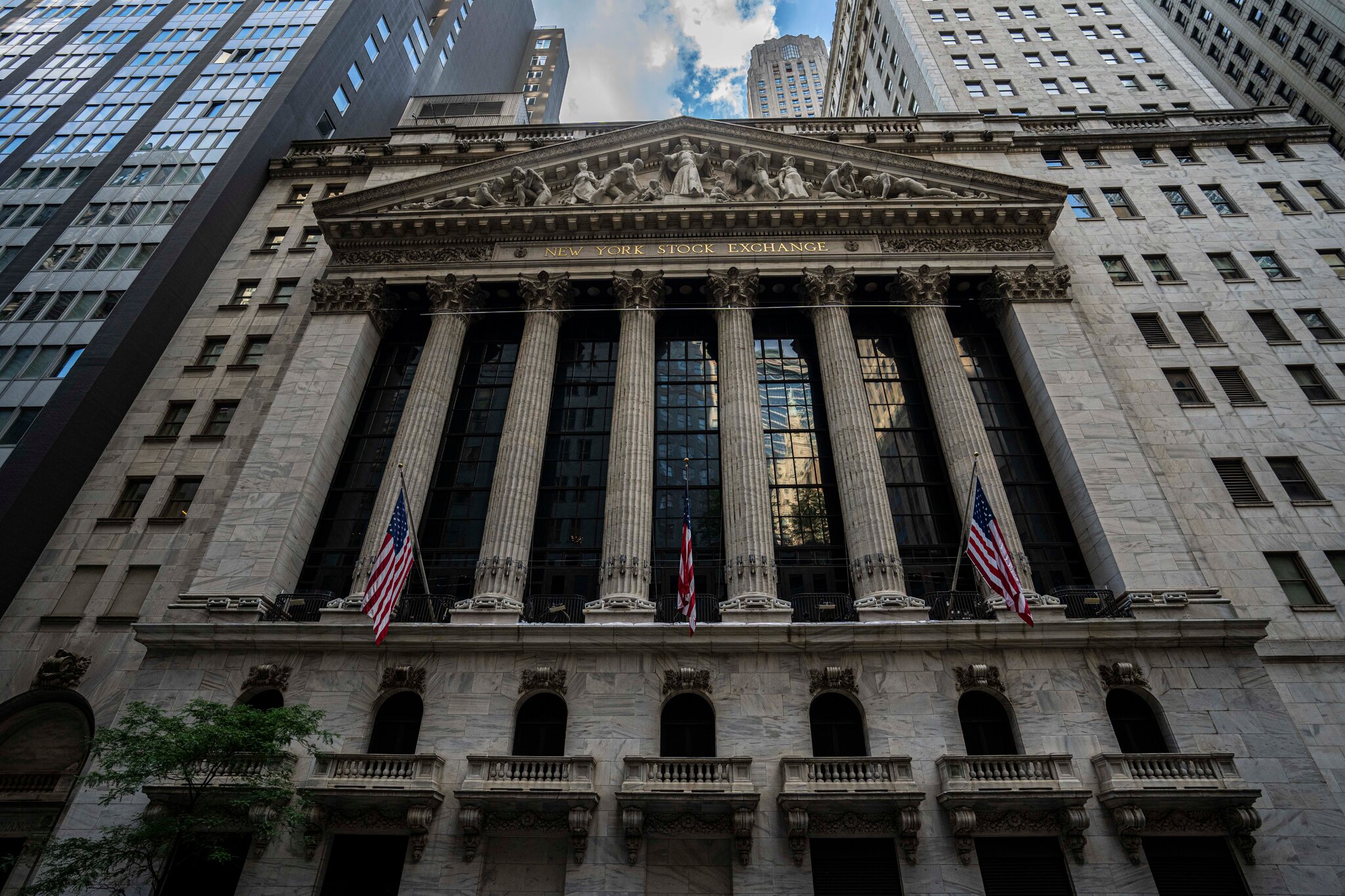
Photo: The New York Times
A Significant Entry Into Public Markets
The debut of Twenty One Capital on the New York Stock Exchange marked a notable milestone for the digital asset sector. As a firm dedicated to corporate Bitcoin treasury management, its arrival captured the attention of global investors who have been searching for clearer pathways into institutional scale digital asset exposure. The listing also signaled growing confidence in the long term viability of Bitcoin as a treasury reserve instrument.
A Fresh Approach to Corporate Treasury Strategy
Twenty One Capital introduced a model that integrates digital reserves directly into corporate balance sheet strategy. Rather than positioning Bitcoin as a speculative asset, the firm promotes its use as a hedging mechanism for currency risk. This approach has resonated with modern enterprises that face increasing volatility in traditional financial markets and want access to alternative reserves that operate independently of national monetary cycles.
Investor Enthusiasm Following Day One Trading
The firm’s first day of trading drew substantial attention as volume surged throughout the session. Investors viewed the listing as a sign that Bitcoin related companies continue to evolve beyond mining operations and trading platforms. Instead they now include strategically structured financial entities that aim to bring a new level of discipline and governance to digital asset management.
Strengthening Demand for Corporate Bitcoin Allocations
The presence of a publicly traded treasury focused firm reinforced the rising trend of companies allocating Bitcoin as part of their long term financial planning. The market has observed a noticeable shift in boardroom discussions as corporations explore whether a noncorrelated digital reserve can enhance resilience against inflation pressures and macroeconomic uncertainty.
Potential Influence on Traditional Financial Institutions
The NYSE debut also sent a clear signal to banks, asset managers, and advisory firms. It indicated that the demand for structured Bitcoin management solutions is expanding faster than previously anticipated. Financial institutions may feel increasing pressure to develop their own digital asset offerings or risk losing relevance as companies choose specialized partners with deeper technical expertise.
How Twenty One Capital Plans to Drive Adoption
The firm’s growth strategy centers on education, risk modeling, and transparent reporting frameworks. By establishing standardized methodologies for digital reserve management, Twenty One Capital aims to provide clarity for organizations that have been hesitant to move forward due to regulatory uncertainty or lack of internal technical knowledge. This operational emphasis is expected to accelerate corporate comfort with Bitcoin treasury strategies.
Impact on Broader Market Sentiment
The listing contributed to renewed optimism across the crypto market. Traders interpreted the event as evidence that the institutional adoption cycle remains intact despite recent market volatility. The fact that a Bitcoin focused firm can meet regulatory requirements and list on a major exchange strengthens the narrative that digital assets are becoming firmly embedded within mainstream financial infrastructures.
Corporate Case Studies Begin to Emerge
Shortly after the debut, several mid sized companies publicly expressed interest in exploring the firm’s treasury services. These organizations highlighted challenges associated with holding excess cash reserves in inflationary environments. They indicated that Bitcoin offers an additional store of value that complements traditional instruments without replacing them entirely. Such early case studies may help establish credibility and accelerate adoption.
Challenges Reshaping the Path Ahead
Despite the strong start, Twenty One Capital faces ongoing challenges including regulatory evolution, market volatility, and the need for worldwide custody partnerships. These hurdles will require continual adaptation and innovation. However the firm’s leadership has emphasized its commitment to building a long term strategic framework rather than chasing short term gains.
A Transformative Step for Institutional Bitcoin Integration
The debut of Twenty One Capital on the New York Stock Exchange represents more than the arrival of a new company. It marks a turning point in how corporations integrate digital assets into their financial architecture. As the firm expands its influence, it is poised to shape how future enterprises view Bitcoin as part of a diversified and resilient treasury model. The next year will reveal how deeply this transformation resonates across global markets.

Popular articles



Subscribe to unlock premium content
Imran Khan’s Economic Missteps Amid Political Chaos in Pakistan

The Philippines’ Digital Shift How Remittances and BPO Are Fueling Growth

Is the Era of Globalization Over or Just Evolving?

Imran Khan’s Economic Missteps Amid Political Chaos in Pakistan
The Philippines’ Digital Shift How Remittances and BPO Are Fueling Growth
Imran Khan’s Economic Missteps Amid Political Chaos in Pakistan