Trump Family’s World Liberty Ventures Moves to Secure U.S. Banking License for Crypto Operations

Trump Family’s World Liberty Ventures Moves to Secure U.S. Banking License for Crypto Operations
By
Leah Rosenfeld
Last updated:
January 8, 2026
First Published:
April 25, 2026

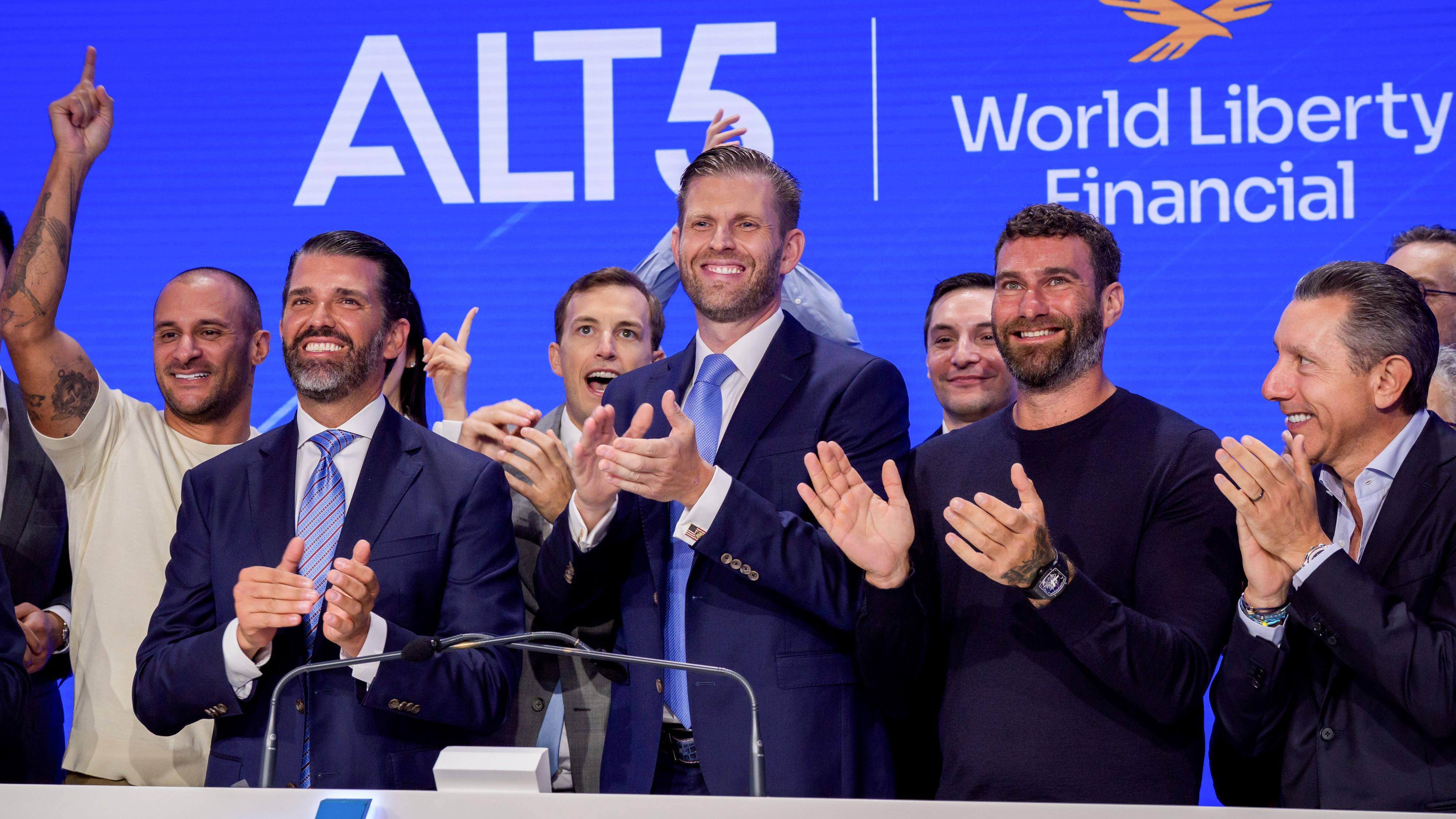
Photo: BBC
A Bold Move in the Crypto Banking Space
The World Liberty financial venture affiliated with the Trump family has submitted an application for a national banking license in the United States. This development has immediately caught the attention of both the cryptocurrency community and regulatory observers. The proposed move signals an effort to operate within a formal banking structure while pursuing digital asset and stablecoin initiatives.
Understanding World Liberty’s Crypto Ambitions
World Liberty has indicated that the banking license is a critical step for offering digital asset services at scale. The venture is reportedly exploring stablecoin issuance, crypto custody, and payment solutions that bridge traditional finance with blockchain technologies. Achieving a banking charter would provide the venture with access to federal protections, liquidity mechanisms, and greater legitimacy in mainstream financial markets.
Implications for Regulatory Oversight
A national banking license subjects the entity to supervision by federal banking regulators, including compliance requirements that are stricter than state level oversight. For crypto operations, this can include capital adequacy standards, operational risk assessments, and detailed reporting obligations. The move is expected to attract close attention from regulators who are monitoring the broader trend of crypto firms seeking traditional banking infrastructure.
Stablecoins as a Central Focus
Central to World Liberty’s strategy appears to be stablecoin issuance. Stablecoins have grown in prominence as a bridge between fiat currencies and blockchain ecosystems. Operating under a bank charter could allow the venture to integrate stablecoin transactions into conventional banking systems, potentially enabling faster settlements, lower costs, and broader adoption among mainstream consumers and businesses.
Market and Investor Reactions
The news has sparked mixed reactions in financial and crypto circles. Supporters see it as a step toward mainstream legitimacy for digital assets and a model for other firms seeking regulatory alignment. Critics question whether political affiliations and market perception could complicate regulatory approval and adoption. Market analysts are closely watching potential implications for investor sentiment and competitive positioning.
Bringing Traditional Banking Practices to Crypto
The banking license application reflects a broader industry trend of merging traditional banking practices with emerging blockchain technologies. Firms that can successfully navigate regulatory frameworks may gain advantages in compliance, risk management, and consumer trust. World Liberty’s approach demonstrates how strategic licensing can serve both operational and reputational purposes.
Political and Strategic Dimensions
The venture’s ties to a high profile political family add layers of strategic and public interest scrutiny. Approval or rejection could have implications beyond the financial sector, touching on regulatory independence and public perception of political influence in business ventures. Observers are monitoring both the regulatory process and public discourse closely.
Potential Challenges Ahead
Obtaining a national banking charter is a complex process involving multiple federal agencies, legal review, and ongoing compliance commitments. In addition, the firm must demonstrate robust governance, financial stability, and risk management capabilities. Any shortcomings could delay or prevent approval, underscoring the high stakes involved.
Broader Implications for Crypto Banking
World Liberty’s attempt highlights how traditional regulatory structures are adapting to new forms of finance. As crypto firms seek legitimacy and access to federal systems, the process provides insight into how banks and digital asset services might coexist. Successful integration could pave the way for similar ventures and reshape public understanding of blockchain finance.
Future Outlook for World Liberty
If the application is approved, World Liberty could become a pioneering example of how politically affiliated ventures navigate federal oversight in crypto markets. The outcome will influence investor confidence, market adoption of stablecoins, and the regulatory landscape for other digital asset companies. It represents a critical test of how traditional banking regulations intersect with innovative financial technologies.

Popular articles



Subscribe to unlock premium content
Imran Khan’s Economic Missteps Amid Political Chaos in Pakistan

The Philippines’ Digital Shift How Remittances and BPO Are Fueling Growth

Is the Era of Globalization Over or Just Evolving?

Imran Khan’s Economic Missteps Amid Political Chaos in Pakistan
The Philippines’ Digital Shift How Remittances and BPO Are Fueling Growth
Imran Khan’s Economic Missteps Amid Political Chaos in Pakistan