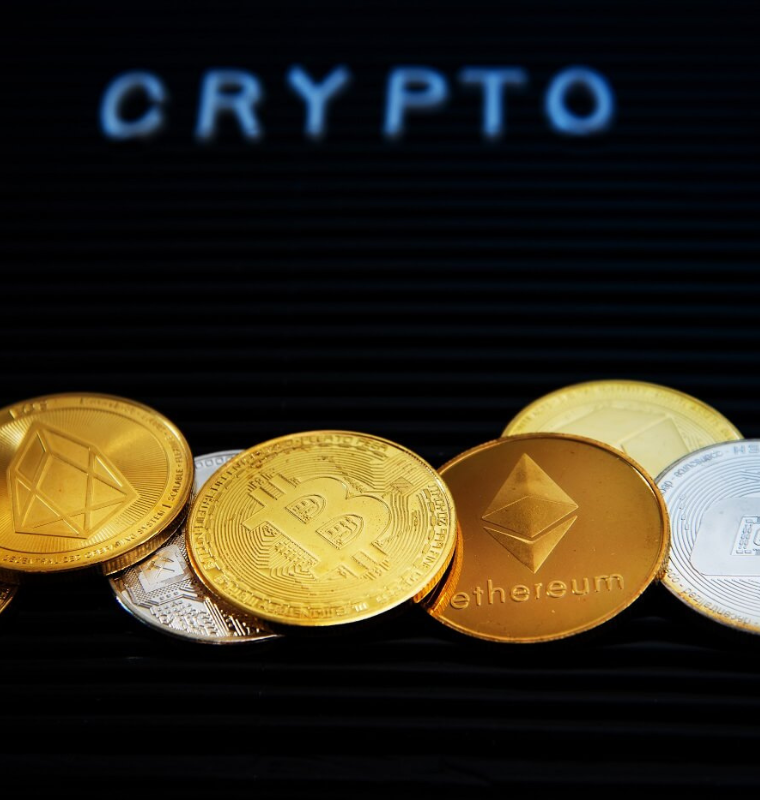
Tokenized Equities Gain Momentum as Blockchain Based Stock Trading Expands Worldwide

Tokenized Equities Gain Momentum as Blockchain Based Stock Trading Expands Worldwide
By
Rachel Steinberg
Last updated:
June 8, 2026
First Published:
June 8, 2026

The global financial industry is witnessing a significant transformation as tokenized equities gain increasing attention from investors, exchanges, financial institutions, and technology companies. What was once considered an experimental concept is steadily evolving into a serious market opportunity that could reshape how stocks are issued, traded, settled, and owned in the digital age.
Tokenized equities represent traditional company shares that are converted into digital tokens and recorded on blockchain networks. These tokens are designed to reflect ownership in underlying assets while benefiting from the efficiency, transparency, and accessibility offered by blockchain technology. As exchanges and financial service providers continue investing in tokenized trading systems, many industry experts believe the concept could become one of the most important developments in modern capital markets.
The growing interest surrounding tokenized equities reflects a broader effort to bridge traditional finance and blockchain innovation. Rather than replacing existing financial systems, many organizations are exploring ways to enhance them through digital infrastructure capable of improving efficiency and expanding market access.
Understanding What Tokenized Equities Are
At their core, tokenized equities are digital representations of traditional company shares. Ownership rights associated with a stock are linked to blockchain based tokens that can be transferred, tracked, and managed through distributed ledger technology.
The objective is not to create a new type of stock but to modernize the infrastructure supporting stock ownership and trading. Blockchain technology enables transactions to be recorded in a transparent and secure manner while reducing reliance on certain intermediaries involved in traditional market operations.
For investors, tokenized equities offer a familiar asset class delivered through a more technologically advanced framework.
As financial institutions continue exploring this model, interest in blockchain based securities continues to grow across multiple regions.
Why Financial Institutions Are Exploring Tokenization
Traditional stock markets have functioned effectively for decades, yet they still rely on systems that can involve multiple intermediaries, administrative processes, and settlement delays.
Tokenization presents an opportunity to streamline these operations. Blockchain based systems can potentially improve transaction efficiency, reduce operational complexity, and enhance transparency throughout the investment lifecycle.
Financial institutions view these improvements as valuable because they may reduce costs while improving the overall experience for investors.
At a time when digital transformation remains a priority throughout the financial sector, tokenized equities have emerged as a natural extension of broader modernization efforts.
Faster Settlement Becomes a Major Advantage
One of the most frequently discussed benefits of tokenized equities is the potential for faster settlement. In traditional financial markets, stock transactions often require time to move through various clearing and settlement processes.
Blockchain technology offers the possibility of significantly shortening these timelines. Transactions can be recorded and verified more efficiently, reducing delays between trade execution and final settlement.
Faster settlement creates advantages for investors, brokers, institutions, and market operators. Capital can move more efficiently, operational risks may be reduced, and overall market functionality can improve.
As a result, settlement efficiency has become one of the strongest arguments supporting the continued development of tokenized financial assets.
Expanding Global Market Access
Tokenization also has the potential to make investment opportunities more accessible to a broader audience. Traditional stock ownership can sometimes involve geographic restrictions, limited trading hours, and access barriers that vary across jurisdictions.
Blockchain based systems may help reduce some of these limitations by enabling more flexible participation in global financial markets.
Investors located in different regions could potentially gain exposure to assets through digital platforms designed to operate across international boundaries.
While regulatory requirements remain important, the prospect of expanding access continues attracting interest from both investors and financial service providers.
Exchanges Embrace Digital Transformation
Stock exchanges and trading platforms are increasingly evaluating blockchain technology as part of their long term growth strategies. Many recognize that investor expectations are changing as digital technologies reshape financial services.
Tokenized equities offer exchanges an opportunity to remain competitive while introducing innovative products that appeal to modern investors.
Several organizations are exploring ways to integrate blockchain infrastructure into existing trading environments without disrupting core market functions.
This gradual approach allows institutions to experiment with new technologies while maintaining the reliability and trust that investors expect from established financial markets.
The Connection Between Tokenization and Digital Assets
The rise of tokenized equities represents a broader convergence between traditional finance and the digital asset industry. For years, cryptocurrencies and stock markets developed largely along separate paths.
Today, those paths are beginning to intersect.
Blockchain technology is no longer viewed solely as a foundation for cryptocurrencies. Instead, it is increasingly recognized as a versatile tool capable of supporting a wide range of financial applications.
Tokenized equities illustrate how blockchain innovation can extend beyond digital currencies and influence conventional investment products.
This convergence may ultimately lead to a more integrated financial ecosystem where traditional and digital assets coexist seamlessly.
Institutional Investors Are Paying Attention
Institutional interest plays a crucial role in determining the future success of tokenized equities. Large asset managers, investment firms, banks, and financial institutions possess the resources necessary to accelerate adoption on a meaningful scale.
Many of these organizations are actively studying tokenization because of its potential to improve operational efficiency and create new revenue opportunities.
Institutional participation also contributes credibility to emerging financial technologies. When established market participants embrace innovation, broader adoption often follows.
As more institutions explore blockchain based securities, tokenized equities are becoming increasingly difficult for the financial industry to ignore.
Regulatory Frameworks Will Shape Growth
Despite the excitement surrounding tokenization, regulatory considerations remain central to the sector's development. Securities markets operate within complex legal frameworks designed to protect investors and maintain market integrity.
Tokenized equities must comply with these requirements while introducing new technological capabilities.
Regulators around the world are actively evaluating how blockchain based securities should be governed. Clear regulatory guidance will play a critical role in determining the speed and scale of future adoption.
Industry participants generally recognize that sustainable growth depends on balancing innovation with appropriate oversight.
The organizations that successfully navigate this environment may emerge as leaders within the next generation of financial markets.
Challenges Still Exist
Although tokenized equities offer significant potential, several challenges must be addressed before widespread adoption becomes a reality. Technical scalability, regulatory consistency, investor education, and interoperability between systems remain important considerations.
Financial institutions must also ensure that blockchain based platforms meet the security and reliability standards expected within global capital markets.
Additionally, market participants will need confidence that tokenized assets provide legal protections equivalent to those associated with traditional securities ownership.
Overcoming these challenges will require collaboration between regulators, technology providers, exchanges, and financial institutions.
The progress achieved in these areas will heavily influence the future trajectory of tokenized markets.
A Glimpse Into the Future of Investing
The growing momentum behind tokenized equities provides insight into how financial markets may evolve over the coming decade. As digital technologies continue transforming industries worldwide, investment infrastructure is also undergoing significant change.
Future markets could become more efficient, accessible, transparent, and interconnected through blockchain based systems. Investors may eventually gain access to a wider range of opportunities through platforms capable of operating with greater flexibility than traditional frameworks.
While the transition will likely occur gradually, the direction of innovation appears increasingly clear.
Tokenization is moving from concept to implementation, and its influence on financial markets continues expanding.
Tokenized Equities Could Redefine Modern Capital Markets
The rise of tokenized equities represents more than a technological innovation. It reflects a broader shift in how financial assets may be managed, traded, and accessed in the digital era.
By combining traditional stock ownership with blockchain infrastructure, tokenized equities offer a compelling vision for the future of investing. Faster settlement, expanded accessibility, greater transparency, and enhanced operational efficiency are among the benefits driving industry interest.
Although regulatory and technical challenges remain, momentum continues building across exchanges, financial institutions, and investment communities. As adoption grows, tokenized equities could become one of the defining developments shaping the next generation of global capital markets.
For investors and industry participants alike, the evolution of tokenized securities is a trend that deserves close attention as the future of finance continues to unfold.

Popular articles



Subscribe to unlock premium content
Imran Khan’s Economic Missteps Amid Political Chaos in Pakistan

The Philippines’ Digital Shift How Remittances and BPO Are Fueling Growth

Is the Era of Globalization Over or Just Evolving?
Imran Khan’s Economic Missteps Amid Political Chaos in Pakistan
The Philippines’ Digital Shift How Remittances and BPO Are Fueling Growth
Imran Khan’s Economic Missteps Amid Political Chaos in Pakistan